
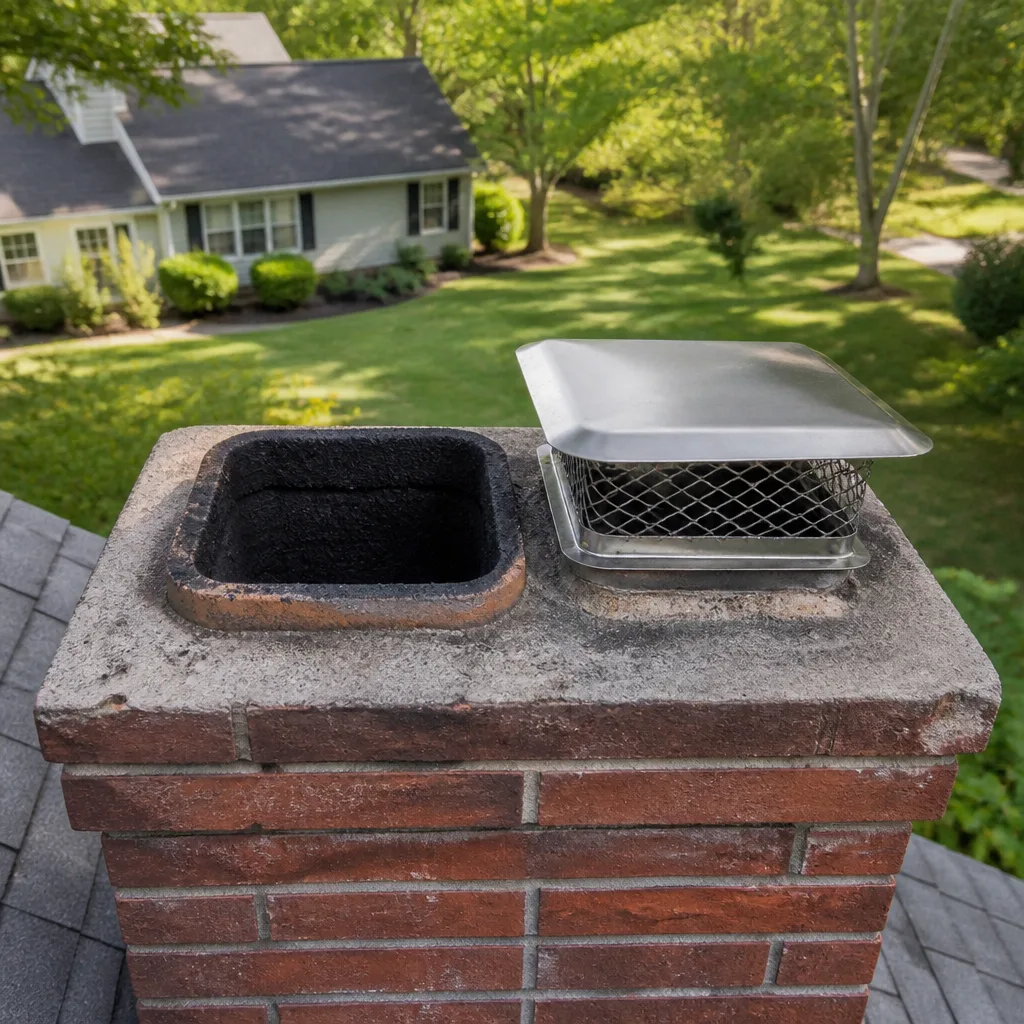
 Sweep & inspection
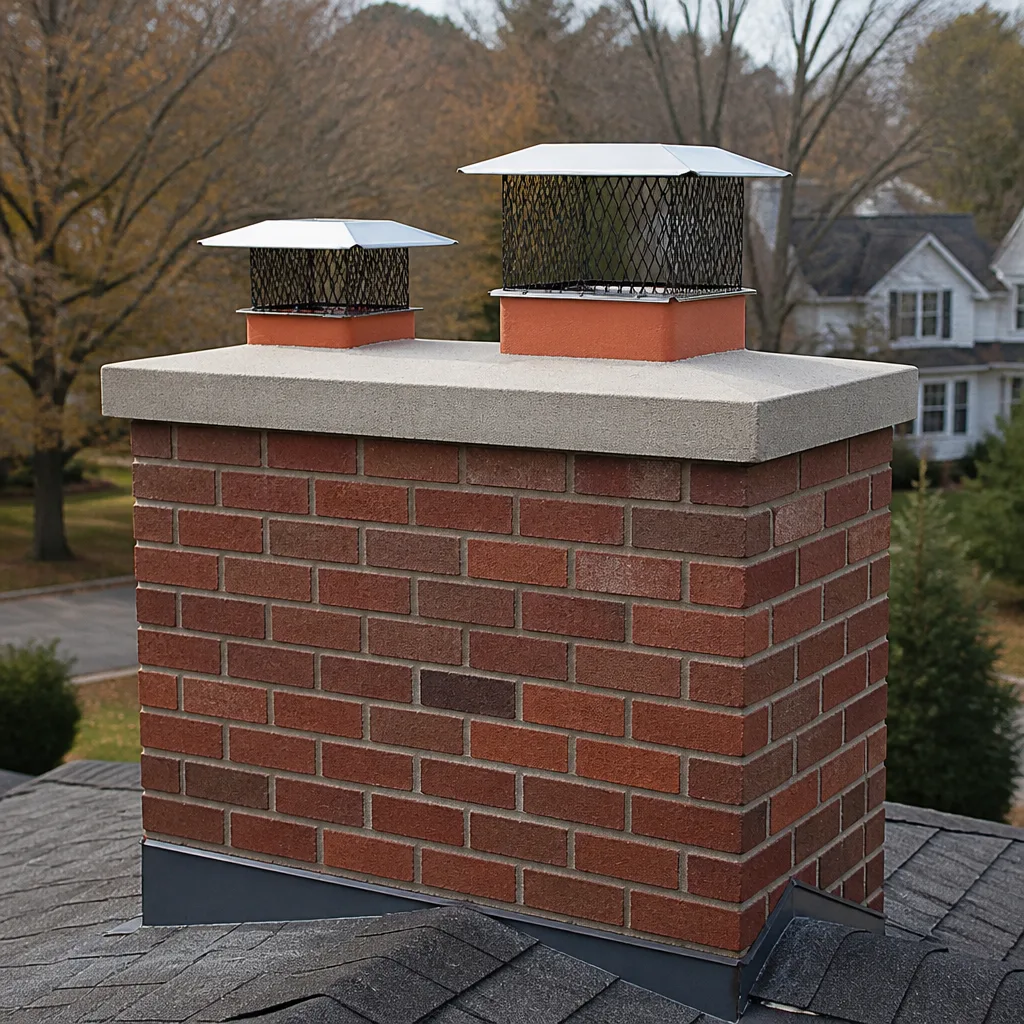 Caps & crowns
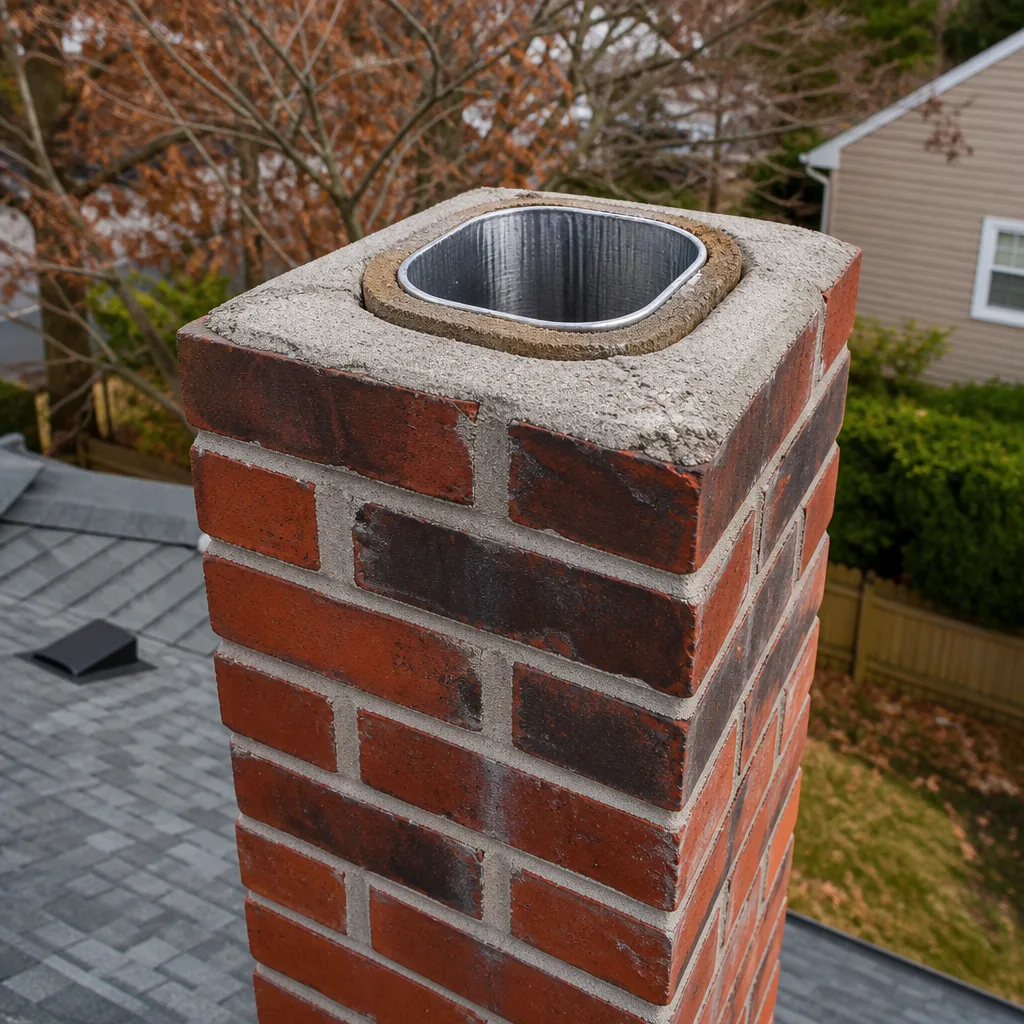 Flue relining
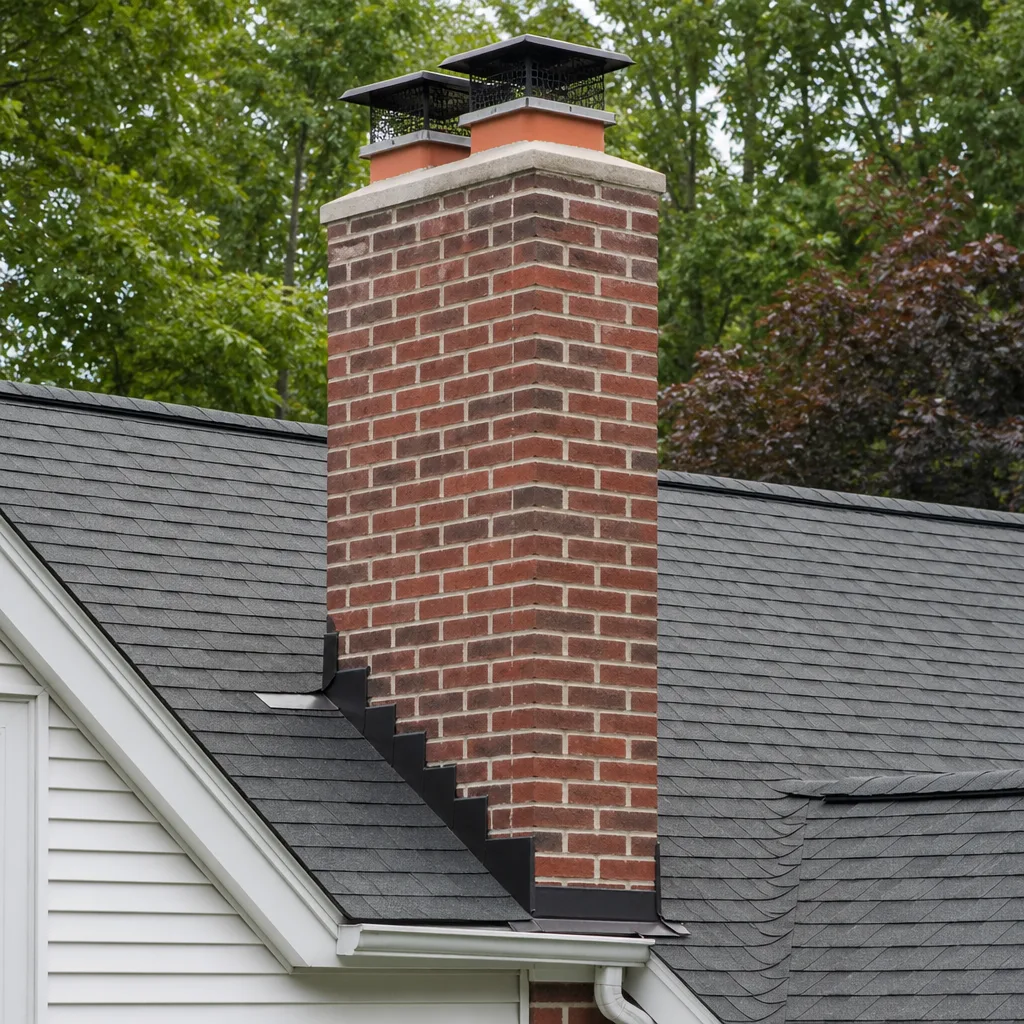 Masonry repair
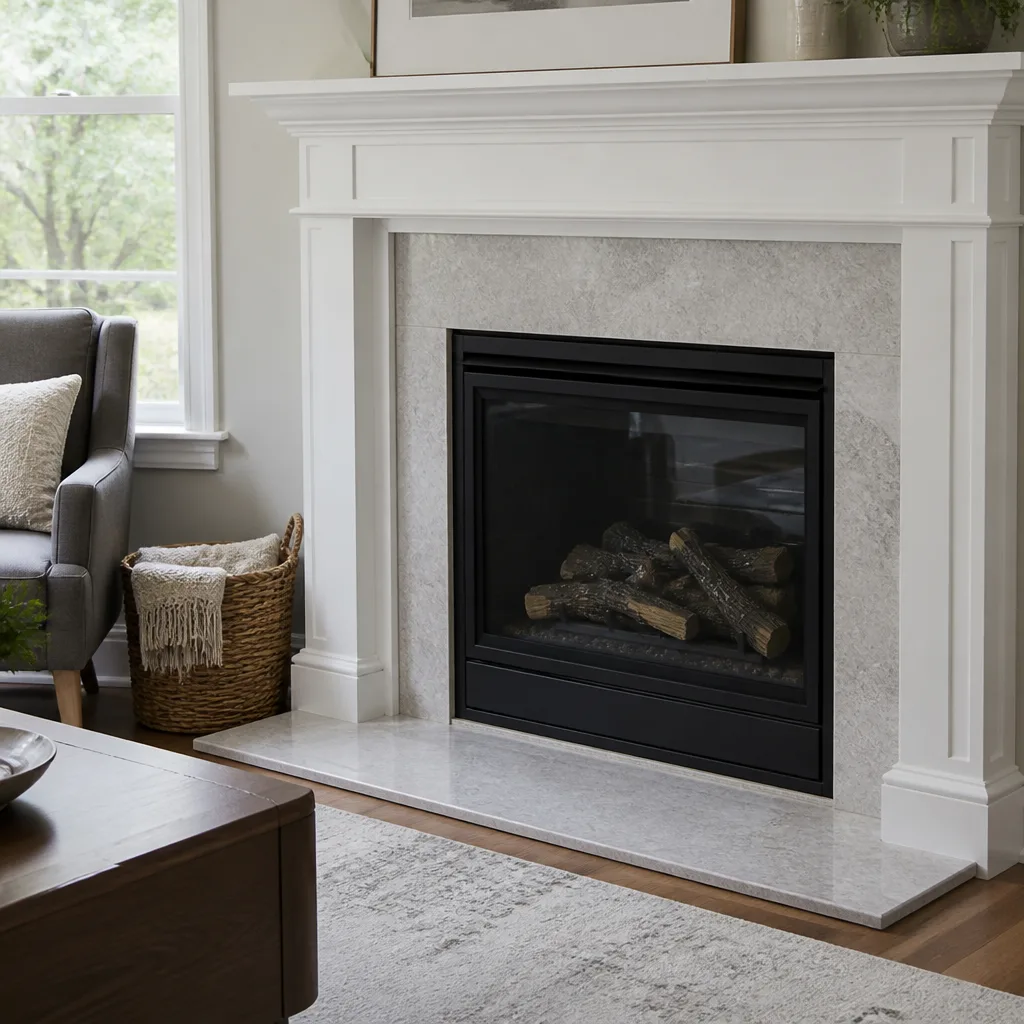 Gas fireplace service
Level 1 sweep and inspection to the NFPA 211 annual standard - flue, crown, cap, and flashing checked and photographed
Chimney sweep logs do not sweep chimneys. They loosen some creosote - which then falls where a brush and vacuum still have to collect it.
HeatShield Chimney Cleaning in Mountain View Acres, CA | Glendale Chimney Sweep
We provide independent HeatShield chimney cleaning and resurfacing service throughout Mountain View Acres, and we’ll tell you straight: before any HeatShield lining goes in, the flue has to be completely clear of the gritty sand-and-creosote blend this High Desert community is known for. That’s why many homeowners also schedule our Chimney Sweep in Mountain View Acres first. It doesn’t bond to a dirty surface. That’s the thing most out-of-town crews don’t account for, and it’s why our prep work here is different. If you’re in the 92395 zip code and want a crew that actually understands how HeatShield behaves in this climate, call (833) 467-6493.
Noel Tarkanian grew up in Glendale’s Montrose neighborhood, watching his family’s 1950s craftsman fireplace need attention every winter. That’s where the diagnostic instinct started. Years later, after the HVAC and sheet metal program at Glendale Community College, he found chimney work more satisfying than anything else, because you can see the problem, fix it, and prove the fix. He runs Glendale Chimney Sweep with the same approach he used explaining every step to his youngest daughter on weekend jobs: if you can’t show the homeowner exactly what’s wrong and exactly what you did, you haven’t done your job.
Why Mountain View Acres Residents Choose Us for HeatShield Service
HeatShield is a cast-in-place refractory lining system, and it works well when it’s applied correctly. The catch is that “correctly” in Mountain View Acres means something different than it does in San Bernardino or HeatShield repair in Victorville. The prep has to account for the environment. We’ve worked with HeatShield’s Cerfractory Flue Sealant and the Resurfacing System across the High Desert long enough to know what causes a failed bond here, and it’s almost always the same thing: flue walls that still hold that abrasive desert grit.
We’re independent. We’re not affiliated with HeatShield, not authorized by them, and not endorsed by them. We say that plainly because it matters. We evaluate whether your flue is actually a candidate for resurfacing, and if it isn’t, we tell you. We stock HeatShield’s own approved refractory materials and pair them with quality aftermarket caps, dampers, and flashing, because a cheap cap will undo a good reline faster than almost anything else. If you want to know more about the system itself, our HeatShield sales & service page covers the product line in depth.
Styles & brands we work with
Common HeatShield Chimney Cleaning Problems We Solve in Mountain View Acres
- Resurfacing bond failures from sand-and-creosote grit. We’ve opened flues where HeatShield was applied over a surface that still held abrasive particles, and the lining flaked within two seasons. In Mountain View Acres, the fine desert dust that blows in during spring mixes with creosote into a gritty paste. It has to be mechanically removed, not just swept, before any refractory material will bond.
- Rusted thin-walled metal stove pipe mistaken for a HeatShield candidate. Older manufactured homes and wood stove setups here often vent through original thin-walled metal pipe that’s rusted from the inside out. HeatShield can’t bridge a corroded metal vent. The pipe needs replacement first, and we’ll show you the camera footage to prove it.
- Glazed creosote hiding cracked clay tile. Freezing nights and repeated hot burns can glaze creosote into a hard, shiny shell. Underneath that shell, heat stress has often cracked or spalled the original clay tile. Resurfacing over a broken substrate doesn’t work. We remove the glaze, then we inspect before we recommend HeatShield.
- Cap screens packed with desert dust. A single windy spring off the open desert can pack a chimney cap screen completely solid. Moisture gets trapped, the crown takes a beating, and the top end of a HeatShield lining gets undermined. We replace those caps and fabricate custom options when standard sizes don’t fit.
- Freeze-thaw damage to mortar crowns. High Desert winters freeze, then thaw, then freeze again. That cycle works on mortar joints year after year. A failing crown lets water run down inside the flue, and if that water freezes behind a HeatShield layer, you get spalling. The crown has to be addressed as part of any reline.
HeatShield Service in Mountain View Acres: What Local Conditions Mean for Your Equipment
Here’s what we see in the older tracts off the main roads in 92395, and what it means if you’re considering HeatShield. Cold winter nights push wood stoves and fireplaces into heavy use. Then the dry, windy spring arrives, and it drives fine desert sand into every uncapped flue and every cap screen that’s already showing wear. The result is a deposit that doesn’t exist in wetter climates: a gritty, abrasive sand-and-creosote blend that bonds differently than soot. Soot is flammable and needs regular removal. This blend is flammable, abrasive, and it physically eats at flue walls and mortar joints. Before any HeatShield resurfacing can bond, every trace of it has to go. That’s why we treat HeatShield prep here as a two-step process: mechanical removal of the grit, then a Level 2 camera inspection of the substrate underneath. If the substrate is sound, HeatShield goes in and performs. If it isn’t, no amount of resurfacing will save it, and we’ll say so plainly.
We also see a failure mode here that’s rare in coastal or valley cities: original thin-walled metal stove pipes rusted from the inside, often hidden behind a cap packed solid with desert dust. On one older tract street, we opened a wood stove vent and found exactly that. The pipe had failed from internal corrosion, the cap was completely clogged, and the sand behind it was damp and acidic. We pulled the failed pipe, cleared the flue, confirmed the masonry chase was sound with a camera scan, and fitted a new cap. The stove was safe to burn before the first freezing night that year. That’s the kind of fix that makes a real difference in Mountain View Acres.
HeatShield Models & Products We Service in Mountain View Acres
We work with the HeatShield Cerfractory Flue Sealant, the Resurfacing System for damaged clay tile and mortar joints, and HeatShield custom cap fabrication and multi-flue cap installations. The Cerfractory system is a cast-in-place refractory lining that restores a deteriorating flue without tearing it out and rebuilding it. We use HeatShield’s own approved refractory materials, not generic substitutes, because the chemistry matters. Then we match them with quality aftermarket caps, dampers, and flashing, because the top of the flue is just as important as the lining itself. If you’re in Mountain View Acres and a flue inspection turned up cracked tile or spalled mortar, we’ll tell you honestly whether HeatShield in Apple Valley and surrounding areas is the right fix and what the full job should include.
See the difference
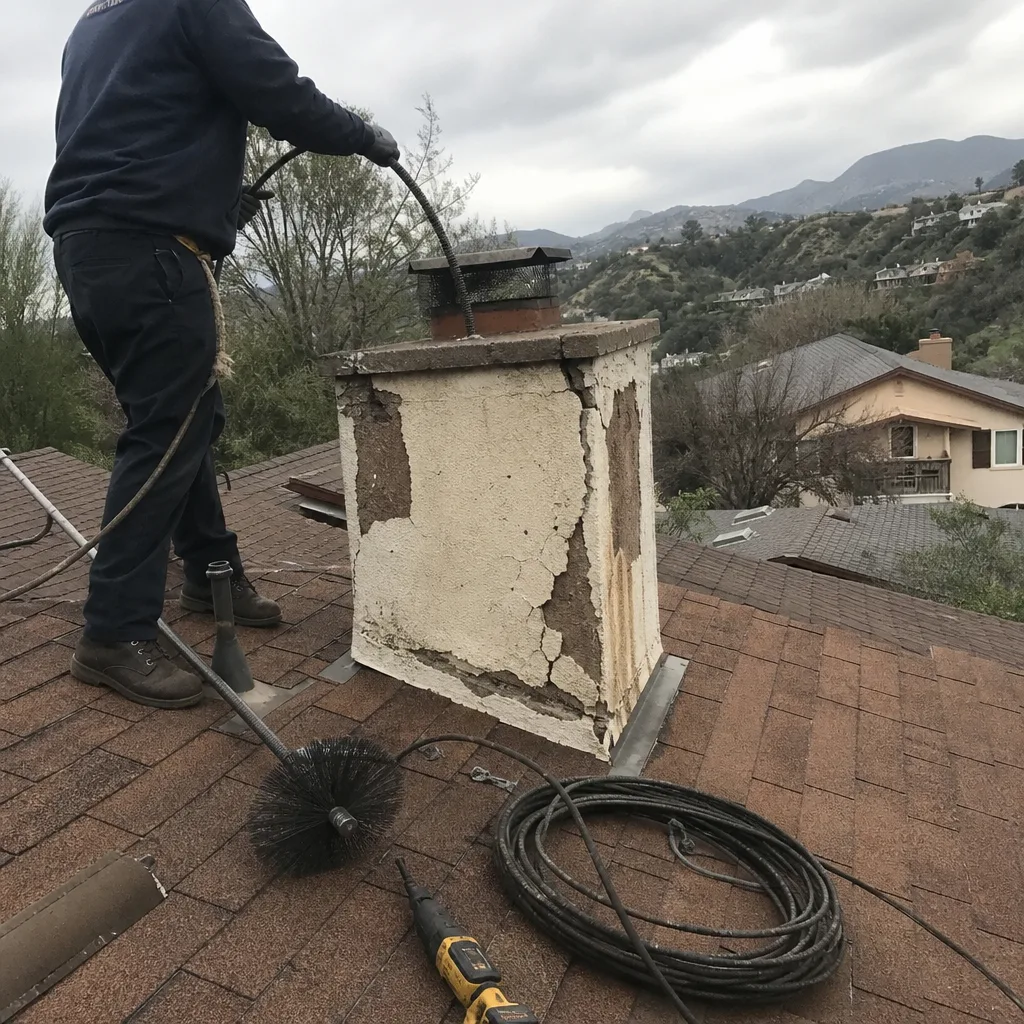 Before
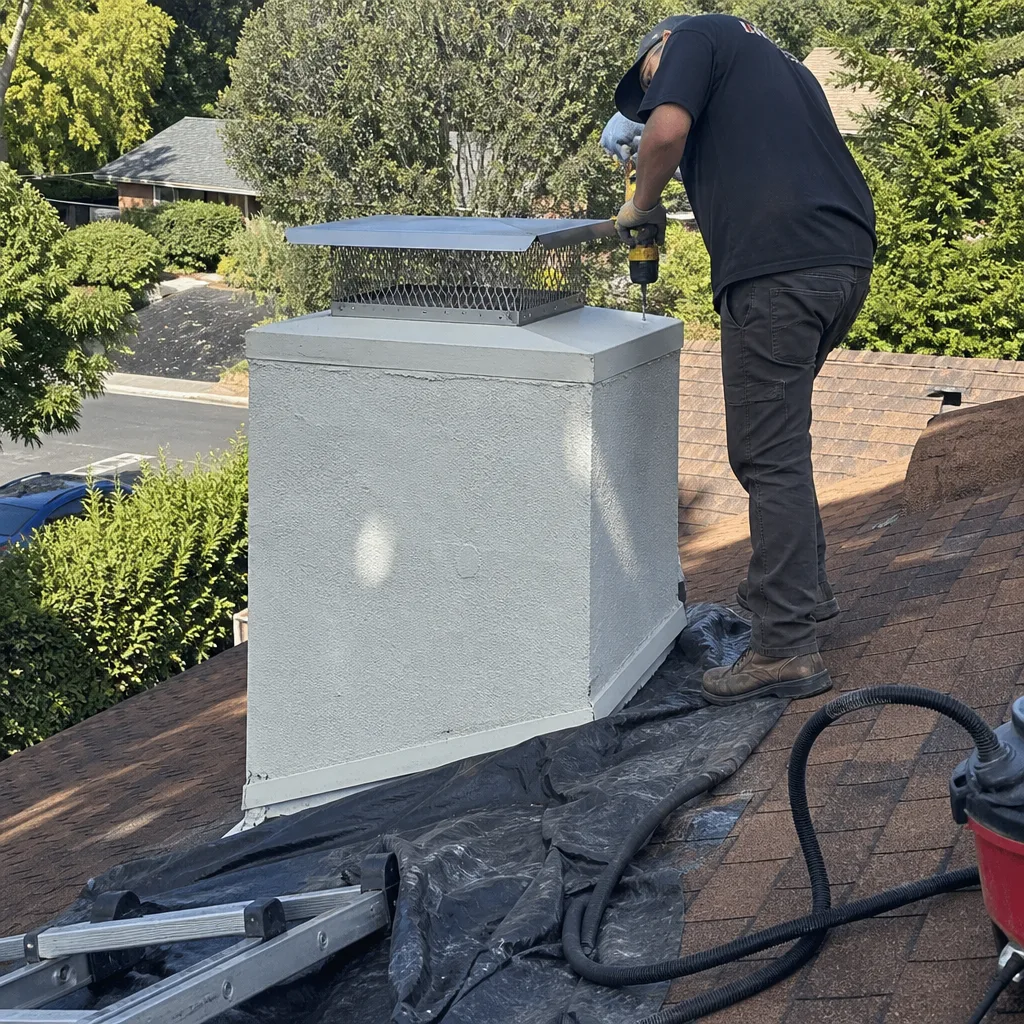 After
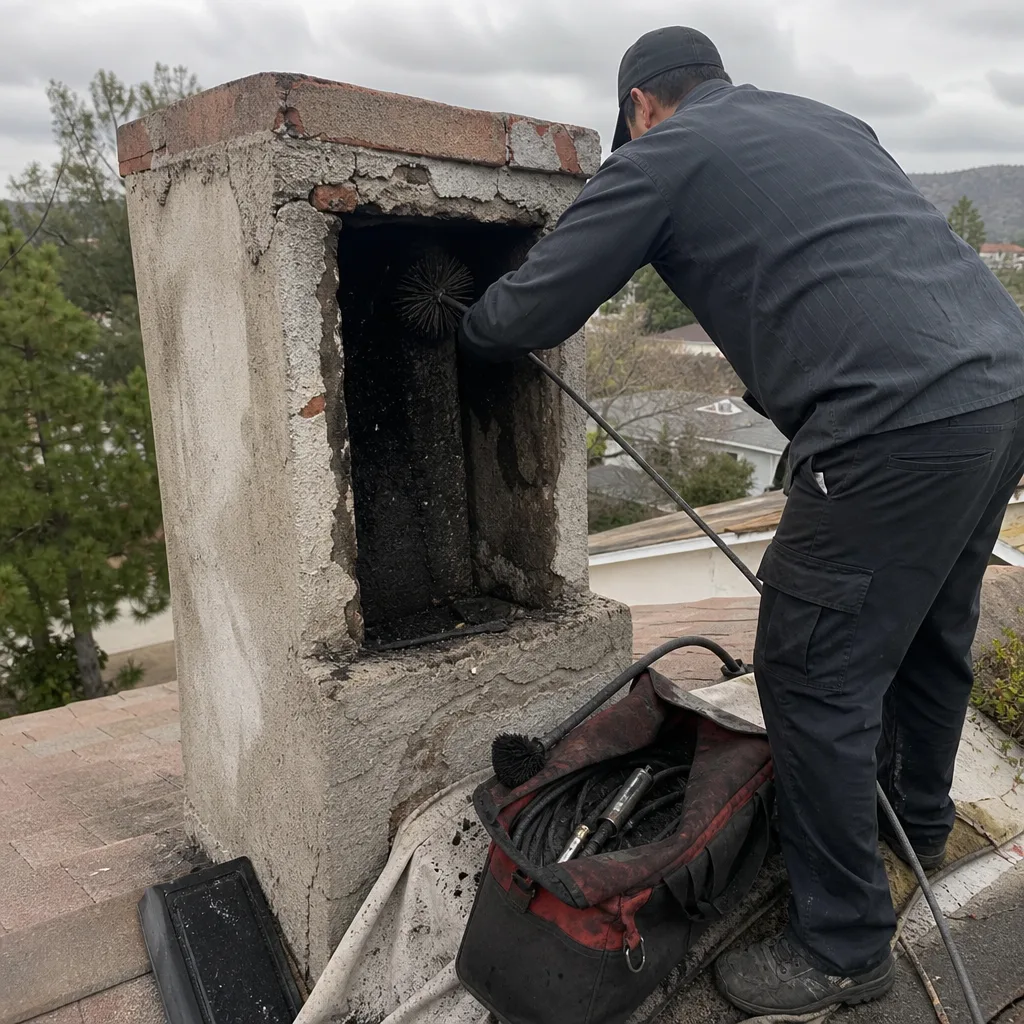 Before
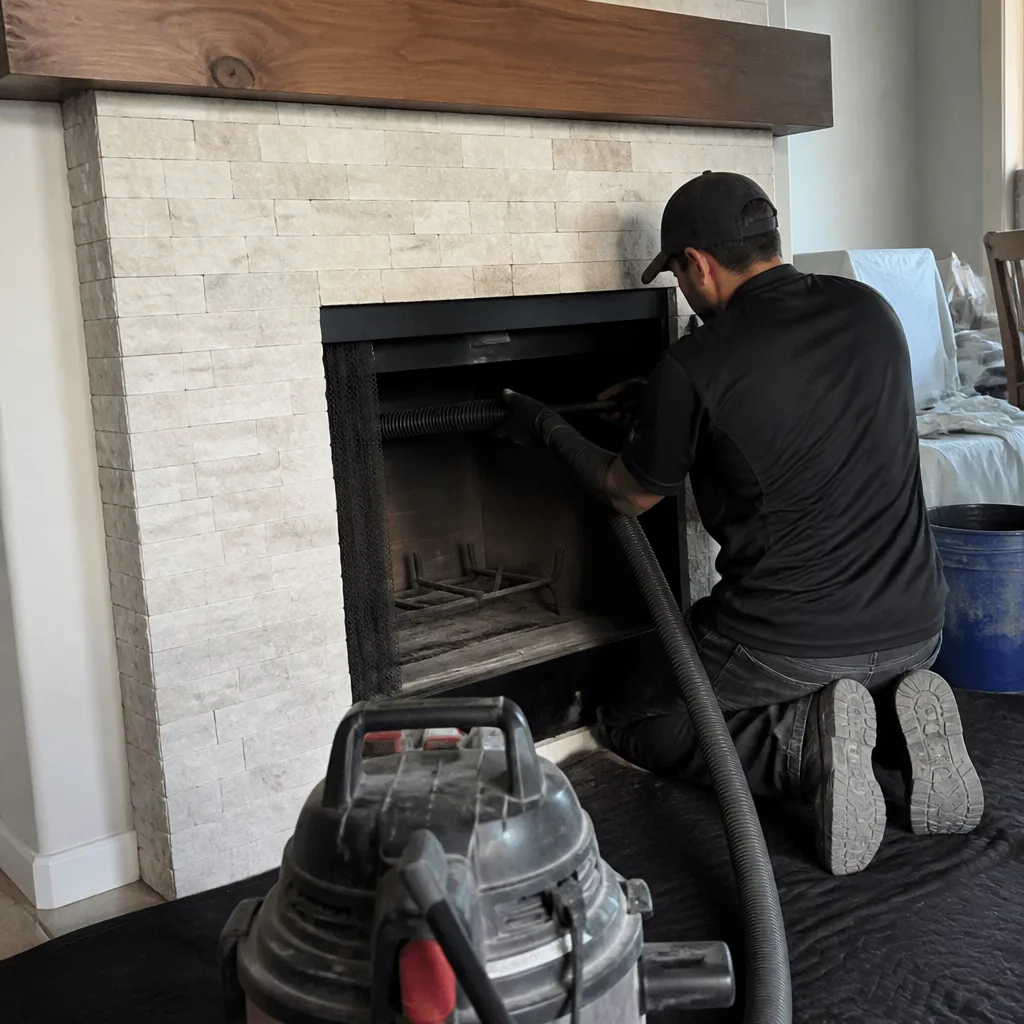 After
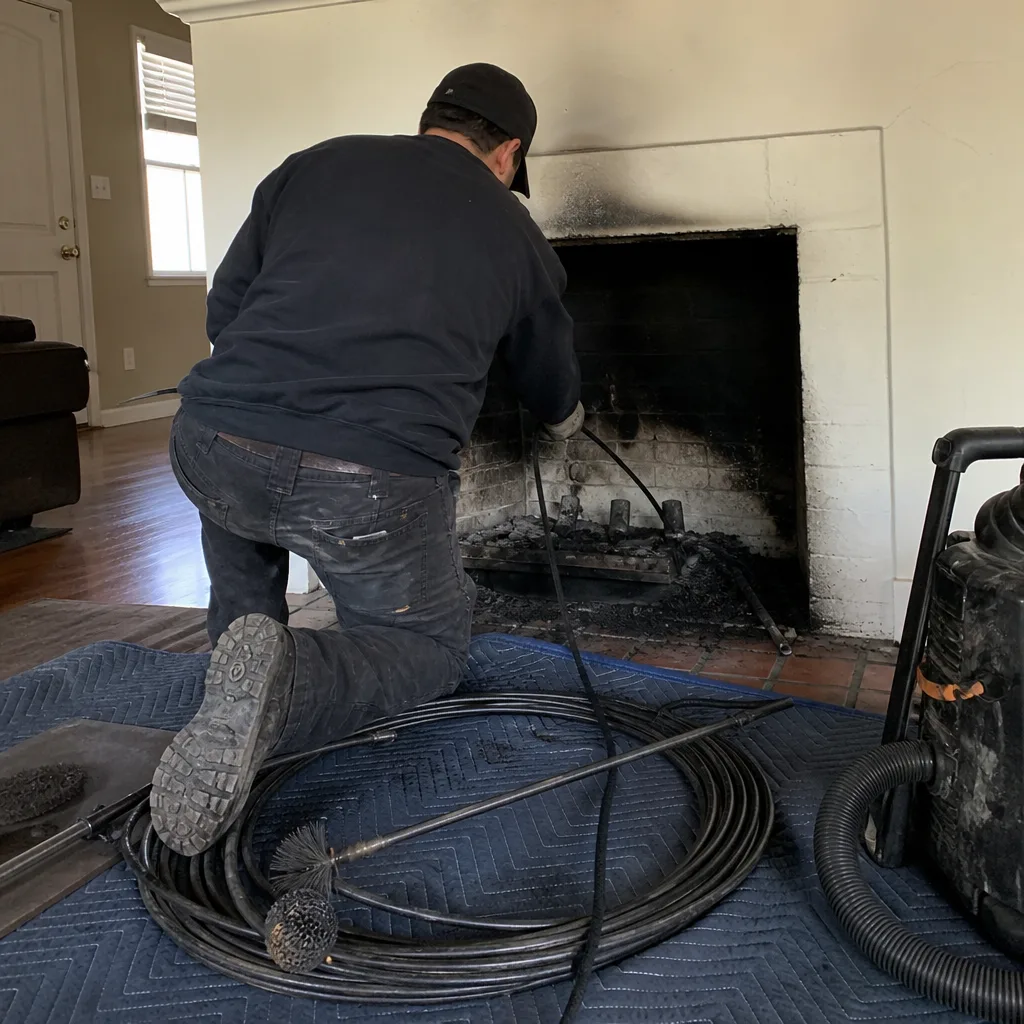 Before
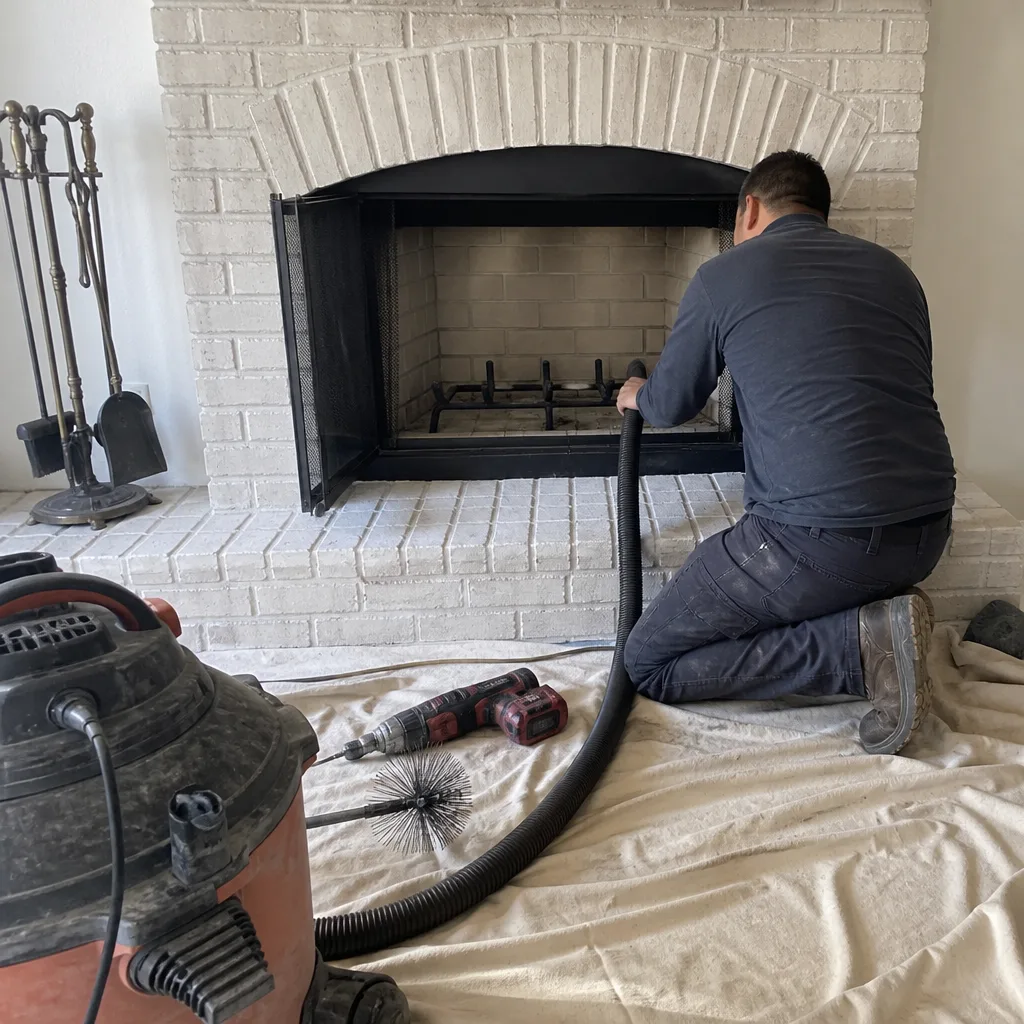 After
HeatShield Service Pricing in Mountain View Acres
HeatShield resurfacing in Mountain View Acres typically falls between $3,500 and $6,000, depending on flue height, access, and the amount of prep work required. A Level 2 camera inspection runs $150 to $350 and should always come before any reline recommendation. Cap replacement adds $150 to $500, more for custom fabrication on multi-flue configurations. Creosote removal before a HeatShield job is billed at our standard sweep rates, and a sand-and-creosote blend often takes longer to clear than a simple soot sweep. What drives the cost most is prep, because that’s where the difference between a lining that lasts twenty years and one that flakes in two seasons gets made. We quote the full scope before any material gets ordered. Call (833) 467-6493 for a free estimate, and we’ll walk you through exactly what your flue needs.
Serving Mountain View Acres, CA — Our Local Coverage Area
We’re based in the Mountain View Acres area and know this community well. Use the map below to see our service coverage — if you’re nearby, we can almost certainly help.
FAQs – HeatShield Chimney Cleaning in Mountain View Acres
No. HeatShield bonds to a clean, sound substrate. The desert sand and creosote blend common in Mountain View Acres has to be mechanically removed first, and the flue walls inspected for cracks, spalling, or hidden damage before any refractory material goes in.
No. HeatShield is a flue resurfacing product for masonry chimneys, not a repair for corroded metal venting. If the pipe is rusted through from the inside, it needs replacement, not resurfacing. We’ll show you the camera footage so you can see exactly what condition the pipe is in before you spend anything. Call (833) 467-6493 for a Level 2 inspection.
Mountain View Acres sits in the High Desert, and the spring winds carry fine sand that does not exist in the same volume in valley or coastal cities. That sand packs cap screens solid, traps moisture, and accelerates crown damage. A standard cap screen can be completely blocked after one windy season. Upgrading to a cap with proper screening and clearing it during your annual sweep makes a difference.
Yes. Repeated sub-freezing burns, especially hot fires followed by cold overnight temps, can glaze creosote into a hard, shiny coating that resists normal brushing. Glazed creosote takes mechanical removal, and it can hide cracked or spalled clay tile underneath. That tile condition has to be known before HeatShield goes in, because the product can’t compensate for a broken substrate.
An annual sweep is the right routine for a working fireplace, but before any reline decision, you need a Level 2 camera inspection. The camera shows what’s behind the creosote: tile condition, mortar joints, and whether the flue is actually a candidate for HeatShield. A sweep alone won’t tell you that. Call (833) 467-6493 and we’ll schedule the inspection and walk you through the video.
Service Areas Near Mountain View Acres
We serve Mountain View Acres and the surrounding High Desert communities, plus our home territory around Glendale, Burbank, Silver Lake, Echo Park, and La Cañada Flintridge. If you’re nearby and looking for HeatShield service in Loma Linda or HeatShield service in Hesperia, we cover those areas too. For a full picture of where we work, see our Mountain View Acres service area page.
Book Your HeatShield Service in Mountain View Acres Today
If your fireplace or wood stove has been working hard through the cold High Desert winter, and you’re wondering whether the flue is still sound, call (833) 467-6493. We also offer HeatShield service in Spring Valley Lake and nearby communities. We’ll schedule a Level 2 inspection, show you what we find on camera, and give you an honest recommendation, whether that’s HeatShield resurfacing, a simple sweep, or something else entirely.
Written by Noel Tarkanian, Owner at Glendale Chimney Sweep, serving Mountain View Acres and the High Desert.