Last updated October 30, 2026
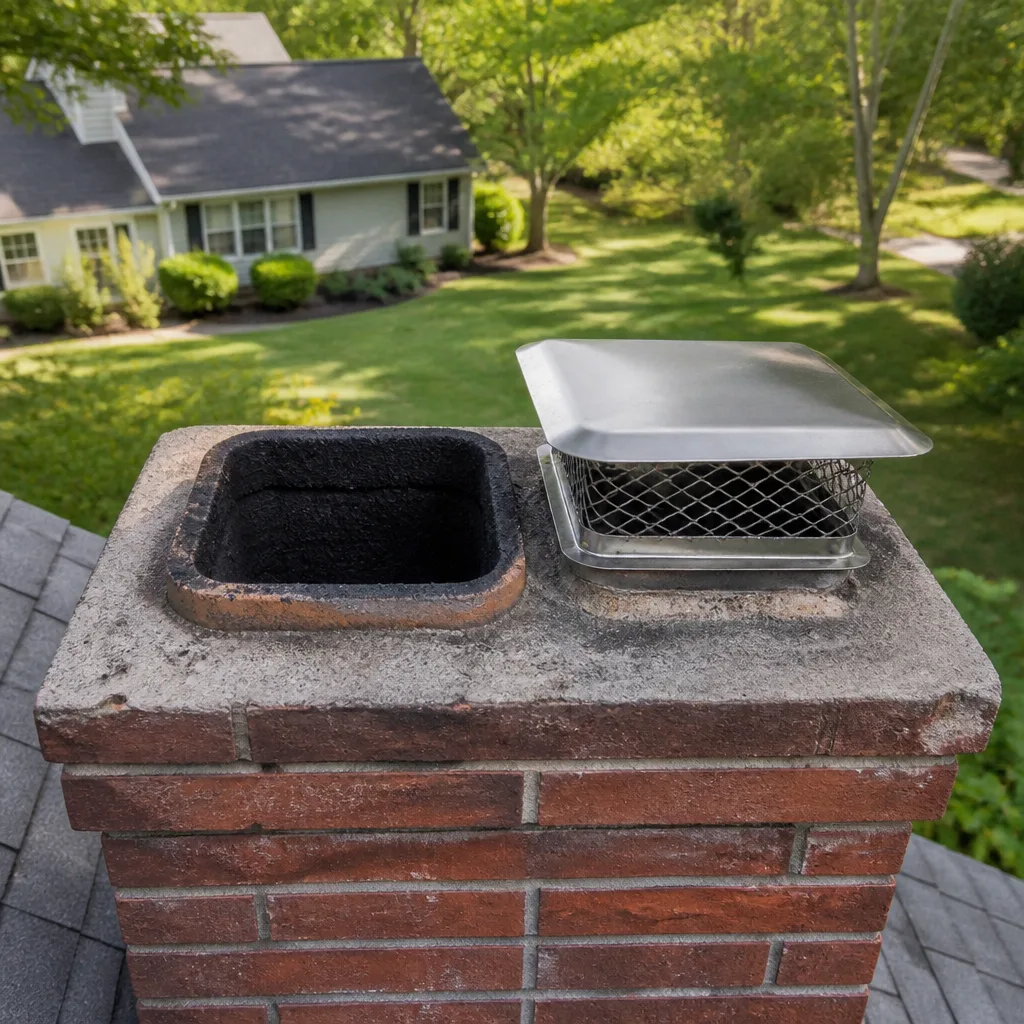 Sweep & inspection
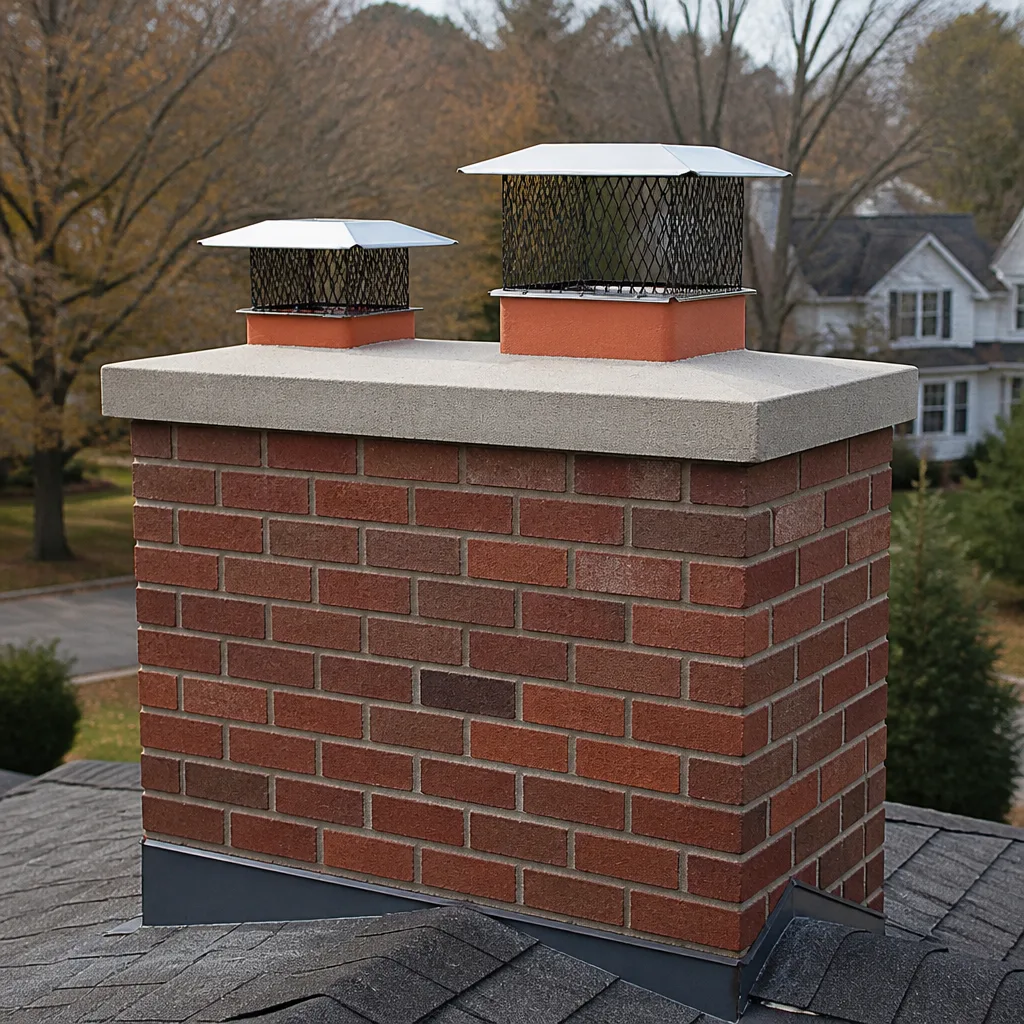 Caps & crowns
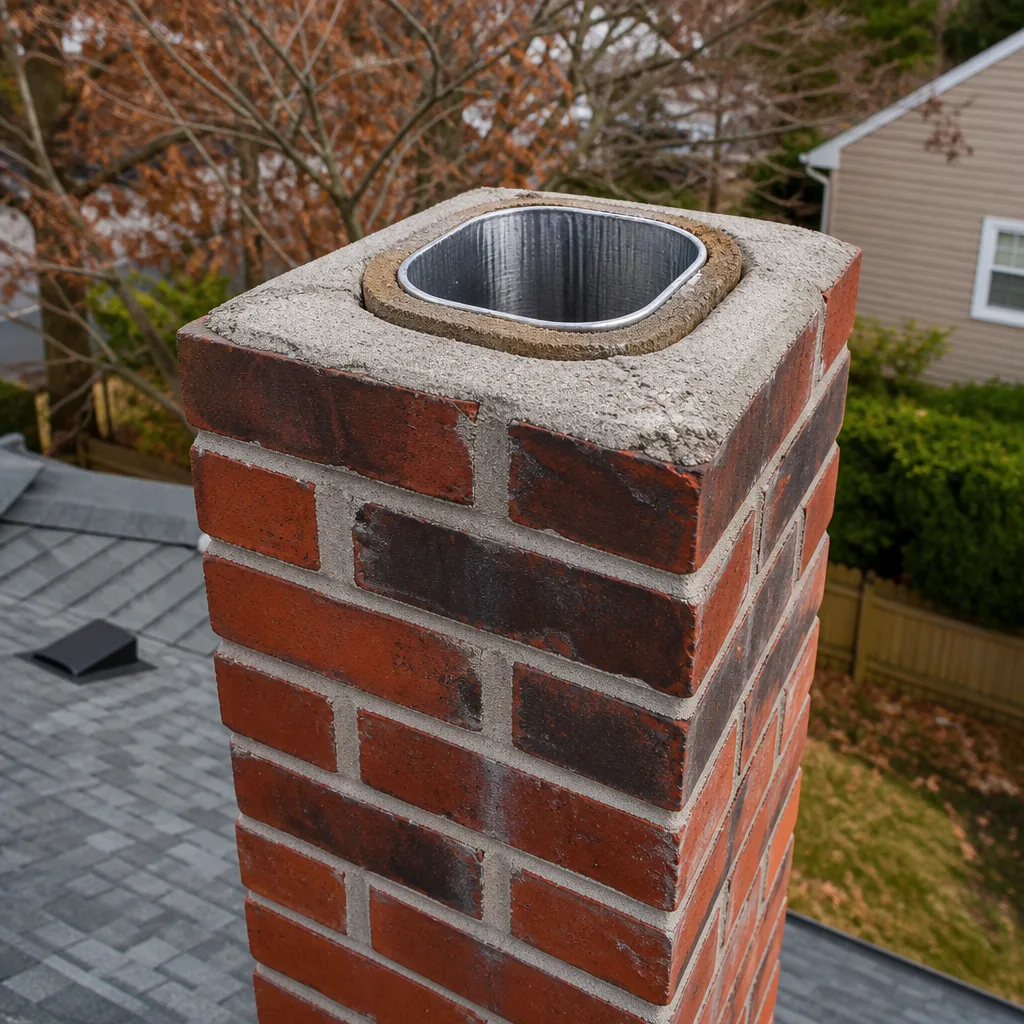 Flue relining
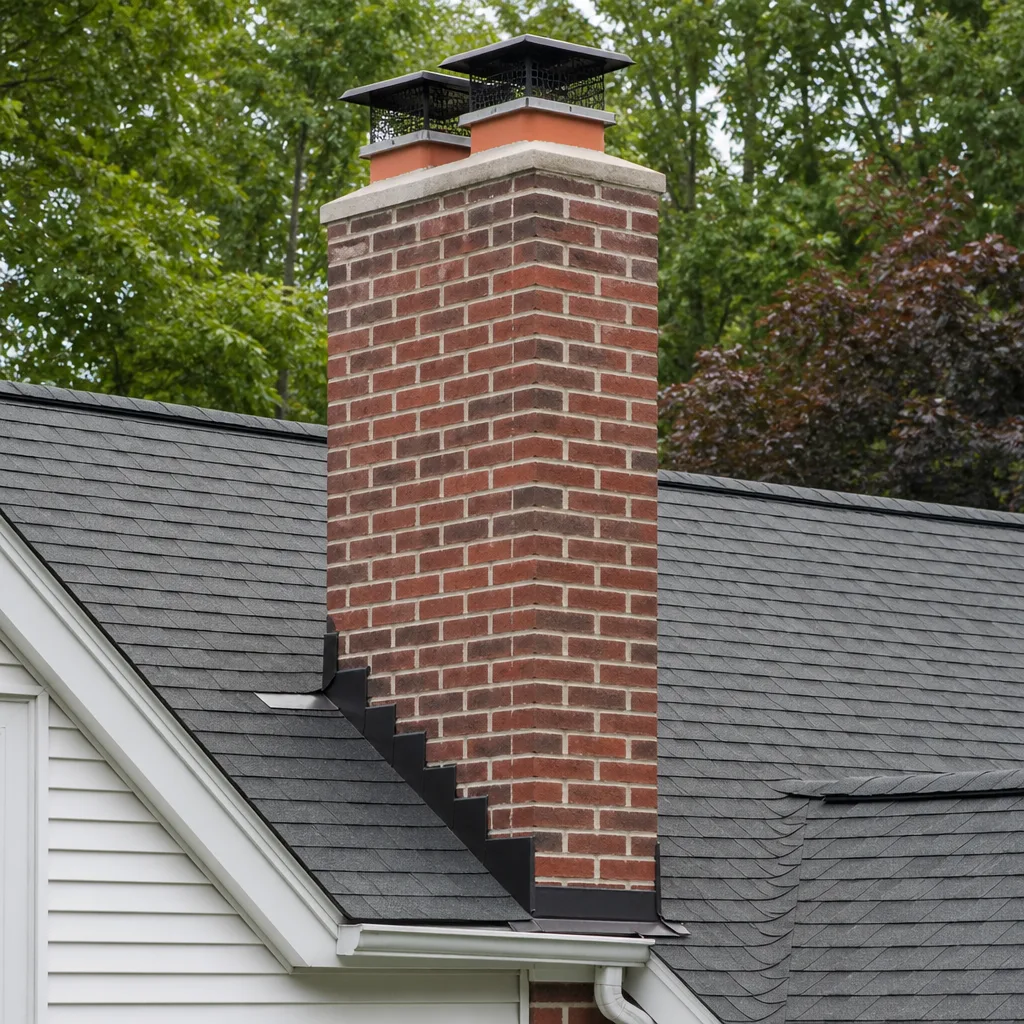 Masonry repair
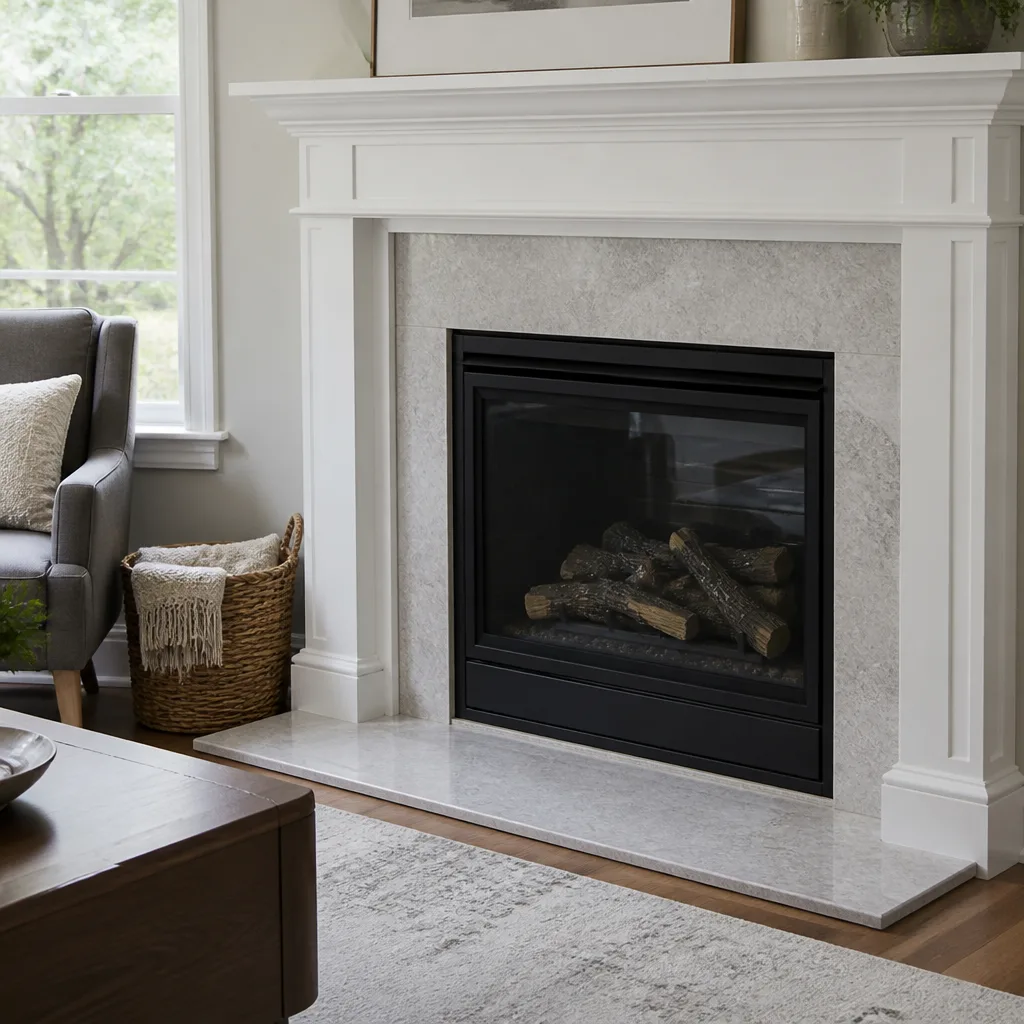 Gas fireplace service
Level 1 sweep and inspection to the NFPA 211 annual standard - flue, crown, cap, and flashing checked and photographed
Chimney sweep logs do not sweep chimneys. They loosen some creosote - which then falls where a brush and vacuum still have to collect it.
How to Hire a Chimney Cleaning Contractor in Glendale: A Step-by-Step Guide
California has no state licensing requirement specific to chimney sweeps, which means anyone can legally show up at your door with a brush and call themselves a chimney professional, and many do. Glendale homeowners face a market where a $59 groupon special and a credentialed specialist look identical on a Yelp listing until something gets missed. This guide walks you through the exact credential checkpoints, diagnostic questions, and red flags that separate a technician who understands flue dynamics, liner materials, and combustion safety from someone who just pushes soot around. You’ll learn how to verify certifications independently, read an estimate like an inspector would, and evaluate reviews for evidence of actual chimney competence rather than general home-repair competence.
Quick Answer
To hire a chimney cleaning contractor in Glendale, verify at least one recognized certification (CSIA or NFI) through the issuing organization’s own database, ask five diagnostic questions only a specialist can answer, and require a written estimate that names the cleaning method, specifies materials by brand if repairs come up, and includes a documented liner assessment. Avoid any quote that prices a Level 1 cleaning as a full service, and never accept a camera inspection claim without seeing the footage yourself.
Styles & brands we work with
Table of Contents
- The Two Certifications That Actually Matter (and How to Verify Them)
- Five Diagnostic Questions a Specialist Answers Immediately
- Anatomy of a Legitimate Written Estimate
- Why the Lowest Quote in Glendale Is Almost Always a Level 1 Cleaning Sold as a Full Service
- How to Evaluate Reviews for Chimney Work Specifically
- Glendale-Specific Factors That Affect Your Chimney
- The Step-by-Step Hiring Process
- Common Mistakes to Avoid
The Two Certifications That Actually Matter (and How to Verify Them)
When a contractor says they’re certified, ask which organization issued the credential and what their certification number is. Most homeowners don’t, and that’s exactly what the unqualified count on. Here’s what to look for and how to confirm it yourself.
CSIA Certified Chimney Sweep
The Chimney Safety Institute of America is the dominant national credential in the chimney industry. A CSIA certification means the sweep passed a written exam covering fire codes, clearances, construction standards, and inspection methods. It also requires continuing education credits, so the credential is maintained rather than earned once and forgotten. You can verify a CSIA certification directly at the CSIA website’s directory by searching the company name or the sweep’s individual name. If a contractor claims CSIA certification but doesn’t appear in that directory, that’s a red flag you shouldn’t ignore.
NFI Certification (National Fireplace Institute)
NFI certifies specifically on fuel types: NFI Woodburning Specialist, NFI Gas Specialist, and NFI Pellet Specialist. A sweep holding an NFI Woodburning Specialist credential has demonstrated knowledge specific to wood combustion systems, including draft dynamics, creosote formation, and appliance clearances. Verify this one at the NFI website’s certification lookup tool. You’ll need the sweep’s full name and, ideally, their certification ID.
One credential is good. Seeing both CSIA and NFI on the same technician’s resume isn’t just redundant, it signals someone who takes the craft seriously enough to sit for two separate certification processes. In our experience working in Glendale homes, the contractors carrying both tend to be the ones who write detailed estimates, photograph their findings, and stand behind specific brand materials because they know the difference matters.
Why Verification by the Homeowner Matters
A 2023 survey by the CSIA found that fewer than 5% of self-identified chimney professionals in the western United States held active certification. Glendale’s unregulated market reflects this nationally. The person who shows up to your home may have years of general contracting experience and zero formal chimney training, and because there’s no state licensing body checking, the burden of verification falls on you. It takes ninety seconds to check a name in a directory, and it’s the single highest-value step in your hiring process.
Five Diagnostic Questions a Specialist Answers Immediately
Before you book, call and ask these five questions. A sweep who knows their work will answer without hesitation. A generalist will stall, hedge, or give you a vague answer that sounds confident but contains no actual information. Write down the answers. If the response to any of these is evasive, call someone else.
- “When you inspect my flue, what are you looking for beyond creosote buildup?”
A real chimney technician will mention spalling (flaking clay liner surfaces), cracked flue tiles, missing mortar joints, clearance-to-combustibles violations, and draft issues. A handyman will say something like “buildup and blockages” and stop there. The difference is the difference between a cleaning and a real inspection. - “What’s your protocol if you find a cracked flue liner during the cleaning?”
This is the money question. A specialist will explain that cracked liners can’t be left in service because they create a fire risk, then describe options: stainless steel relining (and name brands they work with, like DuraFlex), HeatShield resurfacing as a less invasive alternative, or a full tear-out in severe cases. A generalist will either say they don’t do repairs or offer a vague “we can patch it.” We patch cracks with resurfacing systems like HeatShield when the damage allows, and we’re specific about why that works and when it won’t. - “What creosote stage are you seeing, and how does it change your cleaning method?”
Creosote has three stages. Stage one is flaky soot. Stage two is granular and tar-like. Stage three is a hard glaze that can’t be brushed off and requires mechanical removal or chemical treatment. A certified sweep can describe the difference off the top of their head because they’ve dealt with all three. A brush-kit operator might not know stages exist. - “Do you use a camera during the inspection, and can I see the footage?”
If the answer is anything other than an immediate yes, move on. A video scan of the flue interior is standard practice for legitimate Glendale chimney work. It documents the liner condition before and after, and it gives you evidence for any recommended repair. We run cameras on our inspections and our clients watch the footage with us on site. There’s no reason for opacity here. - “What brands of liners and repair materials do you use, and why those?”
A specialist will name brands without prompting. They’ll tell you they use DuraFlex for flexible liner installations because it’s a recognized name in the industry. They’ll mention HeatShield for resurfacing, Gelco for specific masonry applications, Olympia Chimney for caps, Famco for specific fittings. A generalist will say “quality materials” or “whatever the job needs.” Specificity is the tell. When you hear specific brand names, you’re talking to someone who orders from pro-grade suppliers and stands behind the materials they install.
If a contractor passes all five questions with direct, specific answers, you’re almost certainly dealing with a qualified technician. If two or more answers feel evasive, keep looking.
Anatomy of a Legitimate Written Estimate
An estimate is a diagnostic document as much as a price quote. It tells you exactly what the contractor saw, what they plan to do, and whether they understand the scope of the job. Vague language on an estimate is a leading indicator of vague work on the chimney.
What Must Be Included
- Scope of work in plain language. “Clean chimney, inspect flue, remove creosote” is not adequate. A legitimate chimney sweep in Glendale will write something like “Mechanically sweep flue interior from firebox to flue cap using standard rotary brushes, remove Stage 2 creosote deposits, vacuum firebox and smoke shelf, inspect flue liner via video scan, document findings with photos.” The second version describes actions. The first describes intentions.
- Liner assessment. Any estimate from a quality contractor includes a section on the existing flue liner’s condition, or explicitly states that a liner assessment will be performed and findings documented. A chimney cleaning that doesn’t include liner evaluation is a partial job. Your liner is the barrier between combustion gases and your home’s framing. Ignoring it is negligent.
- Method used. Rotary brush, rod and brush, chemical treatment for Stage 3 creosote, power sweeping. The method matters because different creosote stages require different approaches. A contractor who specifies the method understands what they’re likely to encounter.
- Materials specified by brand. If the estimate includes repairs, the material should be named. “Stainless steel liner, 6-inch flex, DuraFlex” is a real estimate. “New liner as needed” is a placeholder for a change order. Copperfield chimney caps. Gelco sealants. Olympia Chimney components. When we quote a repair in Glendale, our customers can Google every material we’ve named and see that it’s a professional-grade product, not a generic hardware-store substitute.
- Total price with tax and any line items as separate figures. Everything itemized. No lump sums that could hide inflated labor costs or cheap materials.
Red Flags in Vague Proposals
- “Complete chimney service” with no detail about what’s being cleaned, how, or what’s included.
- No mention of the flue liner at all (inspection or assessment).
- “Materials as needed” or “quality parts” without specification. A professional names brands.
- No camera scan mentioned or offered as an add-on (a proper inspection should include it in the base scope).
- Prices quoted over the phone without seeing the chimney (a legitimate contractor can give a ballpark but will confirm on site, and for anything beyond a basic sweep, they need to look).
Here’s what a transparent pricing table looks like for Glendale chimney work:
| Service | Typical Range in Glendale | What It Should Include |
|---|---|---|
| Level 1 Chimney Sweep (no issues) | $180 – $280 | Mechanical sweep, firebox cleanup, basic visual inspection |
| Level 2 Inspection (with video scan) | $300 – $500 | Full sweep plus camera inspection, written condition report, photos |
| Creosote Removal (Stage 3, chemical treatment) | $350 – $600 | Chemical application, dwell time, mechanical removal, re-inspection |
| HeatShield Liner Resurfacing | $3,000 – $6,500 | Flue resurfacing, documentation, warranty |
| DuraFlex Liner Installation (full reline) | $4,500 – $9,000 | Full stainless liner system, insulation, top plate, cap, documentation |
These ranges reflect what we see across Glendale, including older hillside homes with offset flues that complicate liner installations. Your specific chimney’s price depends on height, accessibility, creosote stage, and liner condition.
Why the Lowest Quote in Glendale Is Almost Always a Level 1 Cleaning Sold as a Full Service
The National Fire Protection Association recognizes three levels of chimney inspection. A Level 1 inspection is a visual check of accessible portions of the chimney: what you can see from the firebox and what’s visible from the roof. No camera. No specialized tools. A Level 1 is appropriate for a chimney that’s been regularly maintained and has no known issues or changes in use.
A Level 2 inspection adds a video scan of the flue interior and is required whenever there’s been a change to the system: a new liner, a new appliance, a change in fuel type, or after an event like a chimney fire, earthquake, or major weather event. Glendale is earthquake country. Many homes here have chimneys that have been through seismic events and should be evaluated with a Level 2 scan if they haven’t been since the last significant quake.
Here’s the trap: the $79 or $59 chimney sweep specials advertised around Glendale are Level 1 cleanings, priced to get a technician in the door. The cleaning itself might be fine. But the inspection is superficial, and the one thing you’re actually paying for (peace of mind that your chimney is safe) isn’t delivered. A cracked flue liner that would show up clearly on a camera scan is invisible to the naked eye from the firebox or the roof. The cheap sweep isn’t a cheaper version of the same service. It’s a different service with a critical gap.
And here’s what that gap leaves undetected:
- Cracked or spalled clay flue liners that allow heat and gases to reach combustible framing.
- Improper clearances between the flue and wood framing that should have been caught at installation.
- Stage 3 glazed creosote hiding behind obstructions or in the smoke chamber.
- Damaged or missing mortar joints inside the flue that create pathways for heat transfer.
- Animal nests or partial blockages above the smoke shelf that a top-down or camera view would reveal.
None of these are visible during a Level 1 cleaning. All of them are fire hazards. The lowest quote isn’t just a cheaper version of the same job, it’s a smaller, less protective job. In our experience, homeowners in Glendale who choose the bottom quote and later get a proper inspection often find issues that could have been caught years earlier, as detailed in our Chimney Cleaning Cost Breakdown: The Glendale Homeowner’s Reference for 2026. The money they saved on the cleaning gets spent many times over on repair work that a timely catch would have prevented or minimized.
When you’re comparing quotes, ask explicitly: “Is this a Level 1 or Level 2 inspection?” If the answer is blank confusion, you’re talking to someone who doesn’t work from NFPA standards. If the quote doesn’t include a camera scan and you haven’t had one in the past two years, add it. Your flue liner is the difference between a contained fire and a structure fire. You want it looked at properly.
How to Evaluate Reviews for Chimney Work Specifically
General review platforms are noisy for a trade like this. A handyman with 200 five-star reviews for hanging doors and fixing drywall will look identical to a chimney specialist with 200 five-star reviews for inspections, liner installations, and creosote removal. Your job is to read for context and evidence, not just star count.
What to Look For
- Reviews that mention specific findings. “They found a cracked flue tile and showed me the footage on their tablet” is a signal that the reviewer actually got an inspection, not just a cleaning. Five words like “showed me the video” are worth a hundred generic “great service” lines.
- Reviews that reference documentation. Customers who mention photos, written reports, or video scans are describing a contractor who does the work properly. This correlates strongly with certification.
- Mentions of specific materials or parts. “They recommended a DuraFlex liner and explained why” or “They resurfaced our flue with HeatShield instead of pushing a full reline” are reviews written by customers who worked with a specialist, not a generalist.
- Reviews on chimney-specific platforms. The CSIA maintains a find-a-sweep directory. Angi and Yelp have chimney categories. But the most useful reviews for chimney work often live on local community groups and Nextdoor, where Glendale homeowners discuss who actually did good work on chimneys in their specific homes, with their specific aging flues and earthquake history.
- Before/after documentation referenced in reviews. “They showed me the before and after video of the flue” is the strongest single indicator of a quality sweep. It means the contractor documented the work and shared evidence with the customer. That’s the behavior pattern of a professional.
What to Discount or Ignore
- Star ratings with no written text. A five-star rating with no comment tells you nothing about the work quality.
- Reviews that only mention punctuality and friendliness. Being on time and pleasant is the baseline. It’s not a chimney qualification.
- Reviews from customers who clearly had no idea what was done. “They came and did their thing, looks fine” is not evidence of competence.
- Any review that mentions being sold a liner or major repair without documentation. That’s a red flag in the contractor’s behavior, not a mark of trustworthiness.
When we look at our own Glendale reviews, the ones that reflect what actually happened on the job are the ones where customers mention seeing the camera footage, understanding the brand of liner they were quoted, and having questions answered with specific technical detail. Those are the patterns you want to find in the reviews of anyone you’re considering hiring.
Glendale-Specific Factors That Affect Your Chimney
Glendale’s climate and geography create specific conditions that influence how often your chimney needs attention and what kinds of problems are most common. A contractor who understands these local factors is going to give you better advice than one who applies generic national guidance, which is why we put together a Seasonal Chimney Cleaning Care for Glendale: Year-Round Homeowner’s Guide.
Glendale sits in a hot-summer Mediterranean climate with wet winters and long dry stretches. The wet-dry cycle is hard on masonry. Water seeps into porous brick and mortar during winter rain, then expands in the heat of summer as surfaces dry at different rates. Over years, this thermal cycling creates the hairline cracks and spalling that we see in Glendale flue liners regularly. Clay tile liners, common in homes built through the 1970s and 1980s, are particularly vulnerable because they’re brittle and don’t flex with the structure.
Earthquakes are a reality here, and chimneys are often the first part of a home to show seismic stress. A shifted chimney may look fine from the ground but have cracked flue tiles inside. If your home has been through a significant seismic event and you haven’t had a Level 2 video scan since, that’s the single most important thing you can schedule—something we cover in our Chimney Cleaning Emergency Preparedness Guide for Glendale Homes. We’ve seen Glendale homes where earthquake damage to the flue interior was invisible from the firebox and would have gone undetected for years without a camera.
On the hillside neighborhoods of Glendale, roof pitches and chimney offsets are often more extreme than in flatland areas. This matters for both cleaning access and liner installation. An offset flue that changes direction between the firebox and the cap requires flexible liner systems like DuraFlex if relining is needed, because rigid liners won’t navigate the bends. A contractor who works mostly on flatland tract homes may not have the equipment or experience to handle a hillside chimney properly.
For dryer vents, Glendale’s dry, hot summers mean lint builds up differently than in more humid climates. It’s not wetter lint or drier lint exactly, but the extended dry season means vents that haven’t been cleaned in years are more thoroughly desiccated, and desiccated lint is more combustible. The industry-recognized risk of dryer fires from clogged vents applies everywhere, but in a climate as dry as Glendale’s, the margin for error narrows. We include this note because many Glendale homeowners don’t think of their dryer vent as a fire-safety system, and in this climate, it absolutely is.
For homeowners, the practical takeaway is that annual chimney inspections are the baseline, and if your home has been through an earthquake, has an older clay liner, or sits on a hillside with an offset flue, the standard of care is a video scan rather than a basic visual check. A chimney repair in Glendale starts with a proper diagnosis, not a guess.
The Step-by-Step Hiring Process
Here’s the full process we recommend to every Glendale homeowner, from first phone call to final invoice. Follow these steps in order and you’ll end up with a qualified contractor doing documented work at a fair price.
- Shortlist three candidates. Start from the CSIA directory, the NFI directory, or personal referrals from Glendale neighbors who had chimney work done. Avoid lead-gen platforms as your only source; they prioritize advertisers, not quality.
- Call each one and ask the five diagnostic questions. This is a phone screen. You’re not asking for price. You’re testing knowledge. If a contractor won’t spend five minutes answering technical questions before booking, they won’t spend time explaining findings after the job either.
- Verify certifications online. Take the names and certification numbers they give you and check them in the CSIA and NFI lookup tools. This takes five minutes and eliminates the easiest lie in the industry.
- Request a written estimate from the remaining candidates. Two is fine if you’ve screened well. Three if you want a broader comparison. The estimate should arrive before the work is scheduled, not after.
- Read each estimate line by line. Check for scope detail, liner assessment, method specification, and brand-named materials. If anything is vague, ask for clarification in writing. “What exactly does this include?” is a fair question. A good contractor will have no problem answering it.
- Schedule the work and confirm the inspection level. Make sure you’re paying for a Level 2 inspection if your chimney hasn’t had one in the last two years or if there’s been any change to the system. Get it in writing that the camera scan is included.
- Ask to see the footage during or after the job. A legitimate contractor will show you what the camera saw and explain what it means. If they can’t or won’t, that’s a sign you hired the wrong person. The documentation is part of the deliverable.
- Get everything in the final invoice. Brand names, scope completed, findings, and recommendations. The invoice is your record of what was done and what was recommended. It’s also what you’ll hand to the next contractor if you ever need further work, and it tells them exactly what happened on that flue.
If you follow this process and the contractor passes every gate, you’ve done more due diligence than the vast majority of homeowners in Glendale. You’ll get better work at a fairer price, and you’ll have documentation that protects you down the line.
And if you’d rather skip the three-candidate shortlist and go straight to a specialist, our Glendale Chimney Sweep home page covers what we do and how we document every job. But regardless of who you hire, the process above is how you find a real professional in an unregulated market.
Common Mistakes to Avoid
- Choosing the cheapest quote without comparing scope. As covered above, a low quote for chimney work in Glendale is almost always a smaller scope of work, not a better deal. You’re not saving money; you’re buying less protection. Read the scope line by line, not the total price.
- Taking a certification claim at face value. “We’re certified” means nothing until you’ve checked the directory. Certifications are independently verifiable in ninety seconds. If a contractor won’t give you their certification number, that’s an answer in itself.
- Skipping the camera inspection because the chimney “looks fine.” The inside of a flue is not visible from the firebox or the roof. A Level 1 visual check misses cracked liners, separation, and hidden blockages. In a Glendale home that’s been through an earthquake, this mistake is particularly costly.
- Hiring a general handyman for chimney work because they’re already at the house doing other jobs. Chimney work is a specialized trade. The stakes are house fires and carbon monoxide poisoning. The convenience of one contractor for everything is not worth the reduction in specialist knowledge.
- Ignoring the dryer vent. Dryer vent fires are a recognized, preventable hazard, and in Glendale’s dry climate, the risk is compounded. If you’re already bringing in a chimney sweep, dryer vent cleaning in Glendale should be on the list. It’s a separate system from your chimney but the same principle: unobstructed venting saves lives.
- Accepting “it needs a new liner” without seeing the camera footage. This is the most common upsell in the industry. A legitimate contractor will show you exactly why a reline or resurfacing is necessary, on video, in real time. If you’re being told to spend thousands without documented evidence, get a second opinion.
- Deferring maintenance because the fireplace “still works.” A chimney that draws fine can still have a cracked liner or Stage 3 creosote buildup behind the smoke shelf. Function and safety are not the same thing, and the failure mode for a neglected chimney is not that it stops working. It’s that it sets the house on fire.
When to Call a Professional
You should call a professional chimney contractor if you haven’t had your chimney inspected in the last 12 months and you use your fireplace, wood stove, or gas insert during the year. You should also call if you notice any of these specific conditions: smoke entering the room instead of drafting up the flue, a strong campfire-like smell even when the fireplace isn’t in use, visible flakes of creosote falling into the firebox, white staining or rust on the exterior chimney brick, or any sign of animal activity (scratching sounds, nesting material, droppings near the hearth). And if your Glendale home has been through an earthquake since your last inspection, a Level 2 video scan is the minimum standard.
Glendale Chimney Sweep offers free estimates in Glendale. Call (833) 467-6493 and we’ll schedule an inspection, document what we find with camera footage, and give you a written estimate that names every material by brand before any work begins.
See the difference
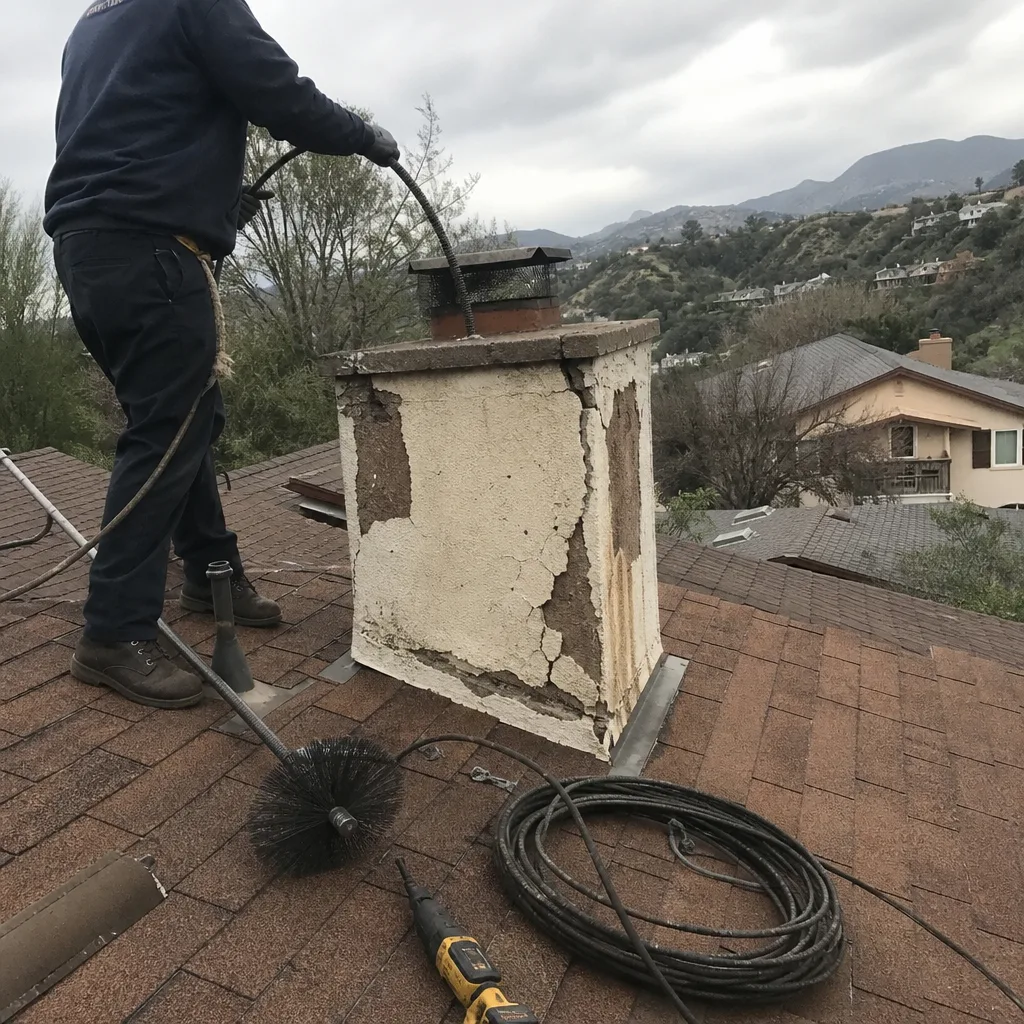 Before
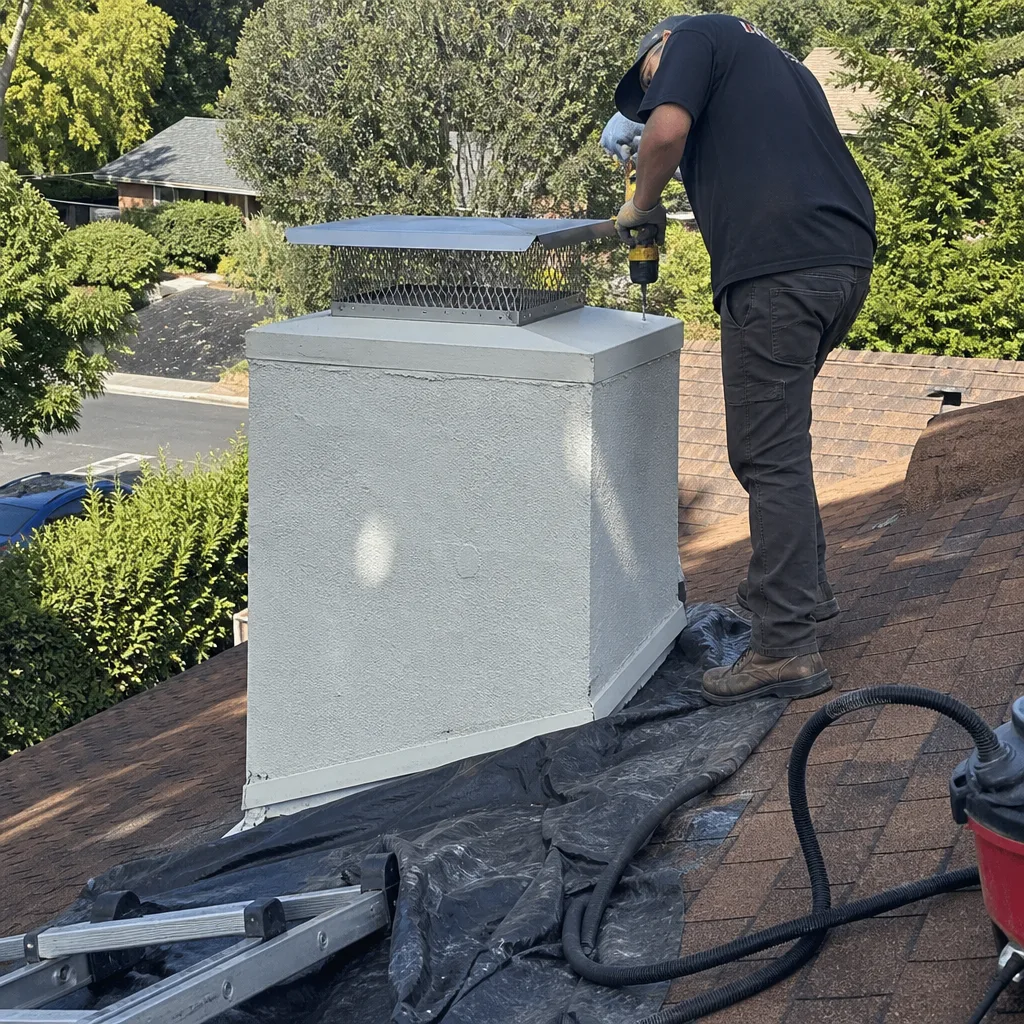 After
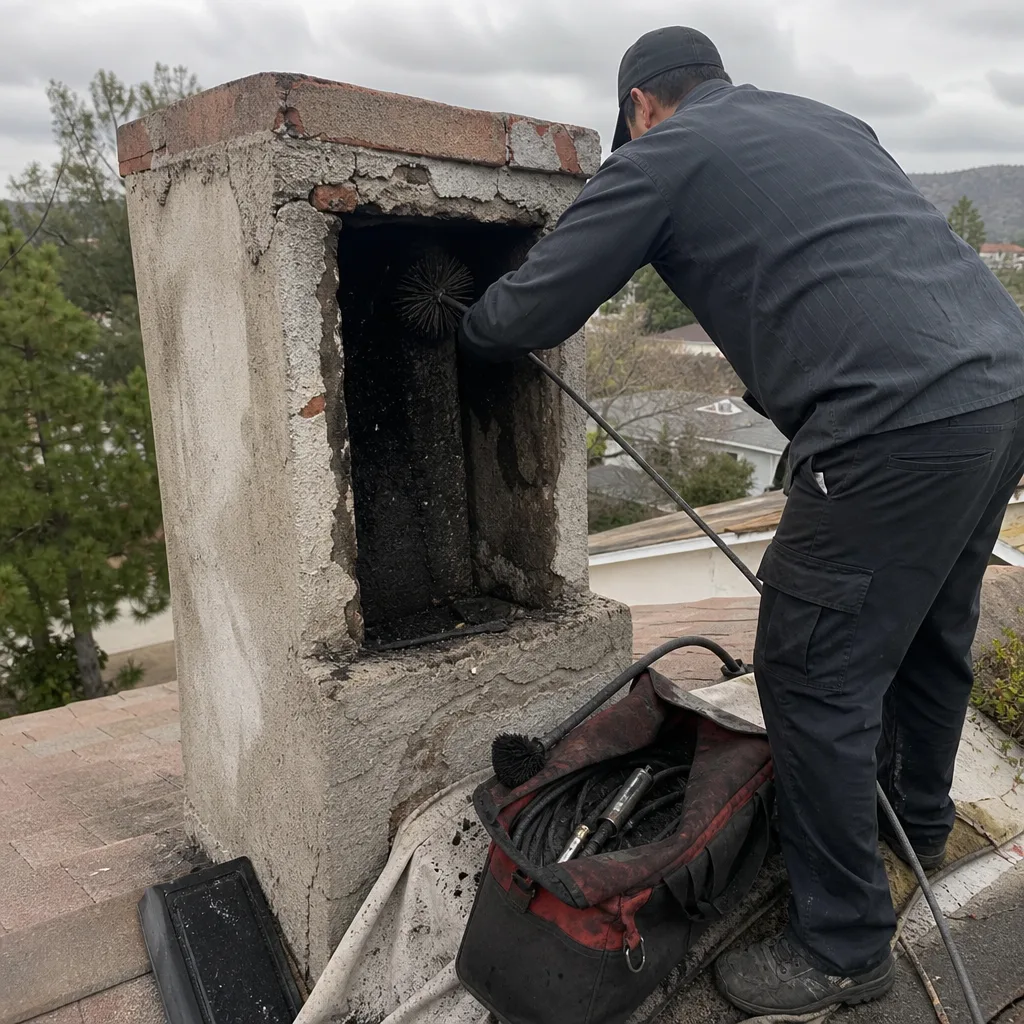 Before
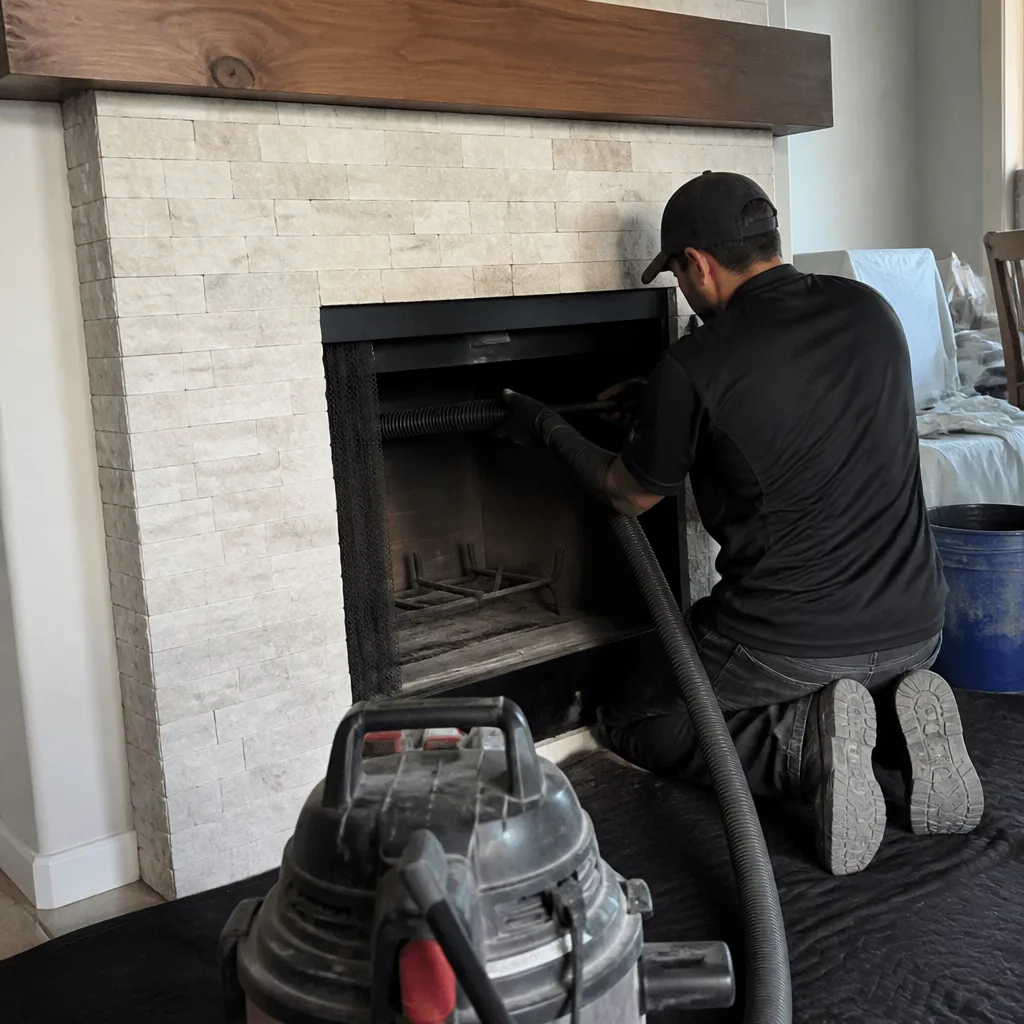 After
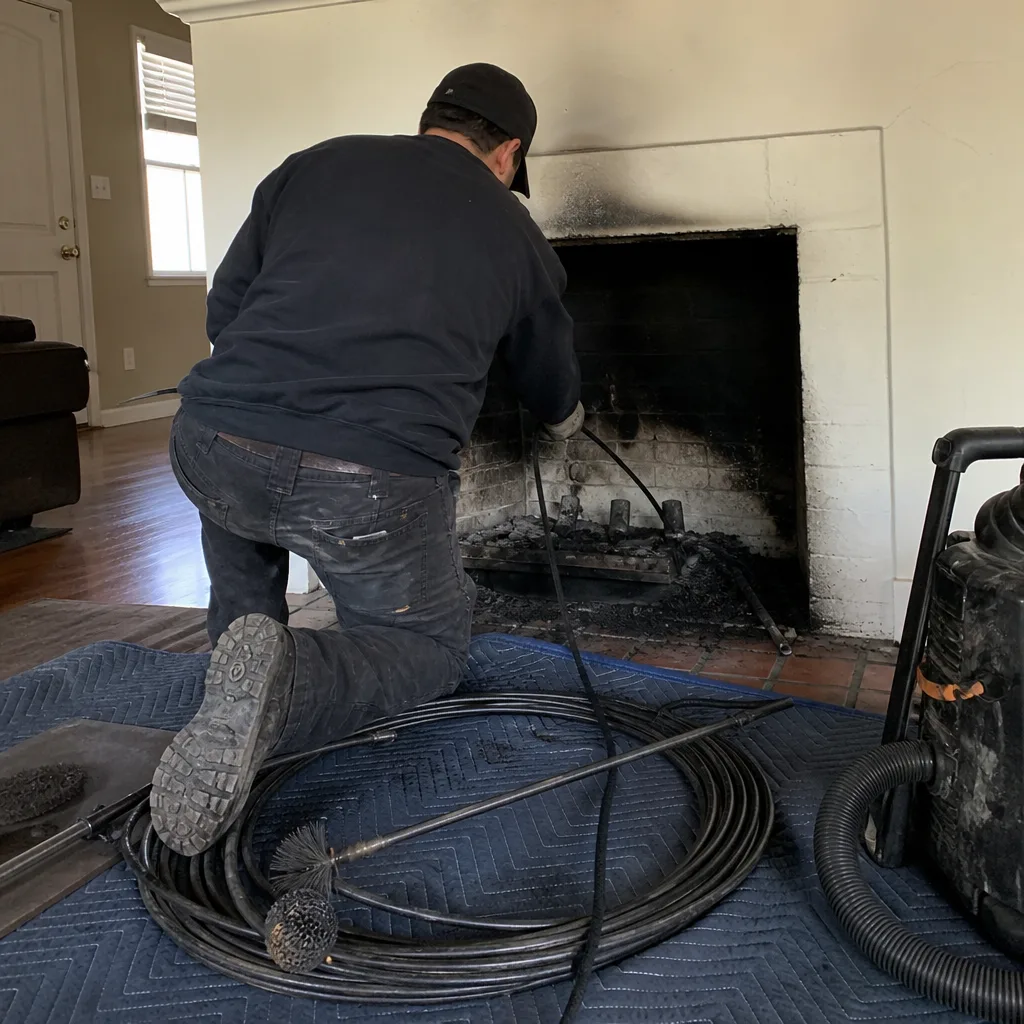 Before
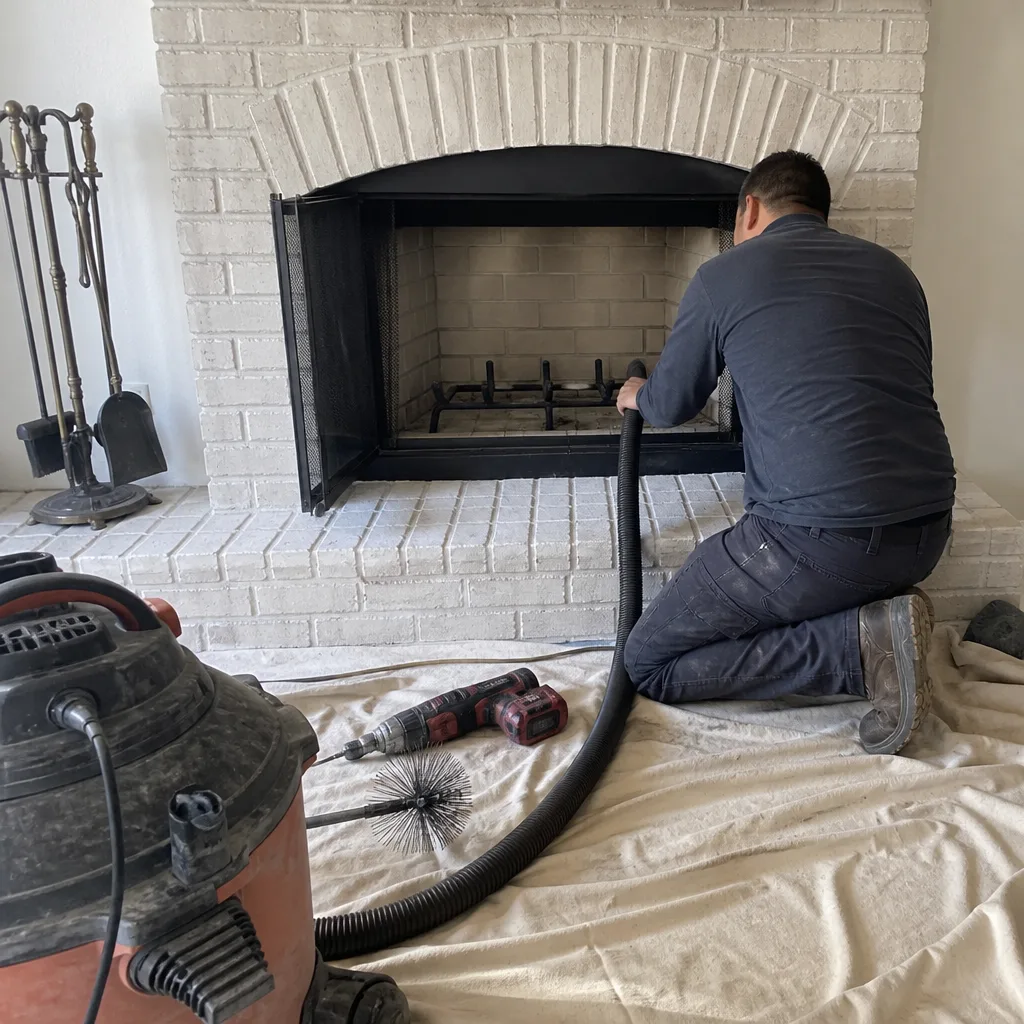 After
Frequently Asked Questions
Annual inspection is the baseline. How often you need an actual cleaning depends on burn frequency and wood type, but the NFPA recommends cleaning whenever creosote buildup reaches 1/8 inch, and most Glendale wood-burning homeowners reach that threshold in one to two burning seasons. Gas fireplace users can often go longer between cleanings but should still have the flue inspected annually for blockages and liner integrity.
A basic Level 1 sweep in Glendale typically runs $180 to $280. A Level 2 inspection with video scan runs $300 to $500. Stage 3 creosote removal adds $350 to $600 depending on severity. Full liner installations or resurfacing projects range from $3,000 to $9,000 depending on materials and chimney configuration. At Glendale Chimney Sweep, every quote is itemized and material-specific before any work is scheduled.
CSIA Certified Chimney Sweep and NFI (National Fireplace Institute) certification are the two credentials that actually indicate chimney-specific training. Both are independently verifiable through online directories. California has no state licensing requirement for chimney sweeps, so certification is the only meaningful signal of competence in this field.
You should never accept a liner replacement recommendation without seeing the camera footage that justifies it. A legitimate contractor will show you the cracked tiles, the spalled surface, the gaps at joints, and explain exactly why the liner has failed. If you’re being told you need a full reline without video evidence, get a second opinion before spending thousands. In many cases, less invasive options like HeatShield resurfacing can restore a deteriorating flue without a full tear-out.
A Level 1 inspection is a visual check of accessible chimney components without a camera. A Level 2 inspection adds a video scan of the flue interior and is required when there’s been a change to the system, after an earthquake or chimney fire, or whenever a property changes hands. Most Glendale homes that have been through seismic events should have had a Level 2 inspection at minimum.
We don’t recommend it. The risk isn’t just the mess; it’s missing the specific dangers inside a flue that aren’t visible without a camera and trained eyes. Cracked liners, clearances to combustibles, and creosote stages all require professional assessment. The cost of a proper inspection is modest compared to what gets missed when a homeowner with a drill-attached brush does their own cleaning. Safety matters more than savings here.
The Bottom Line
Hiring a chimney cleaning contractor in Glendale means verifying certifications, testing knowledge with specific questions, and requiring documentation at every stage. The market is unregulated, which makes you the gatekeeper for your own home’s safety. Ask the five diagnostic questions. Check the CSIA and NFI directories. Read estimates line by line, and demand brand names for any materials being installed. Watch the camera footage. Keep the invoice. These steps separate a specialist from a brush-kit operator, and they don’t take much time. For more guides & resources, visit our blog. They do, however, determine whether you get a real inspection or a $79 soot shuffle. And in a city with Glendale’s earthquake history and dry climate, the difference matters more than most homeowners realize.
Written by the team at Glendale Chimney Sweep, serving Glendale since 2011.