Last updated October 30, 2026
 Sweep & inspection
 Caps & crowns
 Flue relining
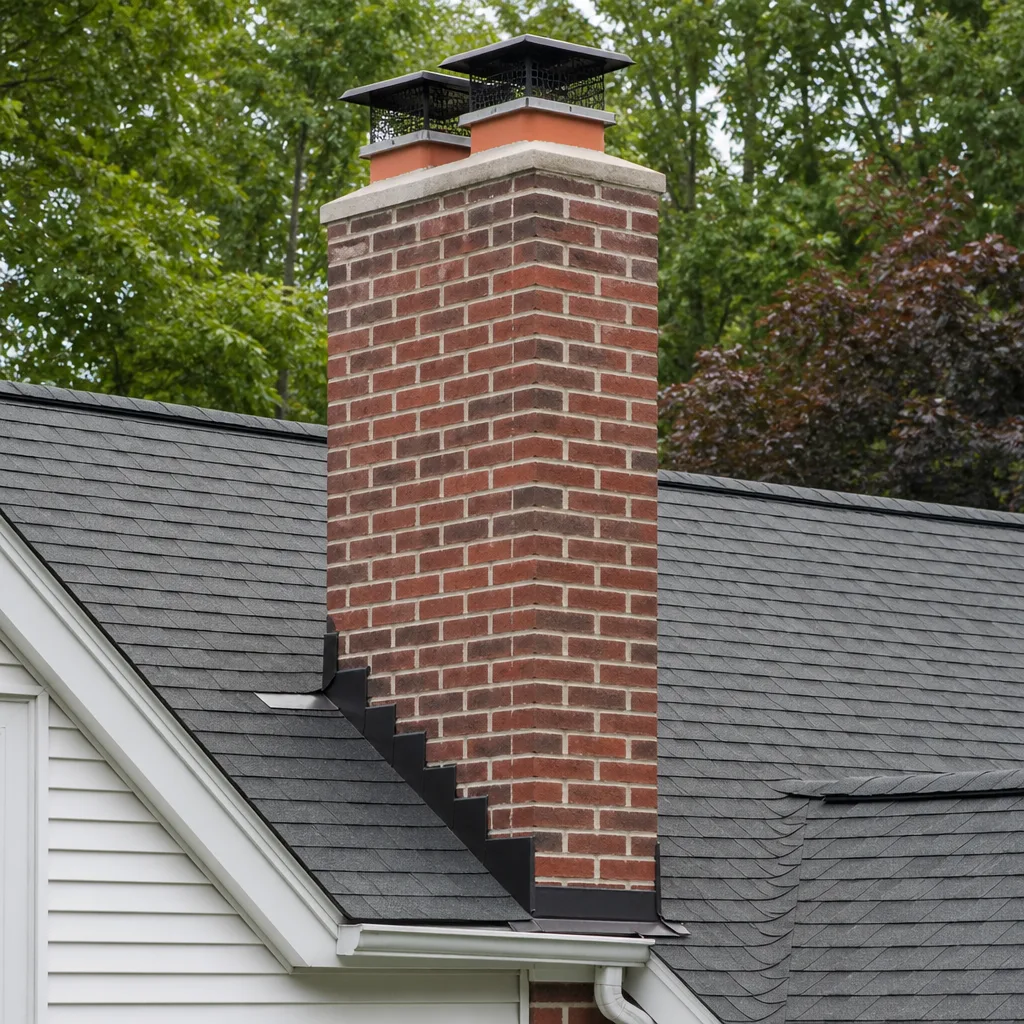 Masonry repair
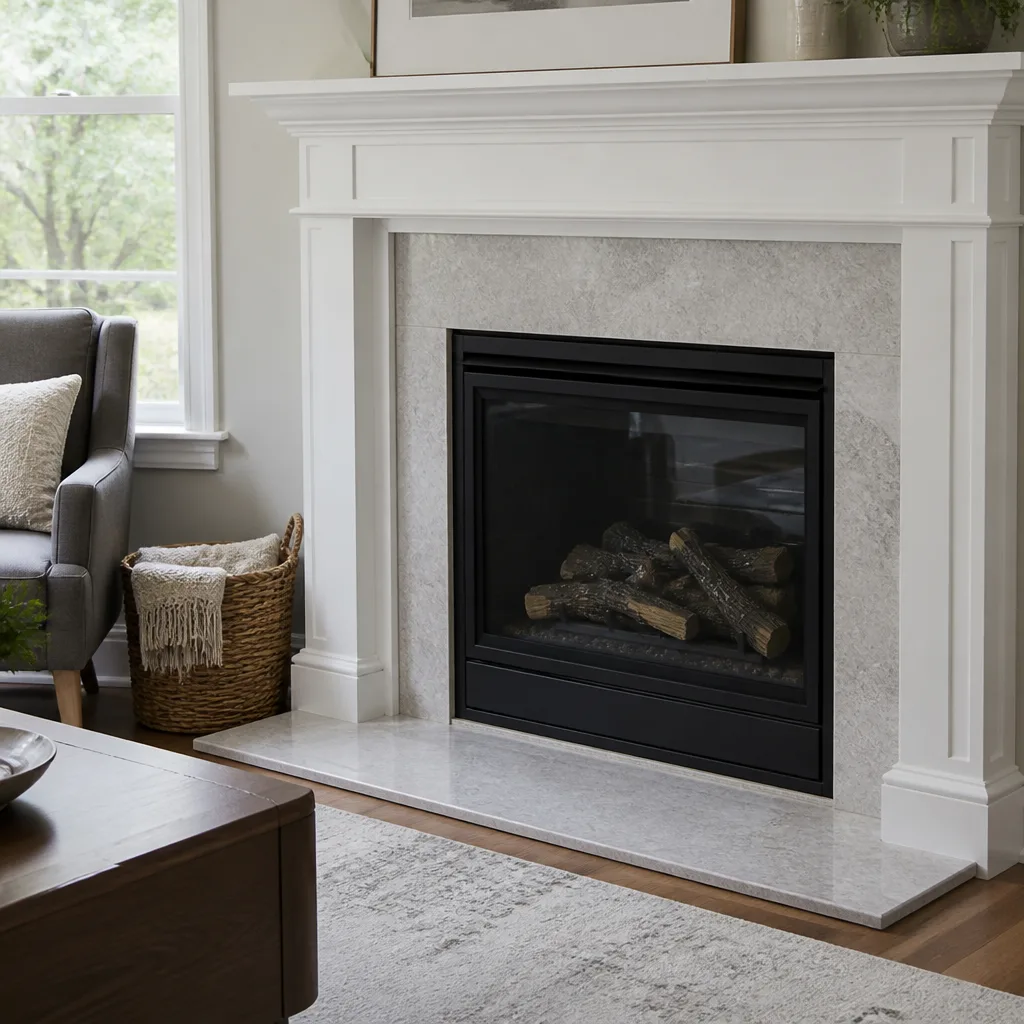 Gas fireplace service
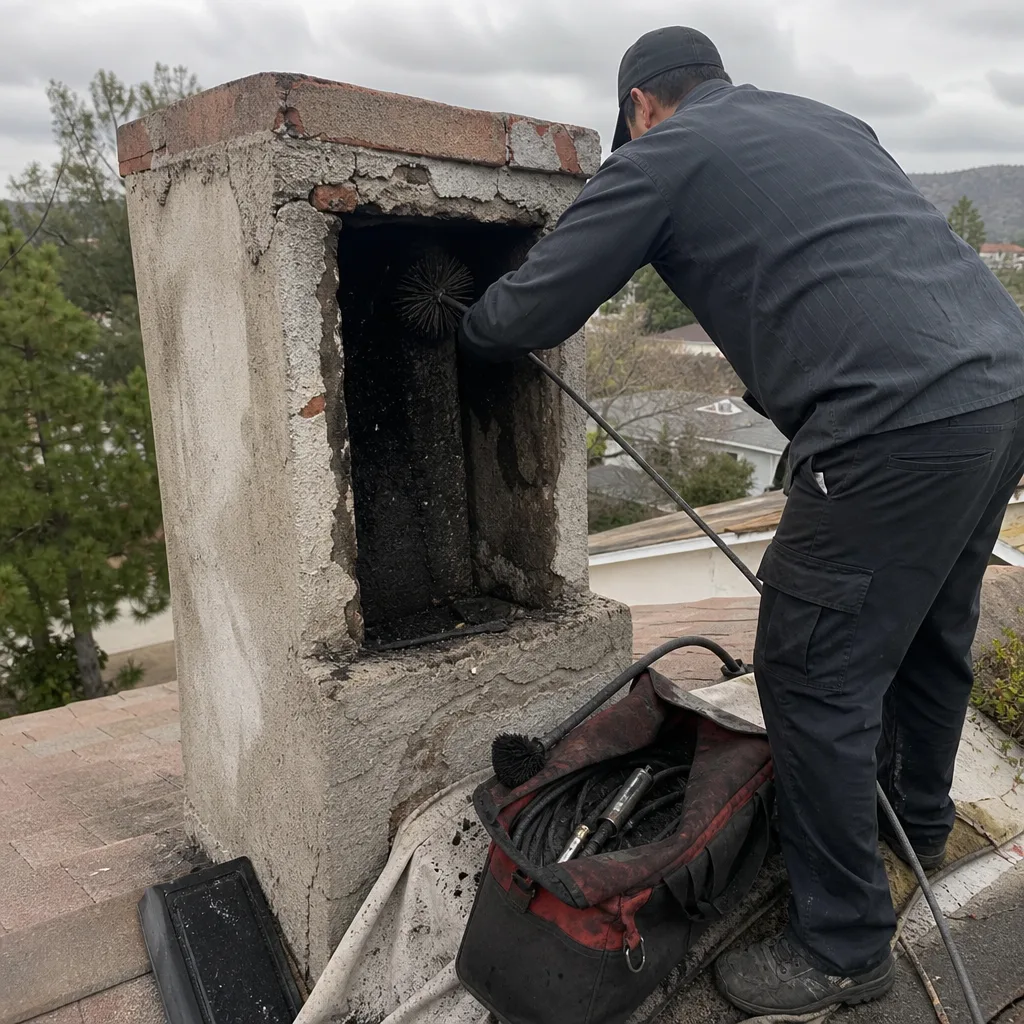
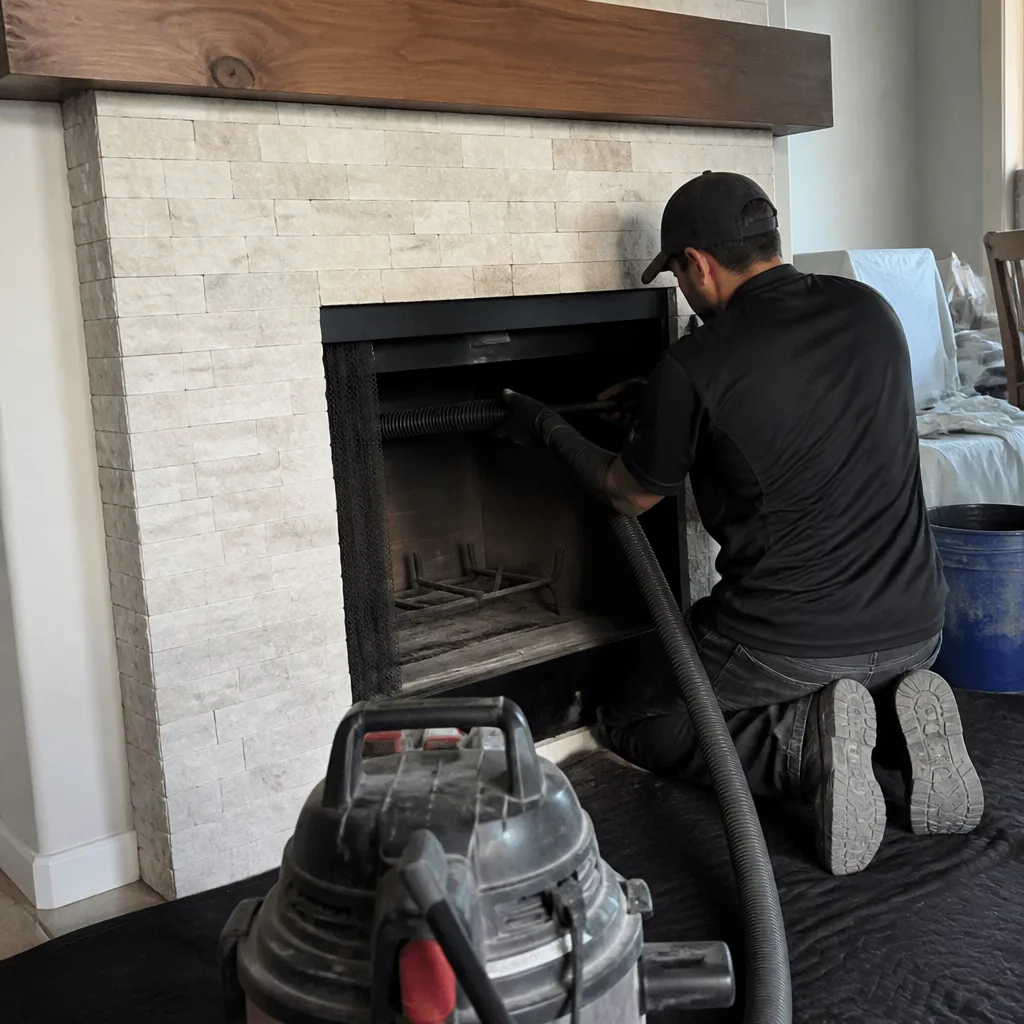
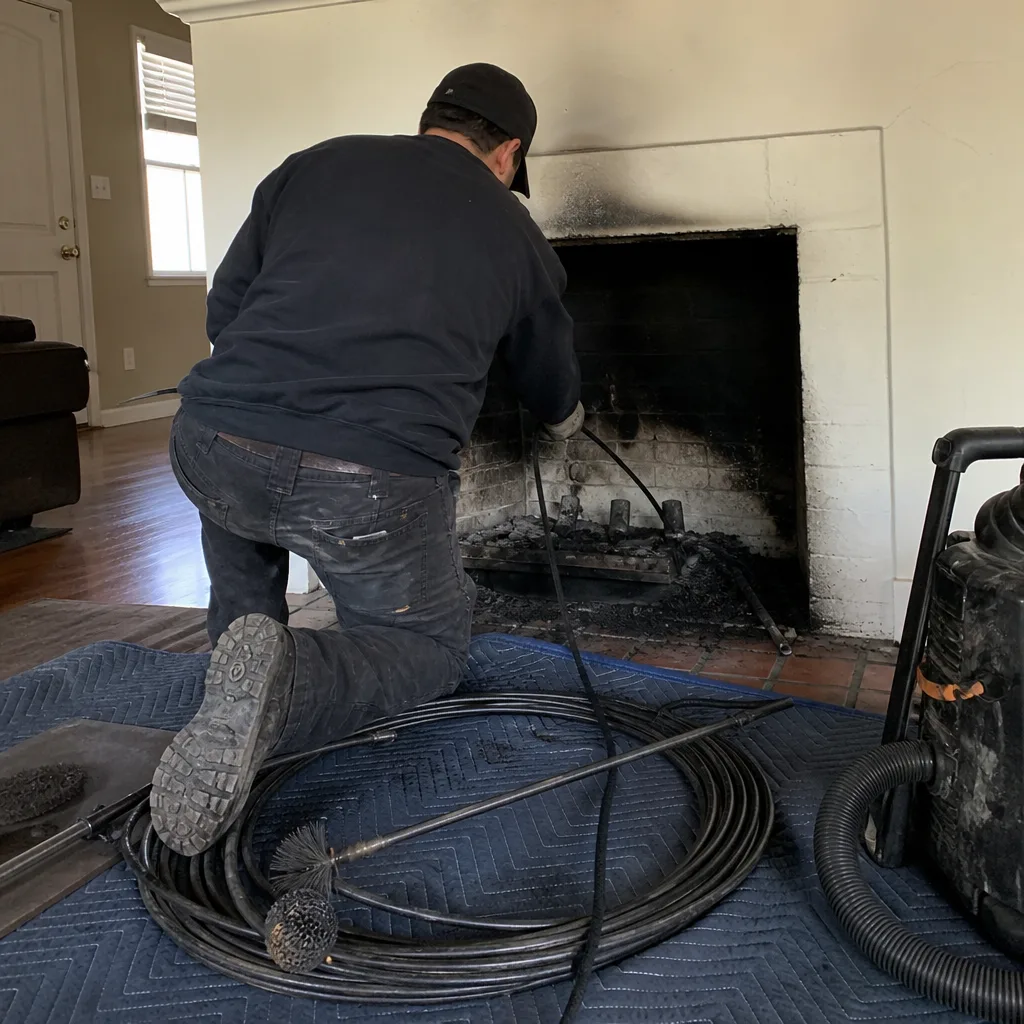
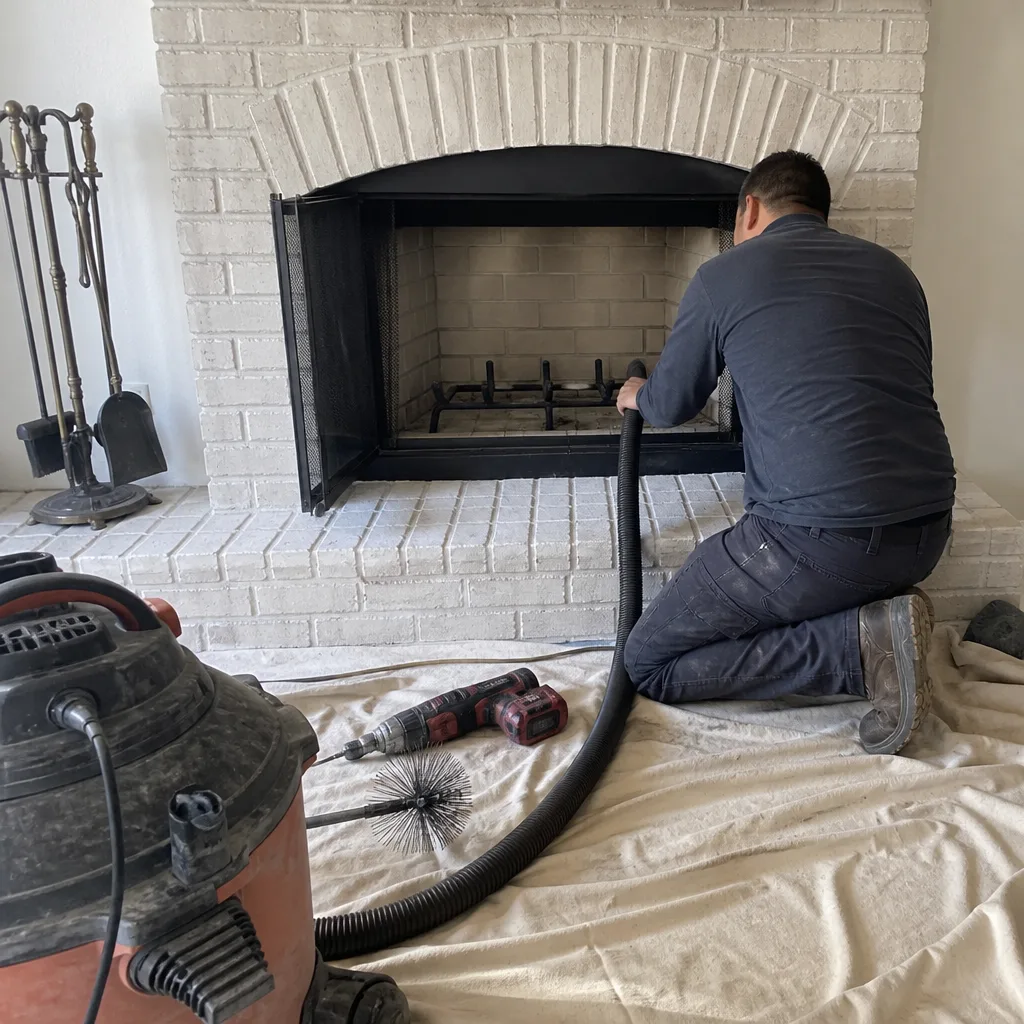
Level 1 sweep and inspection to the NFPA 211 annual standard - flue, crown, cap, and flashing checked and photographed
Chimney sweep logs do not sweep chimneys. They loosen some creosote - which then falls where a brush and vacuum still have to collect it.
Chimney Cleaning Emergency Preparedness Guide for Glendale Homes
Most Glendale homeowners think of chimney sweeping as a fall chore, something to check off before the first fire of the season. That’s a comfortable assumption, and it’s the wrong way to think about your fireplace if you live in the Very High Fire Hazard Severity Zone that covers much of this city. Your chimney is a vertical shaft that connects the hottest part of your home to the outside air. During a wildfire, that shaft becomes a path for embers. During a chimney fire, it becomes the thing standing between you and a house fire. This guide covers what actually matters: the specific components that fail, the pre-evacuation protocol you should follow, what to do when you return home, and how chimney maintenance fits into the broader defensible-space planning that Glendale’s fire risk demands. For Chimney Cleaning Warning Signs: A Glendale Homeowner’s Reference Guide, see our dedicated resource.
Styles & brands we work with
Quick Answer
Chimney emergency preparedness in Glendale means three things: keeping your flue free of creosote buildup that fuels chimney fires, maintaining a spark arrestor with mesh no larger than 1/4 inch to block wildfire embers, and knowing exactly what to do before and after an evacuation. Any chimney that has not been swept within the past 12 months, or that lacks a properly fitted spark arrestor cap, is a liability during fire season. The fix is a professional inspection and cleaning, which costs far less than the damage an ember intrusion or chimney fire causes. Review our Chimney Sweep Maintenance Checklist for Glendale Homeowners to stay on track.
Table of Contents
- Why Glendale Is Different: Fire Hazard Severity Zones and Your Chimney
- Chimney Fire vs. Wildfire Ember Intrusion: Two Different Emergencies
- The Three Components That Matter Most for Ember Resistance
- Pre-Evacuation Chimney Protocol: A Step-by-Step Checklist
- What to Do After You Return Home: Post-Evacuation Inspection
- If You Have a Chimney Fire: The Emergency Sequence
- Integrating Chimney Inspection with Defensible Space Planning
- Common Mistakes to Avoid
- When to Call a Professional
- Frequently Asked Questions
- The Bottom Line
Why Glendale Is Different: Fire Hazard Severity Zones and Your Chimney
Glendale sits in a geography that fire scientists study closely. The Verdugo Mountains rise along the city’s northern edge, the San Rafael Hills run through the center, and the San Gabriel Mountains loom to the east. Steep slopes, dense chaparral, and the Santa Ana winds that arrive every autumn create conditions that have shaped local building codes and fire response for decades. The California Department of Forestry and Fire Protection, CAL FIRE, classifies large portions of Glendale as a Very High Fire Hazard Severity Zone, or VHFHSZ. That designation is not bureaucratic paperwork. It changes what you are legally expected to maintain on your property.
When the 2018 Woolsey Fire burned through Los Angeles and Ventura counties, investigators found that spark arrestor failures on chimneys were a contributing ignition vector on multiple structures. A spark arrestor is the metal mesh screen built into or installed on top of a chimney cap. Its job is simple: allow smoke and hot gases to escape while preventing burning embers from leaving the chimney during normal use, and preventing wind-driven embers from entering during a wildfire. When the mesh is missing, corroded, or has openings larger than 1/4 inch, embers pass through. Once an ember lands in a creosote-lined flue or on a combustible roof component, the structure becomes a statistic.
This is the context that most generic chimney maintenance articles miss. For Glendale homeowners, chimney sweeping is not just about preventing a chimney fire during fireplace use. It is about reducing the number of available fuels inside the flue that an intruding ember could ignite. It is about making sure the spark arrestor is present, correctly sized, and in good condition. It is about closing off a known vulnerability in the home hardening checklist that CAL FIRE publishes for VHFHSZ properties. The Glendale Chimney Sweep home page covers the full scope of what a professional evaluation includes.
Chimney Fire vs. Wildfire Ember Intrusion: Two Different Emergencies
Homeowners often conflate two very different fire scenarios. A chimney fire starts inside your chimney, typically from creosote buildup igniting during normal fireplace use. A wildfire ember intrusion starts outside, when a wind-driven ember enters your chimney from above during an active wildfire event. Both are dangerous. Both can be mitigated with proper maintenance. But the preparation and response are different, and understanding the distinction shapes everything about how you maintain your chimney.
A chimney fire announces itself. You will hear a sound some describe as a freight train or a low, rumbling roar coming from the flue. You may see flames or dense smoke venting from the chimney top. In severe cases, you may hear cracking as masonry shifts under thermal stress. The fire generates extreme heat, often exceeding 2,000 degrees Fahrenheit inside the flue, which is enough to crack clay liners, warp metal liners, and spread to surrounding framing through a process called thermal energy transfer. When the fire reaches a crack in the liner and finds framing, you now have a structure fire that started inside a wall cavity.
An ember intrusion during a wildfire works more slowly and silently. A burning ember, sometimes no larger than a pencil eraser, gets carried by wind into an unprotected or poorly capped chimney. It drops down the flue and lands somewhere: on a creosote shelf, on accumulated debris, or against a deteriorating liner. If it finds fuel, it smolders. Hours can pass, sometimes well after the main fire front has moved through, before the smolder transitions to active flame. This is why fire crews search structures for hidden ember ignition points after a wildfire passes, and why Glendale homeowners should check and clean their chimneys after any nearby fire event, even if the house was not touched by direct flame.
The overlap between the two scenarios is creosote. Creosote, a byproduct of incomplete wood combustion, coats the inside of the flue as a tar-like, sometimes flaky or glazed substance. It is highly combustible. The Chimney Sweep in Glendale page explains how professional sweeping removes creosote at all three stages of buildup, including the glazed third-stage deposits that require mechanical removal. A clean flue strips both failure modes of their fuel source.
The Three Components That Matter Most for Ember Resistance
If you want to harden your Glendale home against wildfire, focus on three chimney components. All three are inexpensive relative to the cost of a structure fire. All three are routinely neglected.
1. Spark Arrestor Mesh Specification
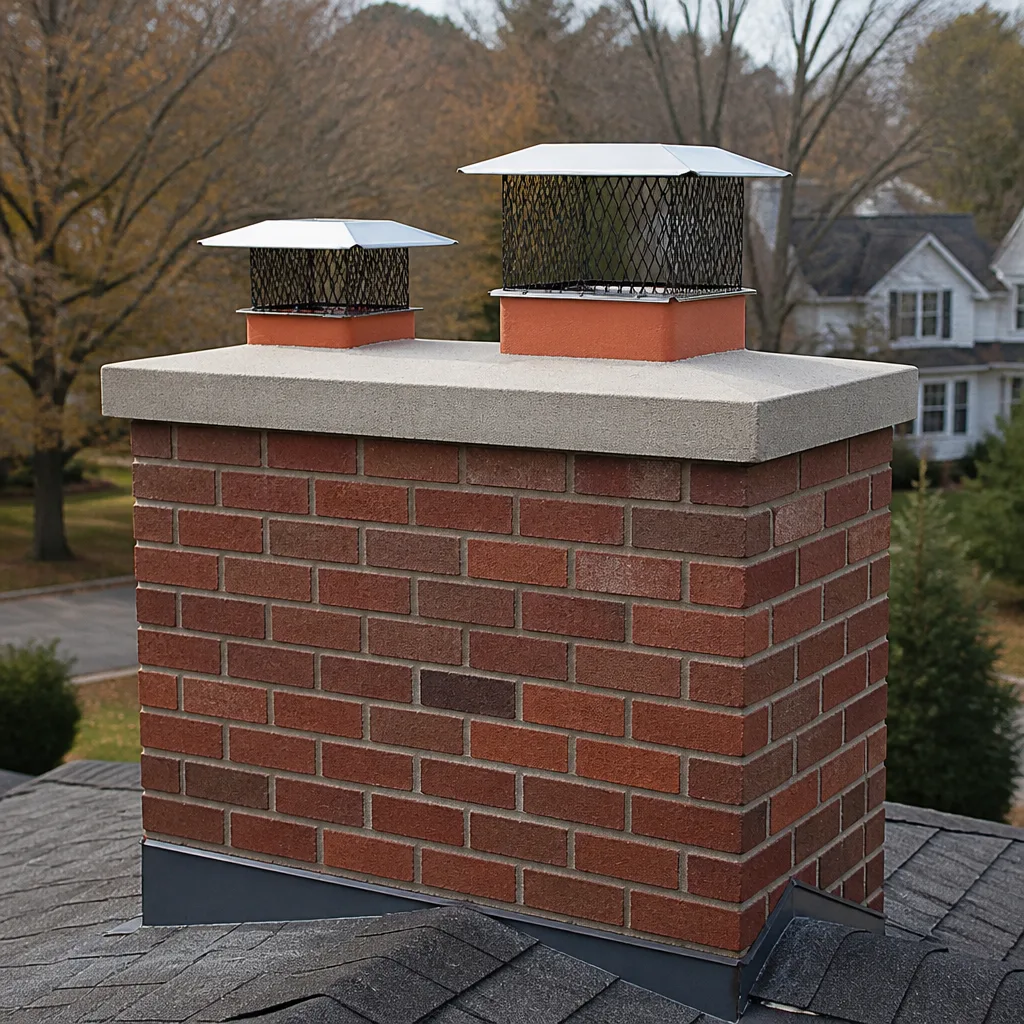
California Fire Code requires spark arrestors on chimneys serving fireplaces and wood-burning stoves, with mesh openings that do not exceed 1/4 inch. The rationale is straightforward: 1/4-inch mesh blocks the majority of wind-driven embers that would otherwise enter the flue, while still allowing adequate draft for combustion gases. Corrosion is the common failure mode. Salt air is not a factor in Glendale, but years of hot exhaust, weather exposure, and the sulfuric compounds in combustion gases eat away at standard galvanized mesh over time. We recommend stainless steel mesh when replacing a spark arrestor. Stainless withstands the exhaust environment far longer than galvanized. When we install caps for Glendale homeowners, we specify components from manufacturers like Copperfield, whose stainless arrestor mesh meets California Fire Code without question.
2. Cap Fit Integrity
An arrestor is only as effective as the cap it is attached to. If the cap does not fit the flue tile securely, or if it has pulled loose from the crown masonry over years of wind loading, gaps form. Gaps create two problems: embers can bypass the mesh entirely, and larger debris such as leaves and bird nesting material can enter. The second problem is not trivial. Dry leaves and twigs inside a flue are kindling. A single ember landing on a bird’s nest that was built under a loose cap has everything it needs to start a fire inside your chimney. During routine inspections, we check cap fit by physically testing the attachment and examining the flue tile to cap mating surface. A cap that moves by hand is not doing its job.
3. Damper Seal
The damper is the metal plate inside the throat of the fireplace that opens and closes to regulate airflow. When fully closed, it should seat firmly against the frame, creating a barrier between the living space and the flue above. Reality rarely matches the design. Dampers warp over years of heat cycling. Frames corrode. Soot and creosote buildup prevent full closure. The result is a gap, sometimes a wide one, that permits embers to drop from the flue into the firebox. A closed damper is not sufficient protection during active ember exposure. The gap at the throat is the last line of defense that fails when the damper is compromised. If you can look up past your closed damper and see daylight, you have a gap that needs attention. This is part of any comprehensive Chimney Repair in Glendale evaluation.
Pre-Evacuation Chimney Protocol: A Step-by-Step Checklist
When a wildfire is approaching Glendale and an evacuation order or warning is issued, you will have limited time. Your mental bandwidth will be consumed by bigger decisions: what to pack, where to go, which routes are open. A chimney checklist should be automatic, something you have rehearsed and can execute in under five minutes. Here it is.
The Five-Minute Pre-Evacuation Chimney Checklist
- Close the damper fully. If the damper is in good working order, this creates a metal barrier between the living space and the flue. Understand its limitation: a closed damper is a first line of defense, not a complete seal. If your damper is missing, warped, or does not fully close, note this during your next professional inspection.
- Close the fireplace doors or install the screens. Glass fireplace doors, if you have them, add a second barrier. Mesh screens are better than nothing but do not block embers. At a minimum, close glass doors and latch them if a latch exists.
- Remove combustible materials from the hearth area. This includes firewood, kindling, newspapers, fabric, and decorative items. Move them at least several feet from the firebox opening. If the worst happens and embers enter the home, you do not want a pile of seasoned kindling in the landing zone.
- Do NOT spray water down the chimney. This should be obvious, but it happens. Water on a hot masonry surface can cause thermal shock and crack structural components. Water inside a flue creates slurry with creosote and ash that is difficult to remove later. The chimney is not a garden hose target.
- Close all windows and interior doors. Ember intrusion through an open window is a far more common ignition point than chimney intrusion. Reducing airflow through the home also reduces the draft pulling smoke and embers toward the chimney.
- If time permits, verify the spark arrestor is in place from ground level. Binoculars work. If you see an obviously missing cap or a visibly damaged arrestor, note it mentally. There is nothing to be done about it in the moment, but you should communicate the condition to the fire department if they are doing structure protection, and you should schedule an immediate repair upon your return.
One point worth stating plainly: a closed damper is not sufficient protection during active ember exposure. The damper sits at the bottom of the flue, and by the time an ember reaches it, the ember is already inside the chimney structure. A properly installed spark arrestor at the top, blocking embers before they enter, is the only component that actually prevents intrusion. The damper is a secondary defense. Treat it as such.
What to Do After You Return Home: Post-Evacuation Inspection
Returning home after an evacuation is disorienting. The landscape looks different. Ash is everywhere. You want to return to normal as quickly as possible. The urge to light a fire, to feel some sense of comfort and routine, is stronger than most people expect. Do not do it. Follow this sequence instead.
Post-Evacuation Chimney Inspection Sequence
- Visual exterior inspection from the ground. Look at the chimney structure. Is the cap still in place? Does the arrestor mesh appear intact? Are there visible cracks, leaning sections, or missing masonry? If you have a masonry chimney, pay attention to the crown at the top. A cracked crown permits water and embers to enter vulnerable areas.
- Check the firebox and roof area for ash accumulation. A light dusting of ash inside the firebox is expected after a nearby fire. What you are looking for is heavier accumulation, charred material, or anything that looks like burned debris rather than household ash. Use a flashlight and look carefully.
- Do not sweep or vacuum the firebox before documenting it. If there is evidence of ember intrusion, you may want it documented for insurance purposes. Photograph the firebox and damper area before disturbing anything.
- Schedule a professional inspection before the first fire. Even if everything looks fine from outside, the inside of the flue is the question. Creosote that was already present may have been altered by heat exposure. Ash and debris may have collected on creosote shelves inside the flue. A professional sweep and inspection confirms whether the system is sound. This is the service we provide through Chimney Sweep in Glendale, and it is the single most important step in this sequence.
We have seen Glendale chimneys that looked fine from the ground but held an ember smolder on a creosote accumulation inside the flue, discovered only because the homeowner called for a sweep before their first post-fire use. In one case, the ember had landed on a third-stage glazed creosote deposit and was still warm when we opened the flue a day after the homeowner returned. The outcome could easily have been a structure fire, and the only reason it was not was the homeowner’s caution.
If You Have a Chimney Fire: The Emergency Sequence
This section is the one you hope you will never need. Read it anyway. Knowing the sequence in advance is the difference between a contained incident and a destroyed home. The sound is the tell: a loud, rumbling roar like a train or a jet engine coming from the chimney, often accompanied by visible flames from the chimney top and dense, dark smoke.
What to Do During a Chimney Fire
- Get everyone out of the house immediately. Do not stop to gather belongings. Do not try to fight the fire. A chimney fire can transition to a structure fire in minutes when the liner cracks and the fire reaches framing. The time you have is measured in minutes, not hours.
- Call 911 from outside the house. When you call, be specific. Tell the dispatcher: “I have a chimney fire.” Give your exact address and tell them whether you saw flames from the chimney top, whether you heard the roaring sound, and whether anyone is still inside. The dispatcher will dispatch a fire engine response appropriate for structure fire potential, not a routine call.
- Close the damper if you can do so safely. This is the only action you should attempt before evacuating, and only if you can do it in seconds without reaching into the flame zone. Closing the damper reduces the oxygen supply to the firebox and can slow the fire. If there is any hesitation, skip it and get out.
- Do NOT use water on the firebox or chimney. Water in a hot chimney can cause explosive steam expansion that cracks liners and masonry. Water on a hot masonry structure causes thermal shock. This is not a campfire, and the correct response is professional fire suppression.
- If you have a dry chemical fire extinguisher rated for Class A fires, use it at the firebox opening only if the fire is small and contained to the firebox. Aim at the base of the flames, not up the chimney. The moment you are uncertain, evacuate. Nothing you own is worth a roof collapse.
- After the fire department leaves, do not use the fireplace again until a certified professional has inspected the entire system. This is not optional. A chimney fire changes the structural integrity of the flue. Liners crack. Masonry shifts. Mortar joints fail. The system that was safe before the fire is not safe after it, even if it looks okay from the outside. Post-fire inspection is mandatory before any reuse.
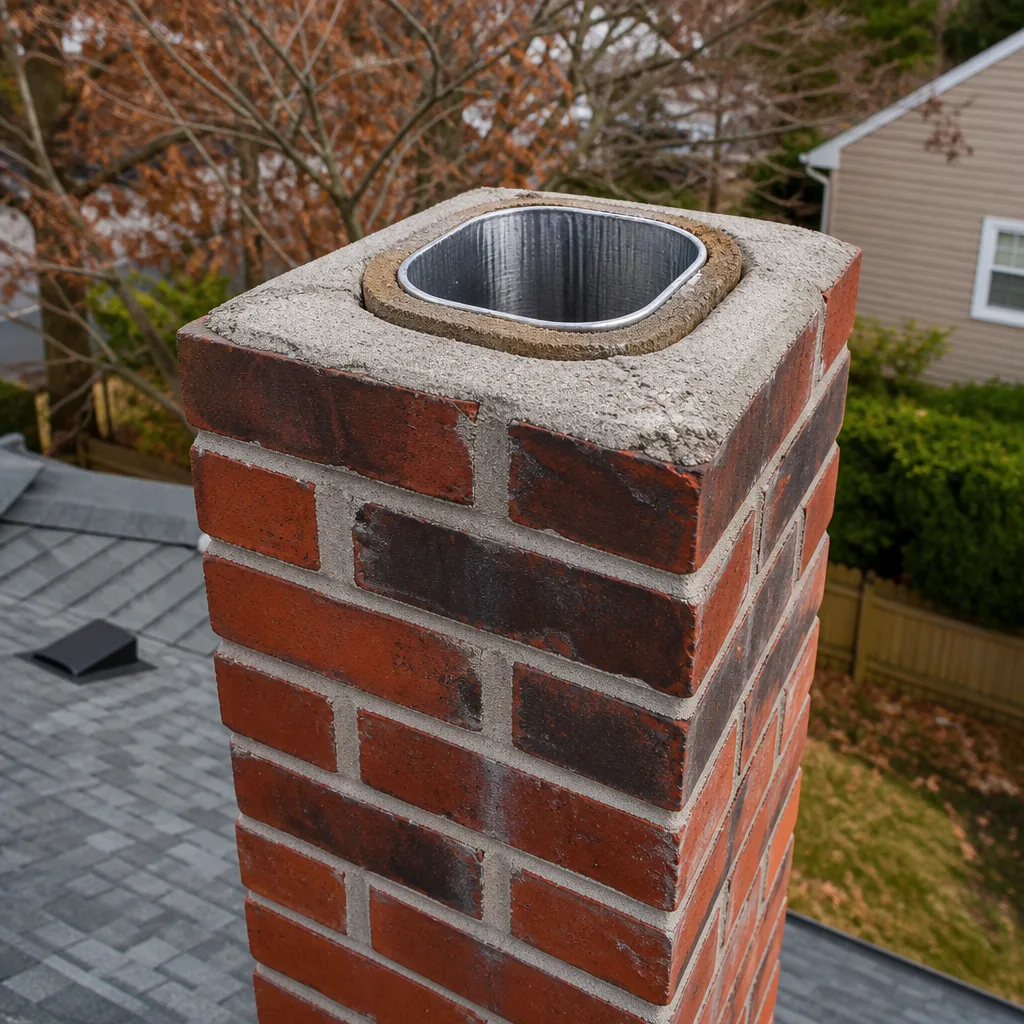
The structural inspection after a chimney fire is not a standard sweep. It requires a level of evaluation that most generalist handymen are not equipped to perform. We inspect for radial cracks in clay liners, warping in metal liners, compromised mortar joints, and heat damage to surrounding framing. When a liner is damaged, repair options include full relining or HeatShield resurfacing, a system we install that re-coats deteriorating clay liners without requiring a full tear-out. HeatShield is one of the specific product lines we work with because it addresses the exact type of damage chimney fires cause.
Integrating Chimney Inspection with Defensible Space Planning
CAL FIRE publishes home hardening and defensible space guidelines that Glendale homeowners in VHFHSZ zones are expected to follow. The guidelines cover roofing materials, eave construction, venting, siding, and vegetation management. The chimney is a distinct item on the hardening checklist, and it deserves the same level of attention as your roof and your yard.
Defensible space is typically divided into zones. Zone 0, the first five feet from the structure, is where the most aggressive vegetation management is required. It is also where chimney-related maintenance intersects with landscape work. Dead leaves, pine needles, and debris that accumulate in gutters and on the roof are the same materials that can enter a chimney when they migrate. A chimney cap with a properly fitted arrestor keeps that debris out, but only if the cap is actually there and actually fitted. We regularly find chimneys in Glendale that have lost their caps entirely, with nothing covering an open flue. That open flue is an entry point for both debris and embers.
The second area of integration is the roof itself. CAL FIRE classifies roofs by their material fire rating. A Class A roof assembly provides the highest resistance to flame spread and ember penetration. But the chimney penetrates the roof, and the penetration point is a known vulnerability. The flashing that seals the chimney to the roof deck must be intact. Gaps in flashing permit embers to reach the combustible underlayment. During chimney inspections, we evaluate the flashing condition and the chimney-to-roof interface, because a chimney sweep cannot be separated from the roof penetration it relies on.
The third area is the surrounding tree canopy. Glendale has mature trees, including many oaks and eucalyptus that extend over rooflines. An overhanging branch that accumulates dead material is both a ladder fuel that can bring fire to the roof and a source of debris that enters the chimney. When we sweep chimneys, we often find a collection of leaves, needles, and twigs that entered because a tree canopy hangs over the flue. The homeowner’s defensible space plan should include tree limb clearance of at least ten feet from the chimney opening, and more where the fire hazard zone classification calls for it.
What about dryer vents in all of this? The same ember risk that applies to chimneys applies to any roof or exterior wall penetration on your home. A dryer vent is an opening to the outside, and lint is highly combustible. If your dryer vent terminates on an exterior wall beneath a roof overhang, embers can collect against it. If the vent has no backdraft damper or the damper is stuck open, embers have a path inward. The Dryer Vent Cleaning in Glendale service addresses the lint accumulation that turns a minor ember intrusion into a wall cavity fire. It is part of the same home hardening mindset, and it is a service most chimney sweeps do not offer.
Common Mistakes to Avoid
- Treating a closed damper as ember protection. The damper sits at the bottom of the flue. By the time an ember reaches it, the ember is already inside your chimney. The arrestor at the top is the only component that blocks entry, not the damper.
- Skipping the annual sweep because the fireplace was unused last season. Creosote does not reset just because you did not burn. Existing deposits remain, dry out, and become more flammable. Wildlife may have built nests in the flue during the off-season. An unused chimney is not a clean chimney.
- Installing a general-purpose cap without a proper arrestor mesh. A decorative cap with oversized mesh openings or no mesh at all satisfies aesthetics and nothing else. California Fire Code requires 1/4-inch maximum openings. If your cap does not meet that specification, it should be replaced.
- Using a wire brush and a drill to “clean” the chimney yourself. DIY sweeping does not remove glazed creosote, does not reveal liner cracks, and frequently damages flue tiles. We have repaired chimneys that homeowners damaged with improvised sweeping tools. Professional-grade equipment and training exist for a reason.
- Waiting until the first cold snap to schedule a sweep. In Glendale, fall sweeping appointments fill quickly. Homeowners who wait until the first week of November often wait weeks for an appointment. Scheduling in late summer or early fall ensures the chimney is clean and inspected before fire season and heating season both peak.
- Assuming a gas fireplace does not need chimney maintenance. Gas appliances produce less obvious residue than wood fires, but they still produce combustion byproducts, and the flue still needs to be free of obstruction. Animals, debris, and corrosion do not care whether your fireplace burns wood or gas.
- Dismissing a small crack in the cap or arrestor as cosmetic. Cracks widen. Mesh tears spread. In a wind-driven ember event, the small gap you ignored becomes the path of entry. The economics are simple: a new cap costs a couple hundred dollars. A house fire costs everything.
When to Call a Professional
Any of the following should trigger a call to a professional chimney company: you have not had a sweep in the past 12 months; you see visible creosote buildup exceeding 1/8 inch inside the flue; you hear the roaring sound of a chimney fire; you return from an evacuation and cannot confirm the chimney is clean and undamaged; you notice a missing or damaged cap; your damper does not fully close; you see water staining on the ceiling near the chimney; or you have any doubt about the condition of the system before fire season. The cost of a professional evaluation is trivial compared to the cost of being wrong. Glendale Chimney Sweep offers free estimates in Glendale, call (833) 467-6493.
Frequently Asked Questions
Annual sweeping is the minimum standard for homes that burn wood with any regularity, and the National Fire Protection Association recommends an inspection whenever a chimney is used. Homes that burn green or unseasoned wood, or that use the fireplace as a primary heat source, may need sweeping more frequently. In Glendale’s fire hazard zones, we recommend an annual inspection at minimum, timed before the start of the burning season. Call (833) 467-6493 to schedule, and estimates are free.
A spark arrestor is a metal mesh barrier inside or attached to the chimney cap that blocks burning embers from leaving your chimney during normal use and blocks wind-driven embers from entering during a wildfire. California Fire Code requires mesh openings no larger than 1/4 inch. Stainless steel mesh lasts longer than galvanized under exhaust conditions. If the mesh is missing, corroded, or has larger openings, the arrestor is not doing its job.
You can buy a chimney brush at a hardware store, but DIY sweeping cannot remove glazed creosote, cannot identify liner cracks, and can damage flue tiles when done with improper tools. The risk-benefit calculation is poor. A professional sweep includes an inspection that identifies structural issues before they become emergencies. For Glendale homeowners in fire hazard zones, the stakes make DIY sweeping a false economy.
Depending on condition and scope, a professional chimney sweep and inspection in Glendale typically ranges from $175 to $350, with additional costs if creosote removal requires mechanical tools or the system needs repair work. Pricing varies by chimney condition, species of creosote, and any repairs identified during the inspection. We provide a flat-price sweep agreement before booking, so you know the exact cost in advance. Call (833) 467-6493 for a free estimate.
No. A closed damper reduces draft and slows ember movement into the living space, but it does not prevent embers from entering the chimney in the first place. That is the spark arrestor’s job, at the top of the flue. A closed damper is a secondary defense only, and it is only effective if the damper actually seals. Warped dampers with gaps provide almost no protection.
HeatShield is a specialized flue resurfacing system that repairs cracked, spalled, or deteriorating clay liners by applying a cementitious coating to the inside of the flue. It restores a continuous, insulated barrier without requiring a full relining tear-out. We are certified to install HeatShield, which makes us one of the few Glendale chimney companies that can offer this repair option. The alternative, full relining, is more invasive and often unnecessary when HeatShield is appropriate.
Yes, though the risks differ from wood-burning fireplaces. Gas fireplaces do not produce creosote, but the flue can still become blocked by nesting material, debris, or failed components. A blocked flue on a gas appliance creates carbon monoxide risk inside the home. During fire season, an uncapped gas flue presents the same ember intrusion vulnerability as a wood flue. Annual inspection applies to gas systems too.
The Bottom Line
Chimney emergency preparedness in Glendale is not about extra credit. It is about closing a known vulnerability in a city where wildland fire is a recurring reality. The four actions that matter are sweep annually to remove fuel, maintain a proper 1/4-inch spark arrestor to block embers, know your pre-evacuation and post-evacuation protocols, and understand exactly what to do if a chimney fire starts. The cost of these measures is hundreds of dollars. The cost of ignoring them starts with a house fire and goes up from there. Browse our more guides & resources to keep your home protected year-round.
Written by the team at Glendale Chimney Sweep, serving Glendale since 2011.
See the difference
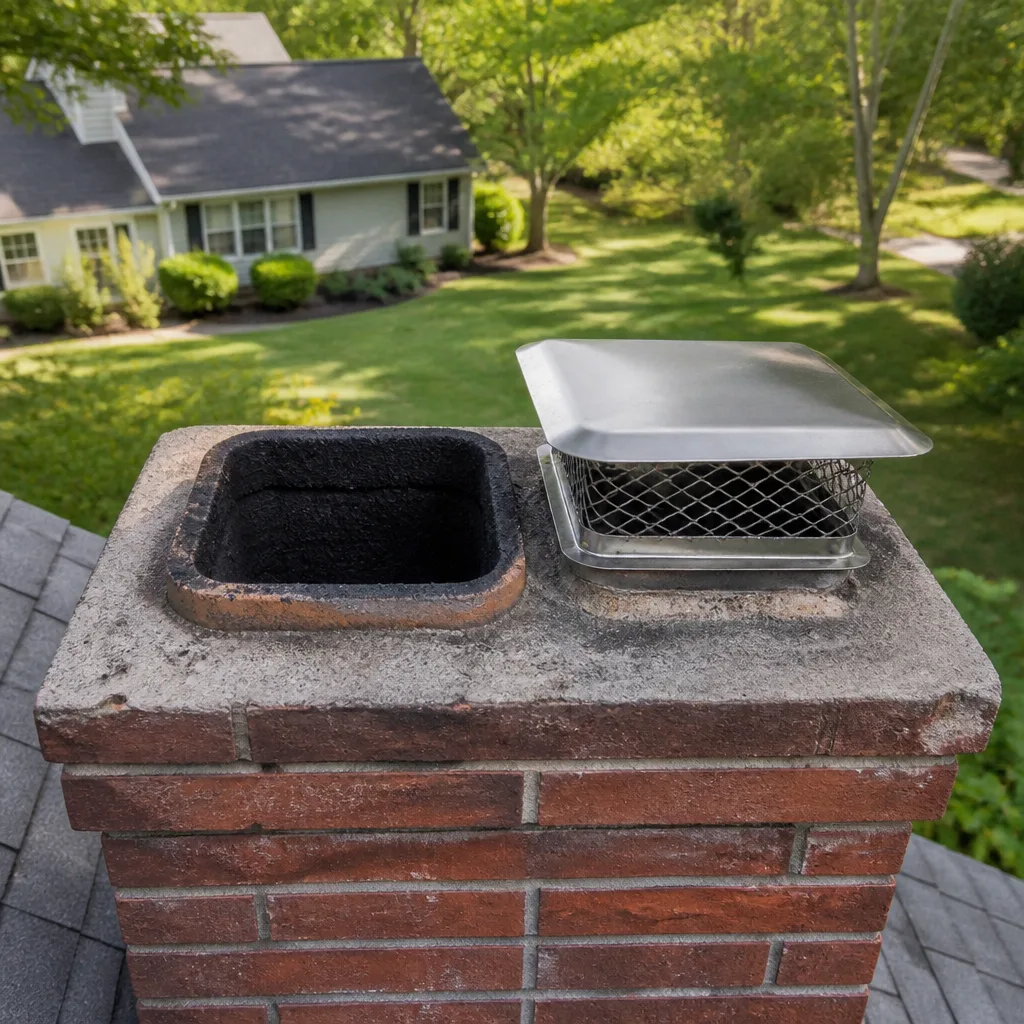
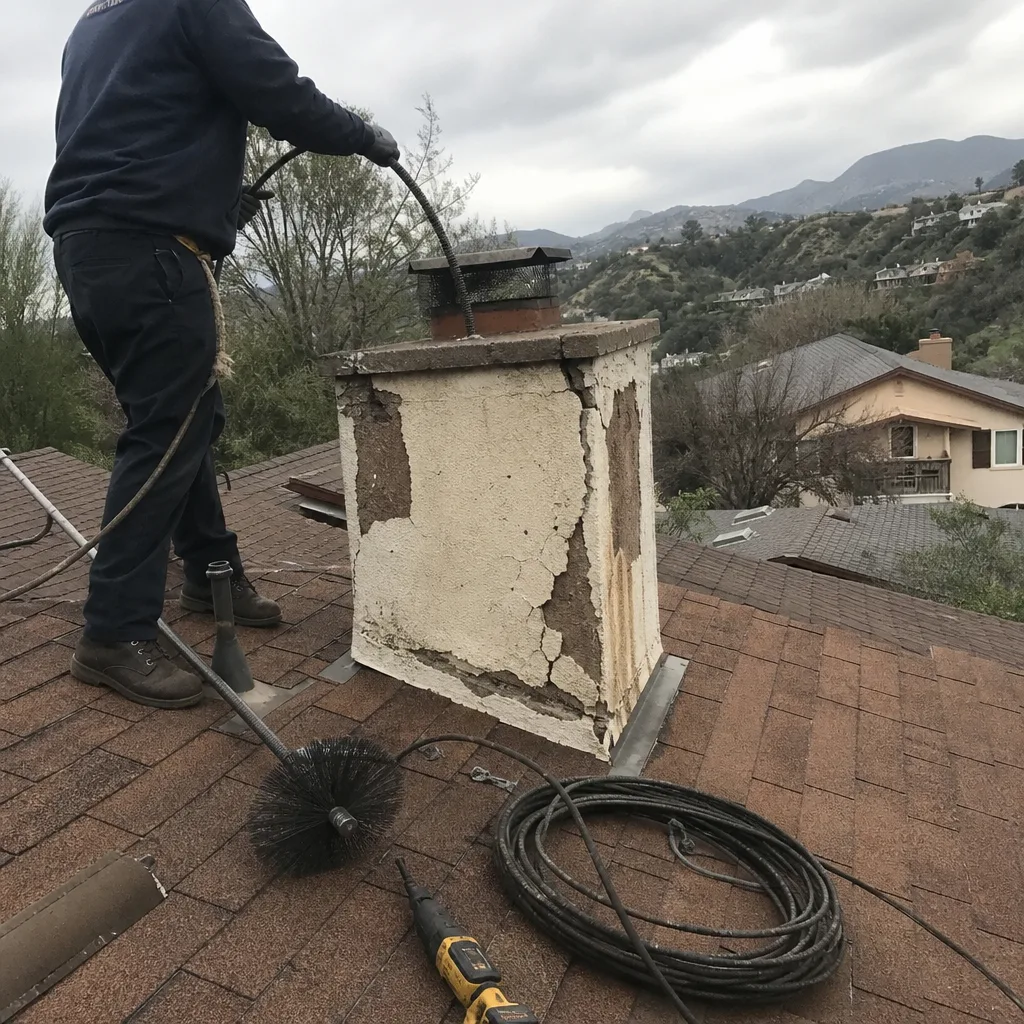 Before
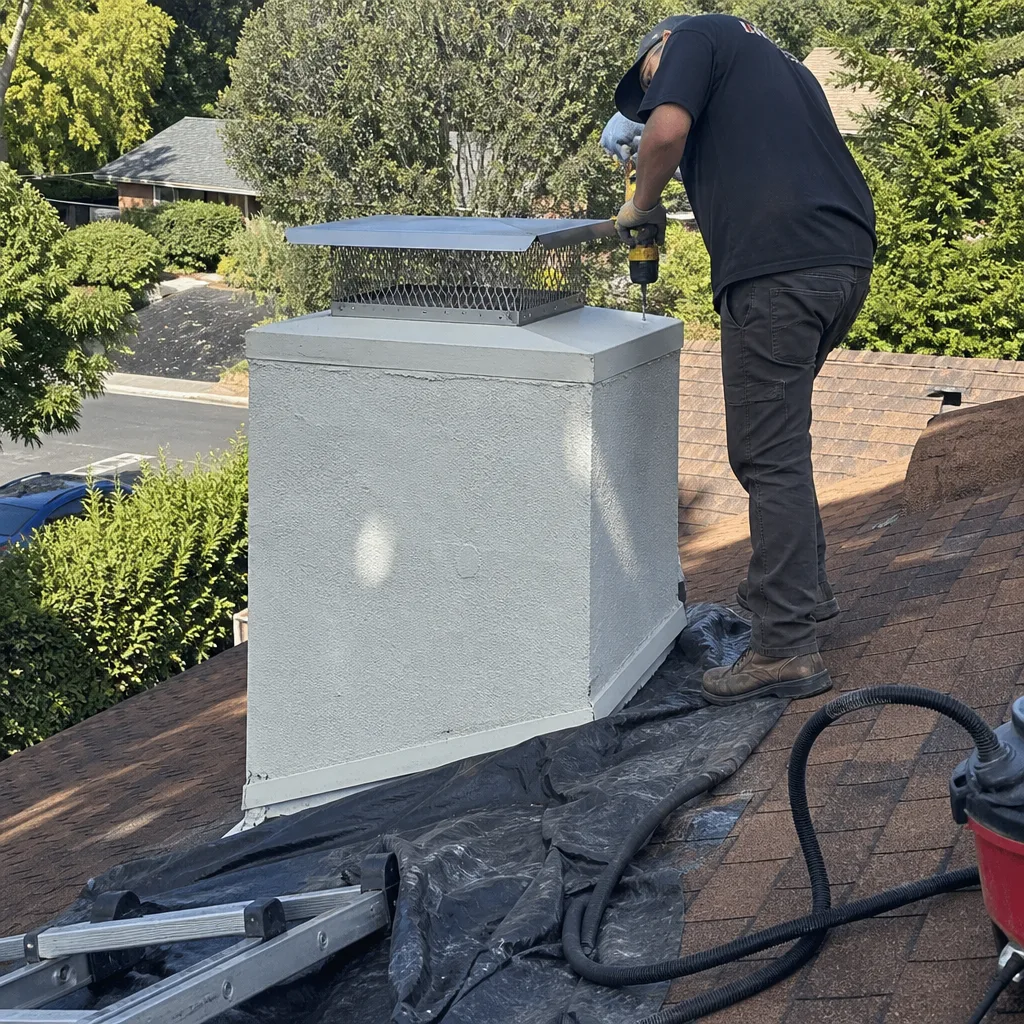 After
 Before
 After
 Before
 After