Last updated October 30, 2026
 Sweep & inspection
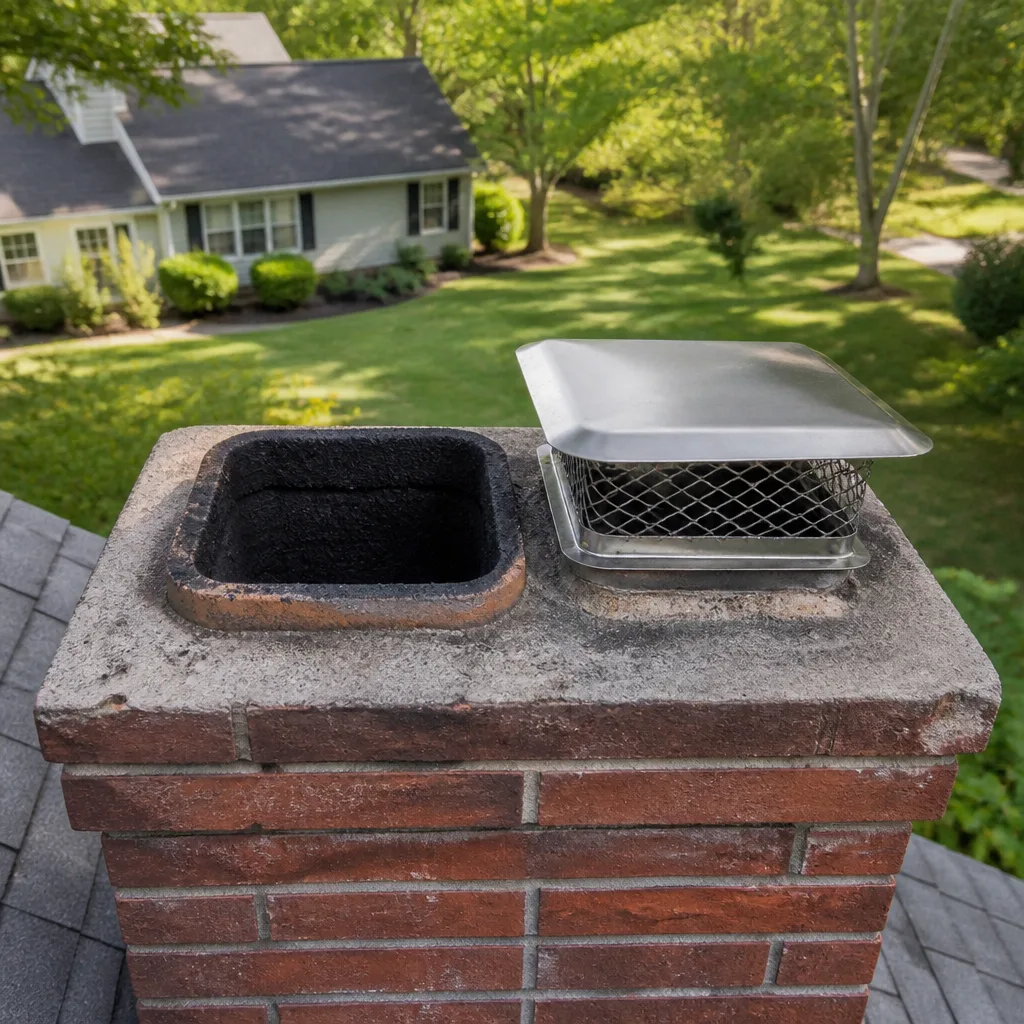
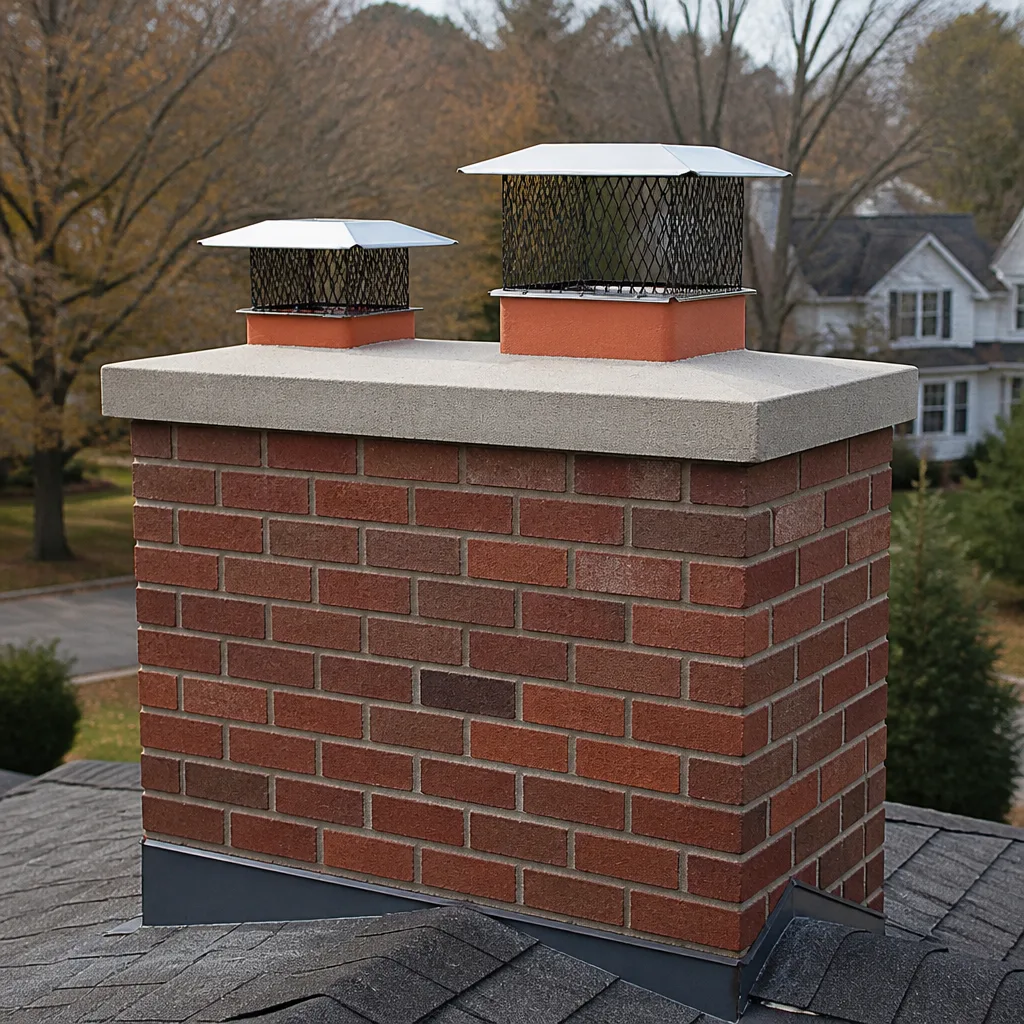 Caps & crowns
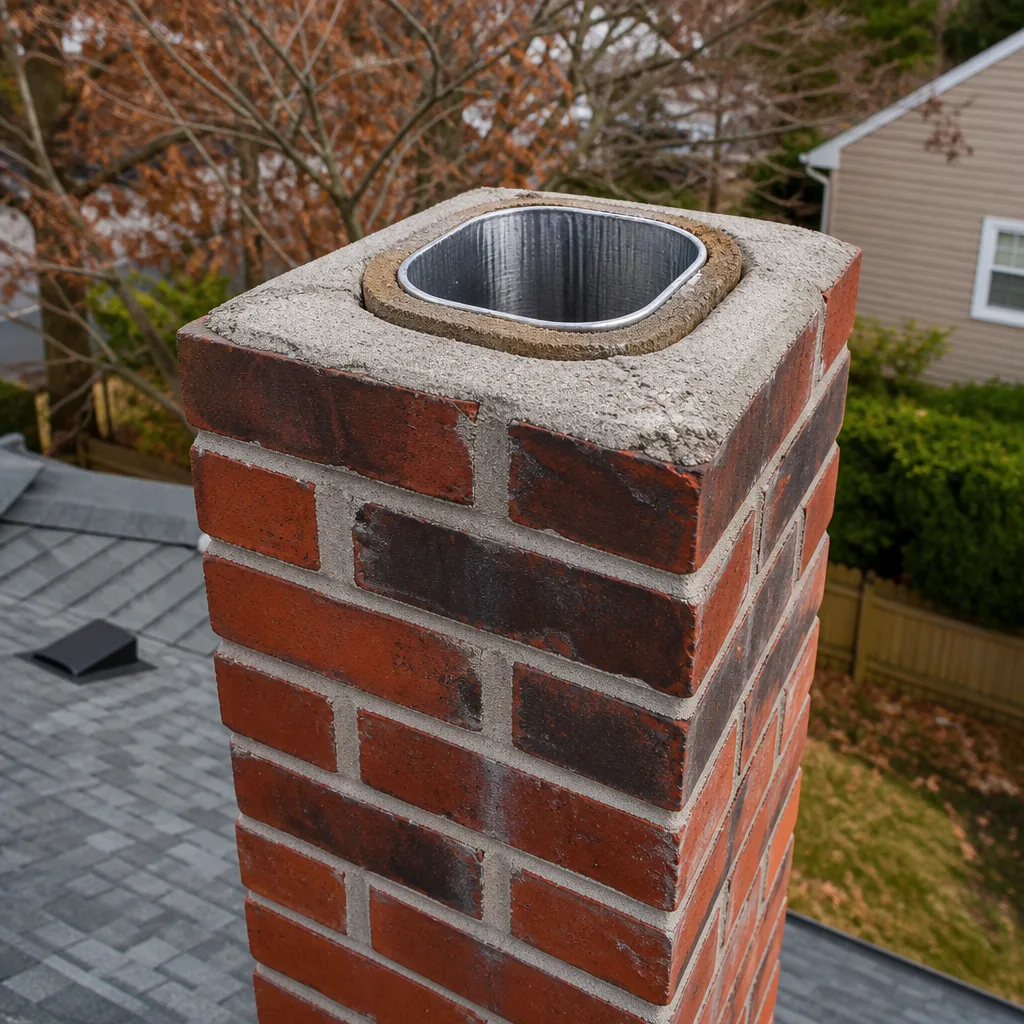 Flue relining
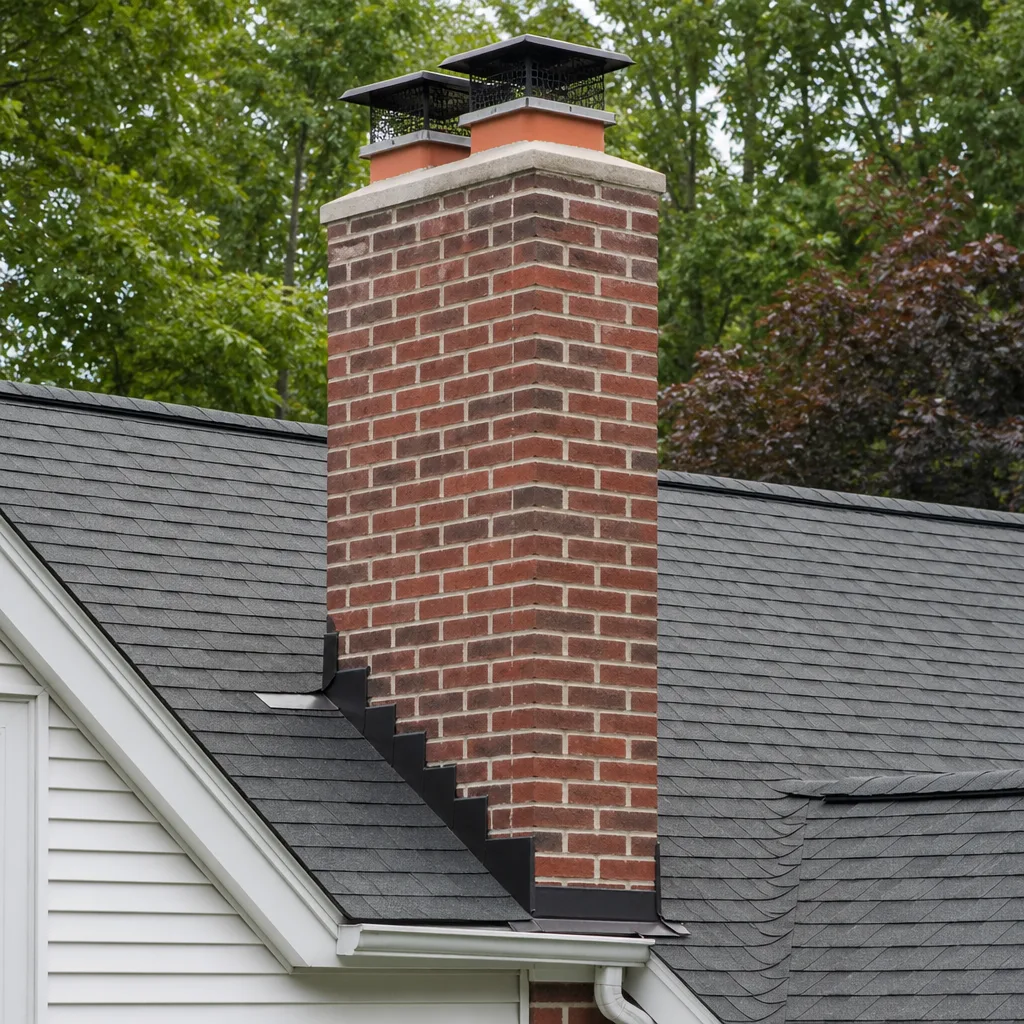 Masonry repair
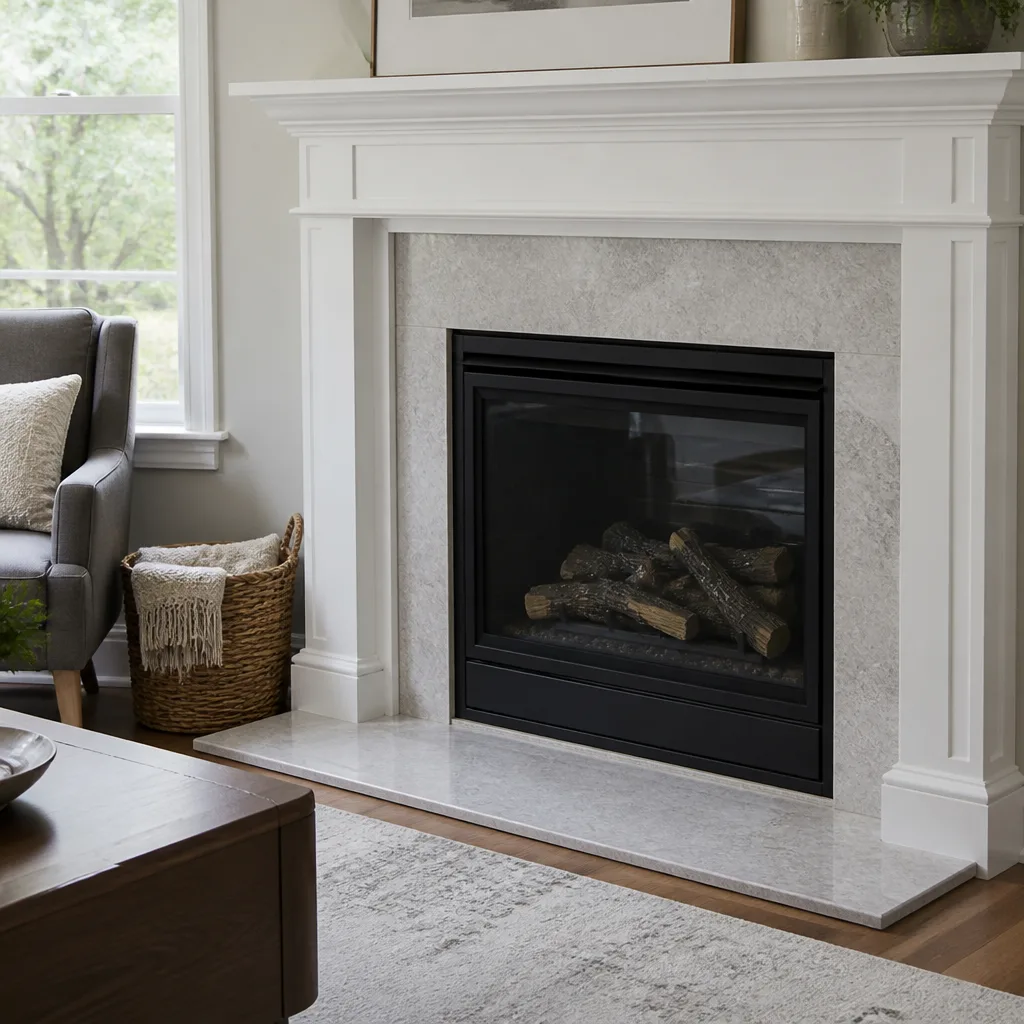 Gas fireplace service
Level 1 sweep and inspection to the NFPA 211 annual standard - flue, crown, cap, and flashing checked and photographed
Chimney sweep logs do not sweep chimneys. They loosen some creosote - which then falls where a brush and vacuum still have to collect it.
Chimney Cleaning Warning Signs: A Glendale Homeowner’s Reference Guide
A chimney fire can burn at over 2,000°F inside your flue while producing no visible smoke or flame outside the house. The only warning may be a low rumbling sound that most people mistake for a passing truck. By the time you see smoke backing into the living room, the conversation has shifted from maintenance to emergency. This guide trains you to read the earlier, subtler signals: the way creosote changes texture as it accumulates, what hairline crown cracks tell you about seismic movement in Glendale, and how your dryer vent offers clues about problems forming elsewhere in your venting system. You’ll learn which warning signs mean “schedule a sweep this month” and which mean “stop using the fireplace until it’s inspected.”
Quick Answer
The earliest warning signs that your chimney needs cleaning or inspection are a strong creosote odor (like asphalt or campfire that persists when the fireplace is cold), visible dark accumulation on the damper or firebox walls beyond a light dusting, smoke that doesn’t draw upward cleanly, and exterior masonry changes like efflorescence or hairline crown cracks. In Glendale, earthquake exposure makes structural inspection just as important as sweeping. If you notice any combination of these, stop burning and call (833) 467-6493 for a professional evaluation.
Styles & brands we work with
Table of Contents
- The Three Stages of Creosote: What to Look For and Where
- Structural Warning Signs Specific to Glendale’s Earthquake Exposure
- Indoor Air Quality Signals That Predate Visible Smoke
- Exterior Masonry Signals: Efflorescence, Spalling, and Mortar Recession
- Cautious Use vs. Stop Immediately: Reading the Severity of What You Find
- Warning Signs Specific to Gas Fireplaces and Inserts
- Dryer Vent Warning Signs: The Chimney Connection Most Homeowners Miss
- Common Mistakes to Avoid
- When to Call a Professional
- Frequently Asked Questions
The Three Stages of Creosote: What to Look For and Where
Creosote isn’t one substance. It forms in three distinct forms depending on burn temperature, wood moisture, and airflow. Knowing which stage you’re looking at tells you how urgently you need a chimney sweep in Glendale and what kind of cleaning your flue will require.
Stage One: Flaky Soot
This is the form most homeowners recognize. It looks like flat, black dust or flaky soot you can brush off with your finger. Stage one creosote develops from relatively hot, efficient fires, usually with seasoned hardwood. It’s the least dangerous form, but it doesn’t stay stage one forever. Left alone, it builds up in layers, and each subsequent fire bakes it into something harder to remove. You can check for stage one creosote yourself by shining a flashlight up past the damper. If the flue walls look fuzzy or coated in black dust rather than clean clay tile, it’s time for a sweep. An annual Chimney Sweep in Glendale appointment typically catches creosote at this stage, when removal is simple and inexpensive.
Stage Two: Granular Tar
Stage two creosote is where homeowners start getting surprised. Instead of flaky soot, you see shiny, crusty flakes that look like black cornflakes or broken asphalt. It can’t be brushed off. This form develops when flue temperatures run lower: unseasoned wood, restricted airflow, or a long, slow smolder. It’s also what builds up after repeated stage-one deposits get reheated. Stage two creosote burns readily and is the fuel behind many chimney fires. In our experience cleaning flues across Glendale, stage two accumulation is most common in fireplaces that get occasional use with grocery-store firewood that hasn’t fully seasoned. Visual identification matters here: if you poke the flue wall with a fireplace tool and the deposit feels hard, glossy, or crumbles into chunky pieces rather than fine dust, you’re looking at stage two. This requires mechanical removal with rotary brushes or chains.
Stage Three: Glazed Creosote
Stage three is the one that makes even experienced sweeps pause. It looks like a thick, shiny black coating, similar to melted plastic or tar. It forms when stage two creosote is reheated repeatedly without removal, or after a small chimney fire that the homeowner never noticed. Glazed creosote burns extremely hot and resists standard brushing. It often requires chemical treatment or removal with specialized tools. If you see anything that looks like a glossy black glaze inside your flue, stop burning immediately. This is not a do-it-yourself situation. The good news is that stage three is rare in Glendale homes that get regular sweeps. Unfortunately, it’s common in flues that haven’t been inspected in years, often in rental properties or homes purchased from previous owners who used the fireplace heavily without maintenance.
Structural Warning Signs Specific to Glendale’s Earthquake Exposure
Glendale sits in one of the most seismically active regions in the country. The Verdugo Fault runs along the city’s northern edge, and smaller faults weave through the San Gabriel Valley. Every chimney in Glendale has felt movement, even if nobody remembers the specific quake. That movement shows up in predictable places, and reading those signs correctly can mean the difference between a minor repair and a collapse during the next tremor.
Hairline Cracks in the Crown
The chimney crown is the concrete slab that caps the top of the masonry structure. Its job is to shed water away from the flue. In a new chimney, the crown is smooth and unbroken. In a Glendale chimney that’s been through a few earthquake cycles, fine cracks often appear, usually running from the flue tile outward toward the crown’s edge. A single hairline crack isn’t an emergency, but it’s a signal. Water gets into that crack, expands during winter cold snaps, and widens it. The crack becomes a channel for moisture to reach the flue, the smoke shelf, and eventually your living room ceiling. In Glendale’s dry summers, the crack simply sits there, inviting the next rain season. We recommend checking the crown from your roof or with binoculars from the ground. If you see cracks, even fine ones, schedule an inspection. At Glendale Chimney Sweep, we see hairline crown cracks on roughly a third of the chimneys we inspect in the hillside neighborhoods above Foothill Boulevard, and most of them trace back to seismic movement rather than freeze-thaw cycles.
Shifted or Flaking Chimney Caps
The cap is the metal or stone cover that sits on top of the flue opening. After an earthquake, caps sometimes shift slightly off-center or loosen. A cap that’s out of place allows water directly into the flue and gives squirrels and birds access. In Glendale, where oak and pine canyons support a healthy squirrel population, a shifted cap often becomes a nest site within a season. Check your cap’s position from the ground if you can see it clearly. If it looks tilted, rusted through, or no longer covers the flue opening completely, have it evaluated. A properly fitted Copperfield cap doesn’t just keep water out; it also functions as a spark arrestor that protects Glendale’s dry hillsides from floating embers.
Displaced Flue Tiles
This is the structural warning sign that matters most and the one homeowners can’t usually see without a camera. The inner flue is built from stacked clay tiles, typically about two feet tall each, mortared at the joints. During an earthquake, those tiles can shift. A tile that moves even half an inch breaks the continuous liner system. Gaps open between tiles, exposing flammable framing to flue heat. The joints crack, and gases can escape into the wall cavity. From the outside, the chimney looks fine. The only way to confirm tile displacement is with a chimney camera inspection, which is standard practice during a professional sweep in Glendale. We run a camera on most inspections because this region’s seismic history makes hidden movement a real possibility even in chimneys that look pristine from the outside. If the camera reveals cracked or shifted tiles, repairs may involve anything from a HeatShield resurfacing treatment to a full DuraFlex flexible liner installation, depending on what we’re looking at.
Indoor Air Quality Signals That Predate Visible Smoke
Visible smoke in the living room is the obvious signal. But your nose and your carbon monoxide detector usually notice problems before your eyes do. These subtler indoor signals are easy to dismiss, and homeowners in Glendale’s older housing stock should pay particular attention to them.
The Persistent Campfire Odor
Fireplaces smell like fire after you use them. That’s normal for a few hours. What isn’t normal is a campfire or asphalt odor that persists when the fireplace has been cold for days, especially during warmer months. That smell means creosote deposits inside the flue are warm enough to off-gas, or the chimney’s draft is reversed, and air is moving downward from the flue into the room instead of up and out. In Glendale’s warm evenings, inversions can occur, especially in canyons and on hillside streets where temperature layers trap air. If you smell the fireplace in July, you’ve got a draft or creosote problem. Both are fixable. Neither is something to live with. We’ve walked into Glendale living rooms in August and smelled the fireplace before the homeowner mentioned it, and in most cases, the flue had substantial stage two creosote sending odor back into the house.
Draft Reversal and Smoke Puffs
A healthy chimney draws air upward even when there’s no fire, pulling room air up and out. You can test this by holding a lit incense stick or a piece of lit newspaper inside the firebox with the damper open. The smoke should flow upward and away from you. If it curls into the room or hovers, the chimney’s draft is compromised. Common causes in Glendale include flue obstructions, creosote buildup narrowing the passage, competing exhaust fans in the home, and seasonal temperature inversions common in the Verdugo foothills. Draft reversal is more than an inconvenience. When the chimney can’t pull combustion gases upward, those gases go somewhere, and that somewhere is your living room. If you notice smoke puffs when lighting a fire, a stale odor you can’t source, or flames that lean toward the room instead of the flue, stop using the fireplace until the draft is evaluated.
Carbon Monoxide Detector Patterns
If your CO detector has gone off, even once, even briefly, a professional chimney inspection should happen before you use the fireplace again. This isn’t an area for speculation. Carbon monoxide is odorless, colorless, and heavier than air. Combustion appliances, including fireplaces and dryers, produce it. When venting systems work correctly, CO exits the home. When they don’t, it accumulates. Glendale’s older homes, many built before modern ventilation codes, sometimes have insufficient makeup air or competing vents that interfere with chimney draft. A CO alarm that chirps or goes off in the same room as the fireplace, or near the laundry room where the dryer vents, is a signal about ventilation, not just about the alarm’s battery. We treat every CO detector event as a real venting-system signal until proven otherwise. After resolving the issue, it’s wise to run the fireplace with fresh batteries in the detector and a window cracked open as a verification step.
Exterior Masonry Signals: Efflorescence, Spalling, and Mortar Recession
The outside of your chimney tells you what’s happening on the inside, if you know how to read it. These three masonry signals suggest that water is moving through your chimney in ways it shouldn’t, and Glendale’s dry-wet seasonal cycle accelerates each of them.
Efflorescence: The White Dust That Means Water
Efflorescence is a chalky white deposit that forms on brick and mortar when water migrates through the masonry and evaporates on the surface, leaving mineral salts behind. It looks like someone dusted the chimney with flour. In Glendale, efflorescence typically appears a few weeks after the first significant rains, when water that entered the masonry during storms migrates outward during the dry weeks that follow. Efflorescence doesn’t damage the chimney directly, but it’s a reliable indicator that water is getting into places where water shouldn’t be. In most cases, the entry point is a cracked crown, a missing cap, or deteriorated mortar joints. If you see efflorescence on your chimney, the answer is chimney repair in Glendale, not just scrubbing the bricks. Addressing the water source is what actually matters.
Spalling: When Brick Faces Pop Off
Spalling happens when water inside the brick freezes and expands, or when the brick’s surface is compromised by age and heat cycling. The brick face cracks, flakes, or pops off entirely, leaving the softer interior exposed. In Glendale, spalling appears most often on chimneys that lack proper crown coverage or have failing mortar joints that let water saturate the brick. Once spalling starts, it accelerates. The exposed brick absorbs more water, more freeze-thaw cycles occur, and within a few seasons, structural integrity becomes a real concern. Spalling on the exterior of a chimney is often accompanied by damage inside as well, particularly to the flue liner, which experiences similar thermal stress. If you find brick fragments on your roof or in your gutter, have the chimney inspected promptly.
Mortar Joint Recession
Mortar holds the chimney together, and in Glendale’s climate, it degrades faster than homeowners expect. Intense summer heat, relatively rare but meaningful freeze events in the hills, and decades of UV exposure all break down the mortar’s binders. The warning sign is simple: run your finger along a mortar joint. If the mortar sits proud of the brick, it’s still healthy. If it’s recessed, crumbly, or you can scrape it out with a key, the joint is failing. Recessed mortar joints allow water into the wall system and reduce the chimney’s ability to withstand seismic movement. In an earthquake, a chimney with degraded mortar doesn’t flex; it breaks. Repointing, the process of grinding out old mortar and packing in fresh, is a standard Chimney Repair in Glendale procedure that extends the life of the masonry structure significantly when done before major damage occurs.
Cautious Use vs. Stop Immediately: Reading the Severity of What You Find
Not every warning sign means the fireplace is off-limits. Some conditions allow continued cautious use while you schedule service. Others demand that you stop burning immediately. Here’s the honest guidance we give homeowners in Glendale who call us describing symptoms without knowing how serious they are.
What You Can Monitor While Arranging a Sweep
These are real issues, but they don’t require you to seal off the fireplace tonight. Schedule a sweep within the next few weeks and burn sparingly, if at all, until then:
- Stage one creosote accumulation on flue walls – normal buildup, removable with a standard sweep. If the deposit is a light dusting, you’re within safe operating range.
- Mild campfire odor after the fire has been cold for a day or two – indicates some creosote and imperfect draft. Consider scheduling before heavy burning season.
- Hairline crown cracks without visible water damage inside – these should be sealed, but a single hairline crack doesn’t mean the chimney is unsafe to use today.
- Minor efflorescence on exterior brick – tells you water is entering somewhere, but the fix usually isn’t urgent in the middle of a dry Glendale summer.
What Means Stop Using the Fireplace Today
These signals indicate that the chimney’s structural or combustible-safety margin is gone. Stop burning until a professional has inspected and cleared the system:
- Any visible smoke entering the room during normal operation – the flue is obstructed or the draft is reversed. Combustion gases are going somewhere they shouldn’t.
- A strong asphalt or chemical odor, especially when the fireplace is not in use – significant creosote deposits are present and may be degrading, or gases are back-drafting.
- Black, glazed, tar-like coating visible on the flue walls – stage three creosote. This is chimney fire fuel and requires professional removal before burning.
- A carbon monoxide detector event in the same room as the fireplace or near the dryer – treat this as a confirmed venting problem until proven otherwise.
- Dislodged flue tiles visible at the top of the chimney, or a shifted cap – the flue liner system may be compromised, and continuing to burn risks heat transfer to framing.
- Brick fragments, significant spalling, or visible gaps in exterior mortar – the structure’s water and seismic integrity is failing. Repair is structural, not cosmetic.
- A loud roaring sound from the chimney during a fire – this is not a passing truck. This is a chimney fire actively burning. Call 911, then call us after the fire department clears the scene.
The line between “schedule soon” and “stop now” mostly comes down to whether gases and heat are contained. When the chimney is doing its job, everything moves upward and out. When it isn’t, your home is part of the flue system, and that’s never acceptable.
Warning Signs Specific to Gas Fireplaces and Inserts
Gas fireplaces don’t produce creosote, which leads many Glendale homeowners to assume they don’t need cleaning. They do, and the warning signs are different from wood-burning systems.
Soot Accumulation on Logs or Glass
A properly operating gas log set burns relatively cleanly, with minimal interior deposits. If you see black soot building up on the ceramic logs, the glass, or the interior walls, that’s a sign of incomplete combustion. The most common causes are improper air-to-fuel ratio, clogged burner ports, or misaligned logs. Soot on gas fireplace glass usually means the burn isn’t getting enough oxygen, and the fix often involves cleaning the burner assembly. In Glendale, where many homes have converted older wood-burning fireplaces to gas inserts, we frequently see soot accumulation in units where the conversion was done years ago and has never been serviced.
Yellow or Orange Flames That Should Be Blue
Gas flames from a clean burner range from blue to a stable blue-yellow. A lazy, entirely yellow, or orange flame indicates incomplete combustion and carbon monoxide production. This is a genuine safety concern. Gas log sets and inserts use air shutters to tune the burn, and over time those shutters drift or clog. If your gas fireplace flame looks like a campfire instead of a clean blue burn, schedule an inspection. The same rule applies to gas dryers, by the way, which is one reason we offer dryer vent cleaning in Glendale as part of our full-service safety scope.
Odor Without Fire
A gas fireplace that smells like gas when it’s off is a leak, plain and simple. Call the gas company immediately if the smell is strong. If the odor is faint and comes only after use, it could be residue burning off, but it should disappear within a few uses. Persistent odor after burning means incomplete combustion or debris inside the firebox that’s smoldering. Gas units also produce acidic condensation that attacks the flue liner, which is why gas chimneys are often relined with a system like DuraFlex specifically designed for venting gas appliances. The flue is still doing work, even if there’s no smoke.
Dryer Vent Warning Signs: The Chimney Connection Most Homeowners Miss
Your clothes dryer is a combustion appliance, and its vent is a chimney. The same principles apply: heat must move upward and outward, and anything that restricts that flow creates fire risk and indoor air quality problems.
Clothes That Take Two Cycles to Dry
If your dryer needs a second cycle to finish a load that used to dry in one, the vent is restricted. Lint builds up inside the duct, the dryer works harder, the heating element runs longer, and the internal temperatures climb. The fix is straightforward: Dryer Vent Cleaning in Glendale that removes the accumulated lint from the entire duct run. This is a safety service, not just an efficiency upgrade. Industry fire-safety data consistently links restricted dryer vents to residential house fires.
A Burning Smell When the Dryer Runs
Lint is highly flammable. When it accumulates near the heating element or inside the duct, the smell of a running dryer can shift from fresh laundry to something closer to burnt dust. This is a warning sign that merits immediate attention. Stop running the dryer until the vent and the lint trap area are cleaned and inspected. The same discipline applies to checking the exterior vent flap. If it doesn’t open fully when the dryer runs, or if you see lint accumulating on the outside wall or on nearby plants, the system is blocked.
The Full-Venting Connection
We approach dryer vents the same way we approach chimneys, because they work on the same physics. Both are vertical or near-vertical passages designed to move hot gases and particulates away from living spaces. Both accumulate flammable deposits. Both fail gradually, then suddenly. Glendale homeowners who get their chimney swept annually but haven’t cleaned their dryer vent in years have addressed one half of their venting safety picture. One call covers both. That’s the advantage of working with a company that handles the full scope, rather than a chimney-only shop.
Browse our Glendale Chimney Sweep home page to see the full scope of services, or visit the specific service pages: Chimney Sweep in Glendale, Chimney Repair in Glendale, and Dryer Vent Cleaning in Glendale.
Common Mistakes to Avoid
- Checking only the firebox and not the flue. The firebox is what you can see from the living room, but creosote accumulates where heat and turbulence are highest: in the flue. A clean-looking firebox means almost nothing about the state of the liner above it.
- Burning unseasoned wood because “it’s what’s available.” Green wood burns cool and smoky, depositing stage two and stage three creosote at an accelerated rate. In Glendale, where wood availability varies wildly by season, plan ahead and season your wood for at least six months.
- Assuming an old chimney is grandfathered out of maintenance. Older masonry doesn’t need less care; it needs more. Mortar joins the list of aging infrastructure, and Glendale’s earthquake history means older chimneys have had more stress cycles.
- Waiting until the first cold night to light the season’s first fire without checking the flue. Birds, squirrels, and wasps build nests in unused chimneys during Glendale’s long warm season. Their nests burn hot and fast, and they’re often what turns a routine first fire into a chimney fire.
- Using the fireplace as a primary heat source without scheduling an annual sweep. A fireplace used every night accumulates creosote quickly. If burning is regular, maintenance needs to be regular too.
- Ignoring a CO detector event. A single chirp in July and a single chirp in November is a pattern, not a coincidence. Venting problems don’t fix themselves.
- Treating masonry cracks as cosmetic issues. Every crack is a water entry point. In Glendale’s wet-dry cycle, a season of deferred repair turns a small crack into a structural problem.
When to Call a Professional
Call when the warning signs are ambiguous and you need someone who can confirm what you’re looking at. Camera inspection removes guesswork, and that’s the standard here. Call when you haven’t had the chimney swept in more than a year and you plan to use it regularly this season. Call when you see efflorescence, spalling, crown cracks, or mortar recession and you want to know whether the issue is cosmetic or structural. Call when a CO detector has activated near the fireplace or the dryer. Call when you’ve purchased a home in Glendale with an existing fireplace and no maintenance records from the previous owner. Glendale Chimney Sweep offers free estimates in Glendale. Call (833) 467-6493 and we’ll schedule an inspection on your timeline.
Frequently Asked Questions
Chimney sweep pricing in Glendale typically ranges from $150 to $350 depending on the level of creosote, flue height, rooftop access, and whether the chimney has been maintained previously. A standard first-visit sweep on a wood-burning fireplace that hasn’t been cleaned in several years usually lands in the middle of that range. Chimneys with stage two or stage three creosote requiring rotary removal cost more than a light dusting removal. Gas fireplace service, dryer vent cleaning, and chimney repair are separate services with separate pricing. Call (833) 467-6493 for an exact quote. Estimates are free, and we confirm the number before any work begins, not after.
The National Fire Protection Association recommends annual inspection and cleaning as needed. For most Glendale wood-burning homeowners, that means one sweep per year if the fireplace sees regular seasonal use. Occasional users can sometimes stretch to 18 months, but we don’t recommend it. Gas fireplaces need annual inspection for burner and venting condition even though they don’t produce creosote. Dryer vents should be cleaned annually for households of two or more. Call (833) 467-6493 to schedule, and we’ll tell you what frequency actually matches your usage pattern.
Creosote accumulates in layers that harden and become more combustible with each fire. Within two to three years of regular use without cleaning, stage two accumulation is likely, and the risk of a chimney fire rises substantially. Water that enters through minor cracks found a few seasons earlier moves deeper into the masonry. A skipped year or two rarely causes a house fire on its own, but it converts a $200 maintenance call into a $2,000-plus repair project on a predictable timeline. The longer you wait, the more the repair bill compounds. Call (833) 467-6493 if you’re overdue, and we’ll be straight with you about what we find.
Not necessarily. Cracked or spalled clay tiles can sometimes be addressed with HeatShield, a cerfractory flue resurfacing system that restores the flue’s interior surface without a full relining tear-out. If the damage is extensive or the chimney has offset geometry, a DuraFlex flexible liner installation may be the better answer. Neither option should be recommended without camera evidence. If a company tells you the liner needs replacement without showing you the damage, get a second look. We show every customer what we see on camera. That transparency is the whole point. Call (833) 467-6493 for an evaluation.
Checking from the roof requires working at height, and Glendale’s hillside homes often mean steep, uneven roof pitches. We don’t recommend DIY roof access unless you’re comfortable with the risks and have proper safety equipment. Most visual checks can be done from the ground with binoculars: look for a missing or shifted cap, visible flue tile cracks, crown cracking, spalling brick faces, and efflorescence. For anything inside the flue, a camera inspection from inside the firebox gives you the complete picture without a ladder. Call (833) 467-6493 and we’ll bring the camera.
Yes. We stock and install specific professional chimney-industry product lines because we stand behind them: HeatShield for flue resurfacing, DuraFlex for flexible liner systems, Gelco for caps and chase covers, and Copperfield components where appropriate. We name the brands on quotes and in documentation because you deserve to know exactly what you’re paying for. Generic “quality materials” language doesn’t tell you anything. A HeatShield application is a specific, warrantied system. A DuraFlex liner is a specific product. That specificity is what separates a specialist from a generalist. Call (833) 467-6493 for details on any specific product line.
The Bottom Line
Chimney warning signs show up in stages, and the earliest ones are subtle: a persistent odor, a flaky deposit you can see with a flashlight, a white haze on the exterior brick, a dryer that takes two cycles to finish a load. In Glendale, earthquake movement adds another layer: hairline cracks and shifted components that aren’t cosmetic but structural. The discipline is simple. Check what you can see, schedule annual maintenance before burning season, and call for inspection when you find something you can’t identify. The fire you don’t have is the one that doesn’t burn your house down. Call (833) 467-6493 for a free estimate, and we’ll help you read what your chimney is telling you.
Written by the team at Glendale Chimney Sweep, serving Glendale since 2011.
See the difference
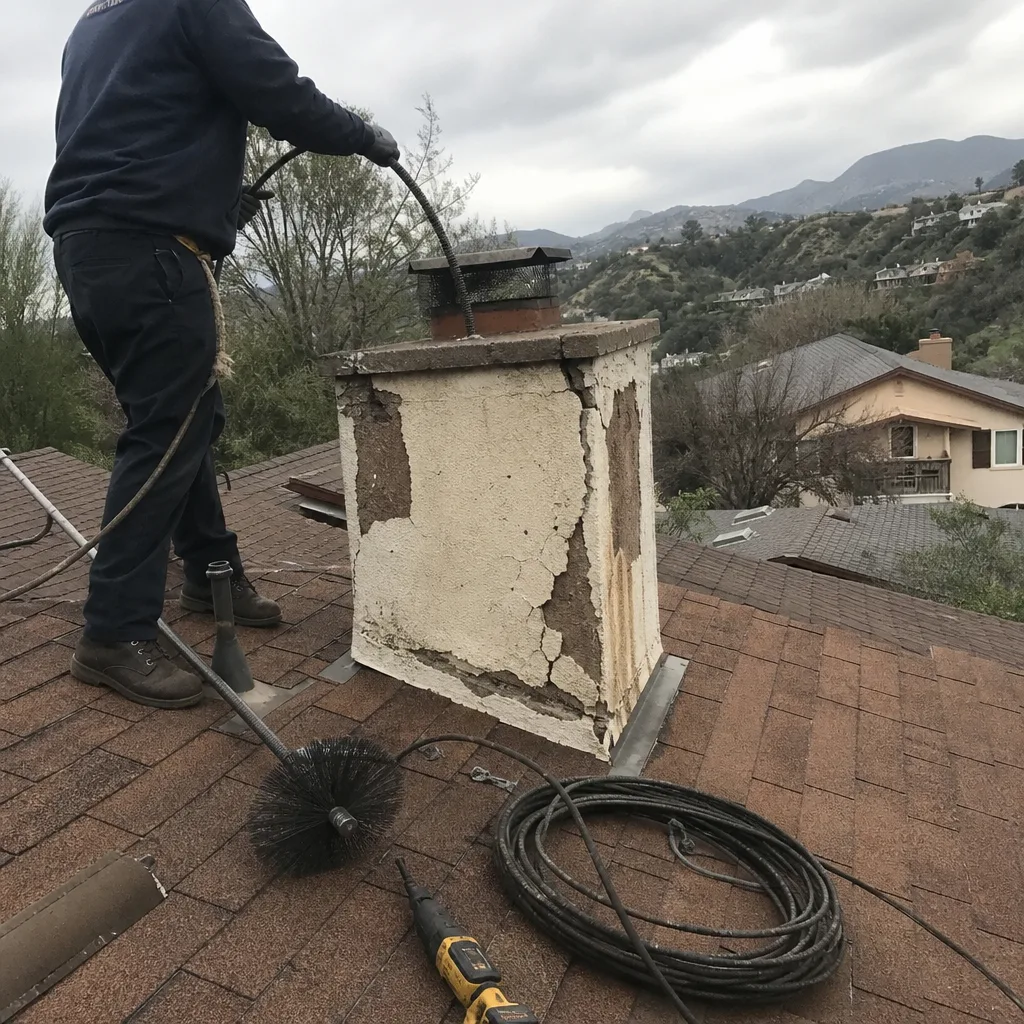 Before
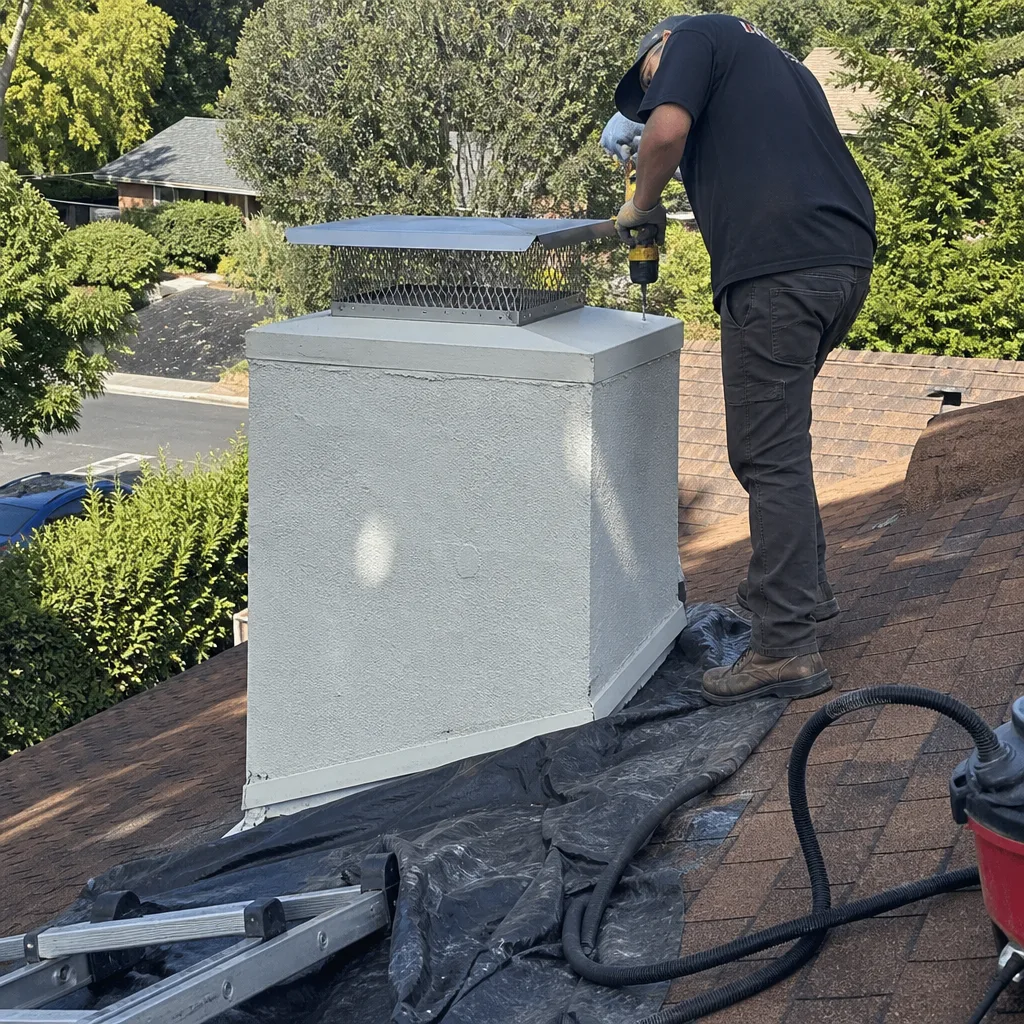 After
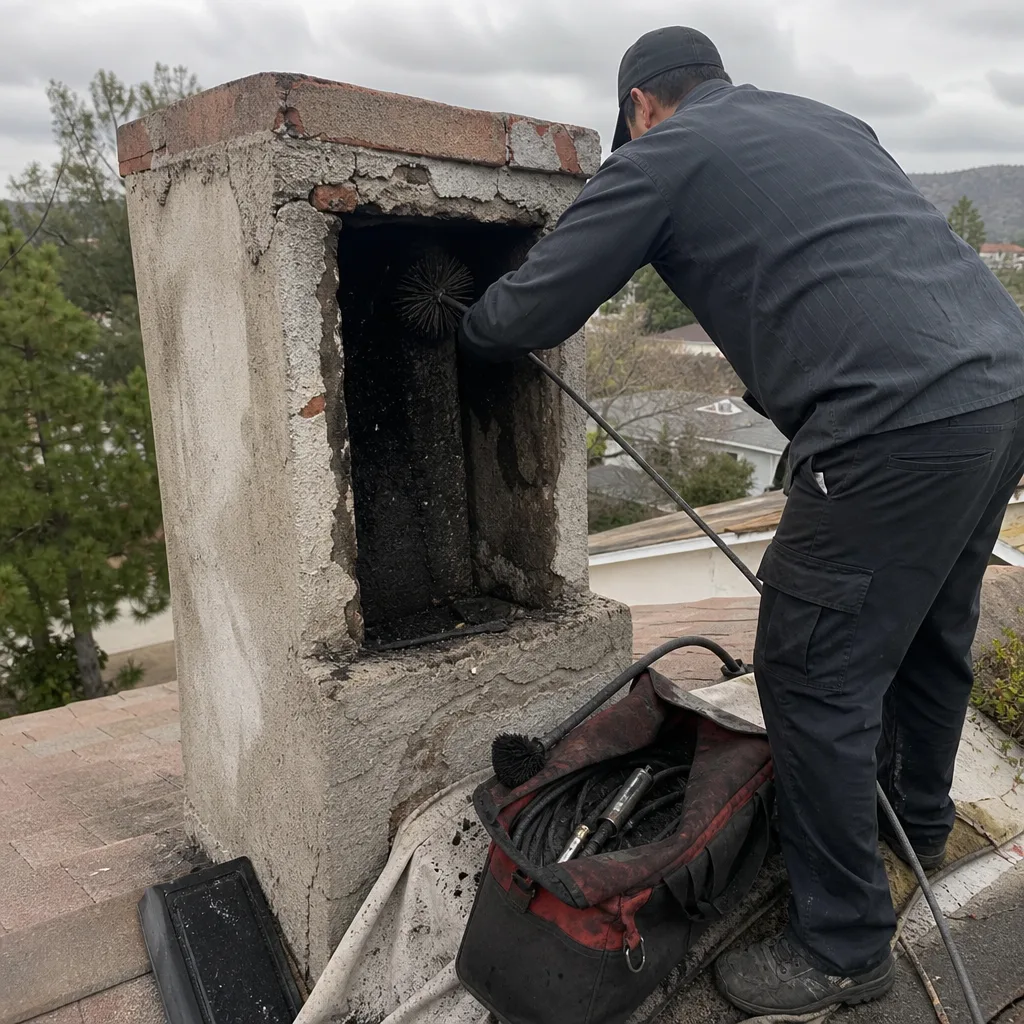 Before
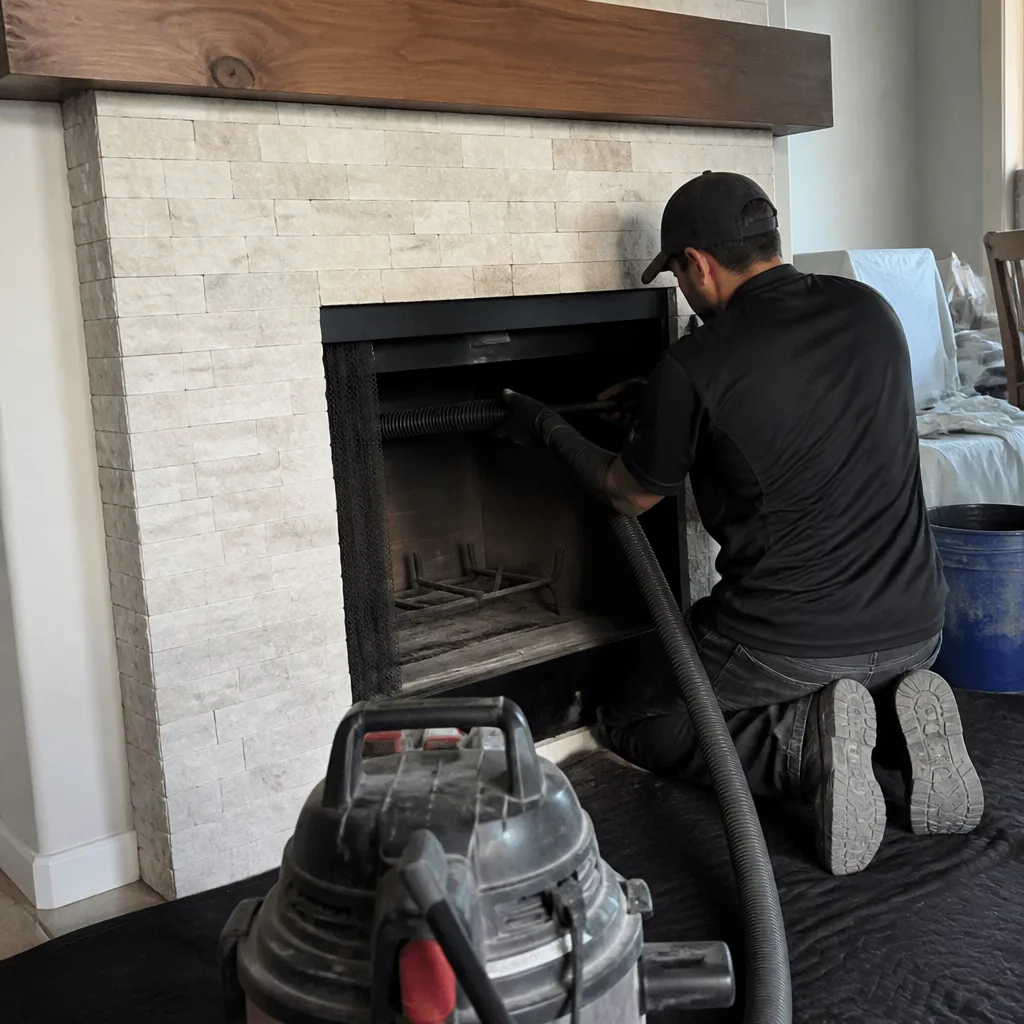 After
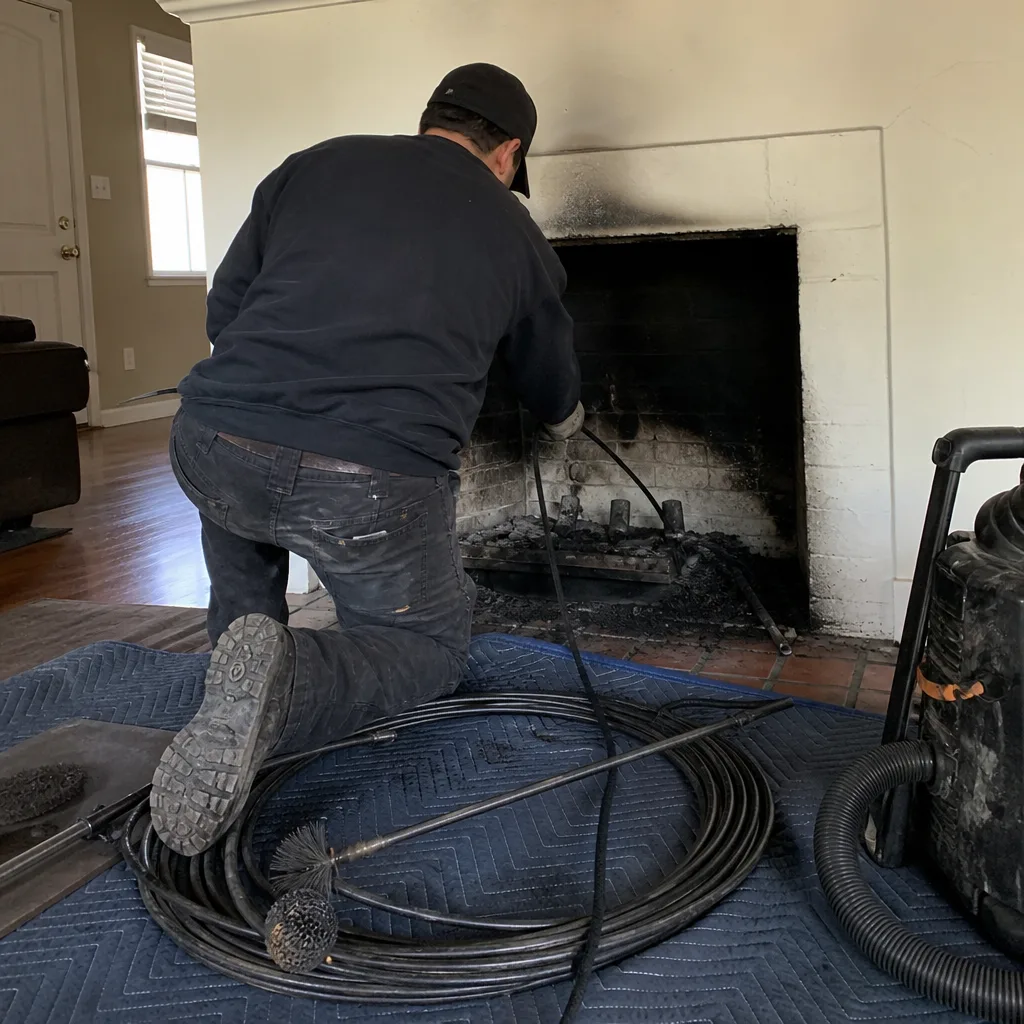 Before
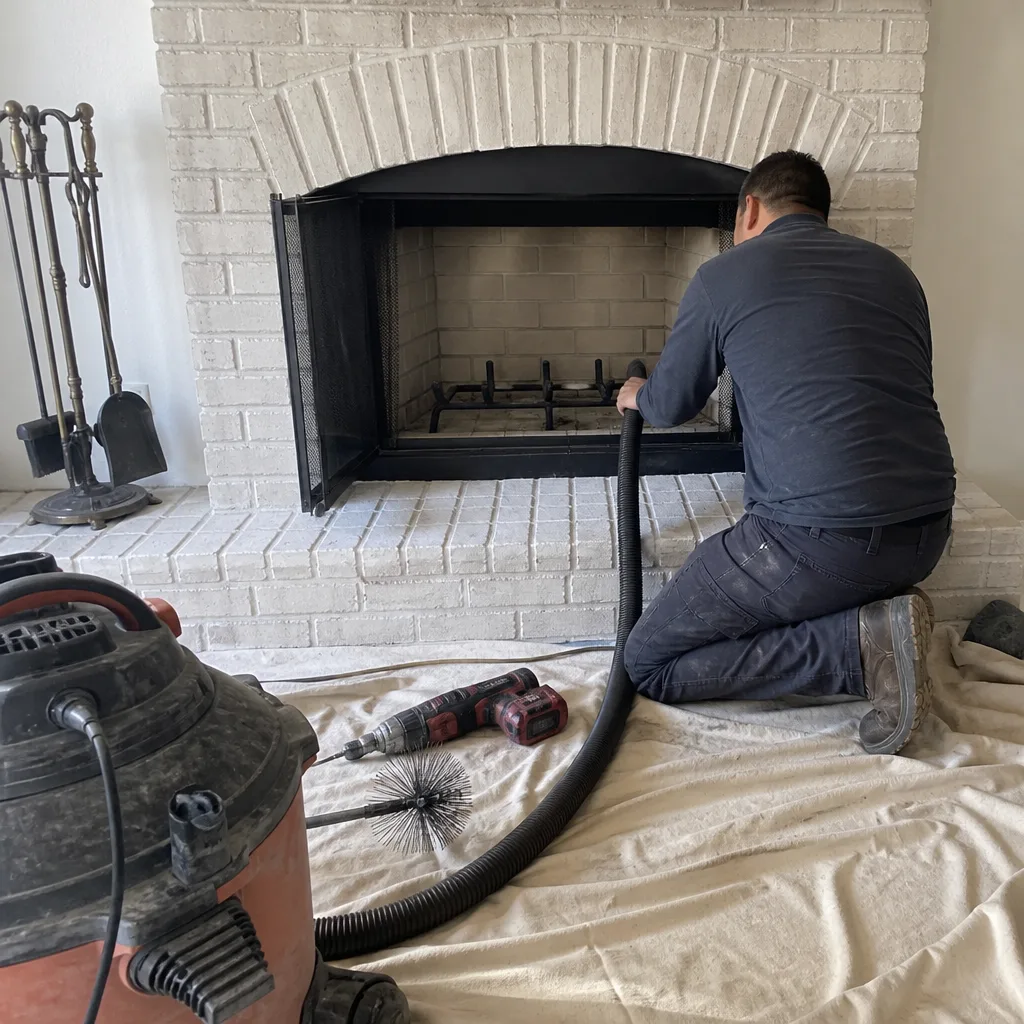 After