Last updated October 30, 2026
 Sweep & inspection
 Caps & crowns
 Flue relining
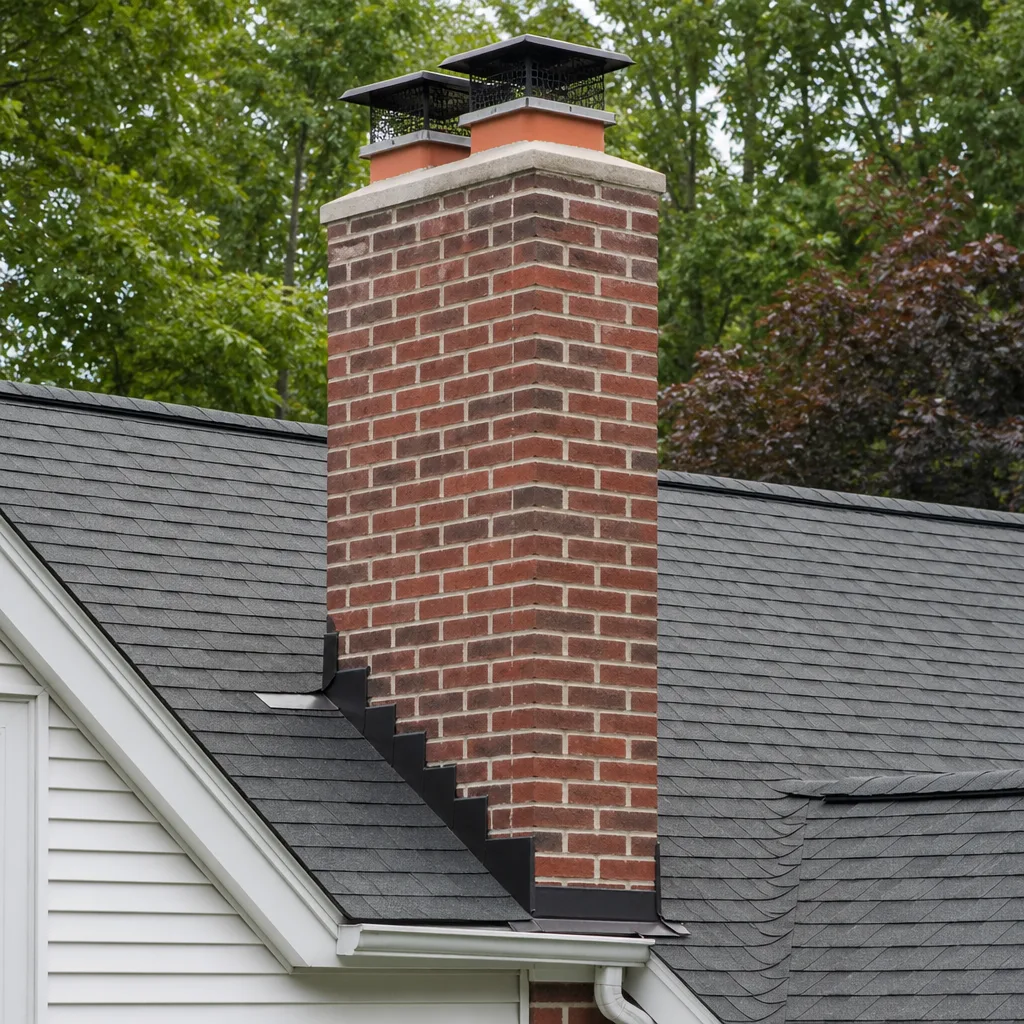 Masonry repair
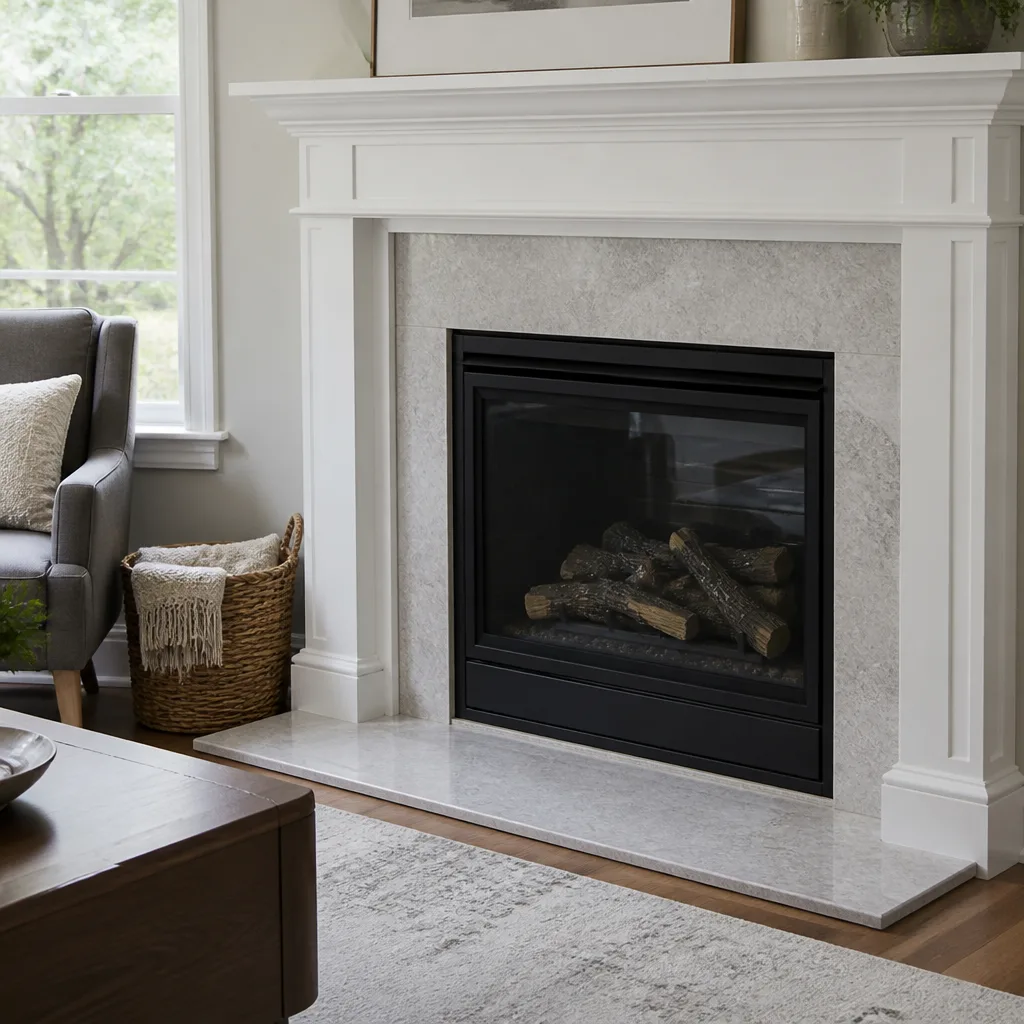 Gas fireplace service
Level 1 sweep and inspection to the NFPA 211 annual standard - flue, crown, cap, and flashing checked and photographed
Chimney sweep logs do not sweep chimneys. They loosen some creosote - which then falls where a brush and vacuum still have to collect it.
Chimney Sweep Troubleshooting: Common Problems and How to Fix Them
A smoky fireplace is the single most Googled chimney complaint. What most homeowners in Glendale don’t realize is that smoke in the living room has at least seven distinct causes, and they require completely different fixes. A technician who jumps straight to “you need a new cap” without eliminating draft pressure and damper issues first is guessing, and charging you for it. This guide walks through how to observe your chimney’s behavior the way a trained Chimney Sweep does, so you can stop guessing, stop wasting money on wrong fixes, and know exactly when a problem is cosmetic, when it’s a fire hazard, and when it calls for professional equipment.
Quick Answer
A smoky fireplace is most often caused by negative air pressure inside the house pulling smoke backward, not by a dirty flue. Before spending money, check the damper position, open a nearby window, and look up the flue with a flashlight for visible blockage or Stage 2 creosote glaze. If smoke persists after those checks, call a professional for a camera inspection and draft measurement rather than replacing parts blindly.
Styles & brands we work with
Table of Contents
- A Smoky Fireplace Has Seven Causes, Not One
- The Diagnostic Decision Tree: What to Check Before Any Tools
- Why Chimney Odors in Glendale Summers Are Draft Reversal, Not Dirt
- Stage 1 vs. Stage 2 Creosote: What They Look Like and What Actually Removes Them
- Popping, Cracking, Spalling: Which Chimney Sounds Are Normal and Which Mean Trouble
- Damper Failure: The Silent Chimney Problem Most Sweeps Skip
- DIY Chimney Cleaning Kits: When They Work and When They Create a Liability
- The Dryer Vent Cross-Check: A Chimney-Sweep Skill Most Homeowners Miss
A Smoky Fireplace Has Seven Causes, Not One
Every winter, we get calls from Glendale homeowners who have already bought a new chimney cap because someone told them that was the fix. The cap arrives, goes on, and smoke still curls into the living room on the next burn. The problem was never the cap. It was air pressure, flue diameter, or a damper stuck half open. Here are the seven actual causes of a smoky fireplace, in the order we check them.
1. Negative air pressure in the house. This is the most common cause we see in Glendale homes, particularly newer construction with tight windows and doors, and especially in homes running kitchen exhaust fans, bathroom fans, or a whole-house fan during a fire. Your chimney is a tube that relies on pressure difference: warm air rises only if there is replacement air available inside the room. If the house is sealed tight or a fan is pulling air out, the chimney becomes the intake, and smoke comes down instead of going up. The quick test: open a nearby window an inch and see if the smoke stops. If it does, you have a pressure problem, not a chimney problem. The fix is a make-up air vent or simply cracking a window, not a cap replacement.
2. A damper that is closed or partially open. It sounds obvious, but a damper can appear open and still block most of the flue. Older throat dampers in Glendale’s 1950s and 1960s ranches warp over decades of heat. A damper plate that reads “open” on the handle may be angling across 60 percent of the flue opening. We check damper position with a mirror and flashlight before anything else. Fixing a warped damper is a $150 to $400 repair depending on style. Replacing a smoke-charred firebox because the damper was ignored costs thousands.
3. A cold flue, or “cold plug.” A masonry chimney that has been sitting in 50-degree Glendale winter air fills with a column of dense, cold air. When you light a fire, that cold plug has to be pushed out before draft establishes. The standard fix is priming the flue: roll up a few sheets of newspaper, light them, and hold them up near the open damper for 30 seconds before lighting the main fire. If you skip this and your chimney is short, on an exterior wall, or built before modern flue-sizing standards, the smoke backs up into the room every single time.
4. Flue sizing mismatch. A fireplace opening that is large relative to the flue diameter simply cannot move enough air. This is a design problem we see in older Glendale homes where fireplaces were built before modern sizing ratios. The fix is not a cleaning. It is either a smoke guard installed across the top of the fireplace opening, or in serious cases, a flue resizing with a correctly specified liner system.
5. Blockage above the damper. Nests, dead animals, leaves, or a collapsed section of flue tile will stop smoke movement entirely. In Glendale, we pull a surprising amount of debris from chimneys that look fine from the hearth. A camera inspection is the only way to see a partial blockage that a brush might push aside without clearing.
6. Stage 2 creosote glaze narrowing the flue opening. If a flue is coated in hardened, glossy creosote, the effective diameter shrinks. A 10-inch flue with a half inch of glaze on all sides becomes a 9-inch flue. Smoke moves slower, cools faster, and backs up. Standard brush sweeping does not remove Stage 2 glaze. This requires chemical treatment or mechanical rotary removal.
7. An actual cap problem, but not the one most people assume. A missing or damaged cap rarely causes smoke to back up into the room. What a cap does is keep rain, animals, and debris out, and it prevents wind from blowing directly down the flue. If your smoke problems only occur on windy days and the cap is missing, that is a legitimate cap issue. But it is seventh on the list, not first, and any sweep who starts the diagnosis with the cap is skipping the free checks.
That is the real sequence. Chimney sweep in Glendale work starts with observation, not parts. When you understand the seven causes, you can usually narrow the problem down to one or two before you ever spend a dollar.
The Diagnostic Decision Tree: What to Check Before Any Tools
Here is the diagnostic sequence we run through on every smoky fireplace service call. You can do the first four steps yourself tonight with no tools and no cost. The last three steps require equipment, but knowing that they exist tells you whether the estimate you are being given is based on evidence or a guess. None of this is spoken about enough in the chimney industry, because it is easier to sell a cap or a cleaning than it is to explain air pressure.
Step 1: Check the damper visually.
Get a flashlight and a small mirror. Open the damper as far as the handle allows, then look up. You should see a clear opening with the damper plate fully out of the way. If the plate is angled into the flue opening, that is your problem. Warped dampers are common in Glendale because summer heat cycling and winter fires bend the cast iron over time.
Step 2: Test for negative pressure.
Open a window or exterior door in the room with the fireplace. Light a small fire, or if the chimney is already smoking, just observe what happens. If the smoke disappears when the window is open and returns when it is closed, you have a house pressure problem, not a chimney problem. The solution is mechanical make-up air or proper ventilation practice during fires. No chimney cleaning fixes a pressurized house.
Step 3: Prime the flue.
Before the main fire, hold a lit roll of newspaper up near the open damper. If smoke from the newspaper draws up easily, the flue is clear and the problem was a cold air plug. If the newspaper smoke curls back into the room, you have a blockage or severe draft problem further up.
Step 4: Look for visible creosote or debris.
Use a bright flashlight aimed up past the damper. If you see dark, crusty buildup that flakes under a poker or a glossy, shiny coating that looks like burnt sugar, you are looking at creosote. The glossy stage is a fire hazard and needs professional removal. If you see nothing but clean flue tile, your smoke problem is likely pressure-related, not soot-related.
Step 5: Camera inspection of the full flue length.
This is the step that separates a real diagnosis from a best guess. A camera run through the flue shows partial blockages, cracked tiles, offset joints, and hidden creosote glaze that a flashlight from the hearth misses. This is also the step that saves Glendale homeowners thousands: if the flue is clean and intact, the smoky fireplace is a ventilation problem, and no amount of sweeping changes that. We run camera inspections on every repair quote we give, because recommending work without seeing the inside of the flue is guessing.
Step 6: Draft measurement.
A professional measures draft pressure with a manometer or a draft gauge while the fireplace is burning. The reading tells you definitively whether the flue is pulling adequately. If the draft reading is low with the damper open and a primed flue, the problem is mechanical: flue sizing, blockage, or chimney height. If the draft reads normal, the problem is in the room: pressure, damper, or fire-building technique.
Step 7: Observation of burn patterns.
During a service call, we watch how the fire behaves for the first 15 minutes. A fire that smolders and smokes for the first five minutes then burns clean is a cold-plug problem. A fire that smokes consistently no matter how hot it gets is a mechanical problem. A fire that burns clean but lets smoke seep from the chimney chase or through wall gaps is a structural problem inside the chase, not a flue problem. These observations are free and take no equipment, and they change the diagnosis entirely.
Why Chimney Odors in Glendale Summers Are Draft Reversal, Not Dirt
Every June through September, we get the same call in Glendale: a homeowner smells fireplace soot in the living room when the air conditioning is running, and they assume the chimney needs sweeping. Sometimes it does. But more often, the chimney was swept recently, and the odor is a pressure problem, not a dirt problem.
Here is what is happening. In a Glendale summer, the outside air is hot and often humid, and the inside air is cold and dry from air conditioning. The house becomes a sealed, pressurized box. The chimney, meanwhile, has a column of warm air inside it that wants to sink, not rise, because it is heavier relative to the cool air downstairs. When the air conditioner runs, it further depressurizes the lower level of the house by pulling return air from every available opening. The chimney becomes a fresh-air intake. The air coming down the flue carries with it the smell of creosote, soot, and whatever is baked onto the flue walls. The chimney is not dirty. The air in the house is just moving the wrong direction through it.
We see this exact pattern in Glendale homes with single-story layouts and exterior chimney walls, especially in the Verdugo Hills foothills where evening temperature swings are sharp. The fix is rarely another sweeping. It is usually one of three things: a top-sealing damper installed at the crown that seals the flue from the top when the fireplace is not in use, a glass door kit on the fireplace opening that blocks the air path, or in some houses, a simple change in how and when the AC runs during the hottest hours. A standard throat damper does not stop this, because even closed, it leaks enough air to carry odor down. That is why so many Glendale homeowners get swept in June, and smell the same odor again in July.
We mention this because it changes how you should spend your money. If you get an odor in August, note whether the smell is stronger when the air conditioner kicks on, and whether it disappears when you open a window. If the answer to both is yes, you likely do not have a dirty chimney. You have a chimney that is being used as an air intake, and the solution is a seal, not a sweep. A company that just cleans it again has not diagnosed anything. A company that recognizes draft reversal and offers a sealing solution has.
Stage 1 vs. Stage 2 Creosote: What They Look Like and What Actually Removes Them
Creosote is the single most misunderstood substance in chimney work. Homeowners use the word as a blanket term for “everything dark in my chimney,” but creosote exists in distinct stages, and the stages require completely different removal methods. Knowing which stage you are looking at tells you whether a standard sweeping will work, or whether you are paying for a cleaning that will not actually clean anything.
Stage 1 creosote is a fine, powdery, sooty deposit that feels dry and flakes off easily. It collects during cool, smoldering fires and from burning unseasoned wood. It brushes off with standard chimney sweeping equipment. A chimney bearing Stage 1 creosote can typically be restored to clean condition in a single visit. Most fireplaces in Glendale that are used occasionally and burned with dry wood show Stage 1 buildup. This is what a routine sweep is designed for.
Stage 2 creosote is a hard, shiny, tar-like glaze that bonds to flue walls. It looks like burnt sugar or black glass. Stage 2 forms when flue temperatures cycle between hot and cool, condensing volatile compounds out of the smoke and baking them onto the tile. It is concentrated, dense, and flammable. A standard chimney brush does not remove Stage 2 glaze. The brush skates over the glaze and cleans nothing, which is why some homeowners pay for a sweep and see no change.
Removing Stage 2 requires one of two approaches. The first is chemical treatment, where a professional-grade creosote modifier is applied and the flue is re-swept on a follow-up visit. The chemical breaks down the glaze’s bond to the tile so the brush can remove it. The second is mechanical extraction using rotary equipment with chains or specialized heads that physically break the glaze off the flue wall. Both approaches are professional work, not DIY work. Attempting to chip Stage 2 off with a fireplace poker or a hardware-store brush damages flue tiles and creates a worse problem than the creosote itself.
There is also Stage 3 creosote, which is Stage 2 that has baked on layer after layer into a thick, hardened coating that narrows the flue and becomes a genuine fuel load inside the chimney. Stage 3 often requires a chemical treatment protocol and may, in worst cases, justify a relining rather than a cleaning. We mention it because homeowners in Glendale who burn pine, eucalyptus, or unseasoned wood from local tree trimming often move from Stage 1 to Stage 2 in a single season. Knowing the difference is what tells you whether a $200 sweep is sufficient or whether you need a specialist with rotary equipment and follow-up visits.
Popping, Cracking, Spalling: Which Chimney Sounds Are Normal and Which Mean Trouble
The sound of a fire can tell you more about your chimney than the smoke does. Most homeowners hear ticking, popping, or cracking and assume something is wrong. Some of it is. Some of it is perfectly normal thermal expansion, and knowing the difference prevents both unnecessary panic and missed structural warnings.
Ticking and light pinging during the first 20 minutes of a fire is normal. The firebrick, flue tile, and metal damper parts are warming at different rates, and the small sounds are just expansion joints moving. Every masonry chimney in Glendale does this, and it becomes more noticeable in older homes where the chimney chase is exposed or the fireplace opening faces the main living area. This sound is not a repair issue.
A steady spalling sound, where small pieces of material sound like they are flaking or dropping inside the flue, is worth attention. Spalling is the term for flue tile or firebrick shedding surface material due to moisture intrusion or years of heat cycling. If you hear small debris falling when the chimney is not in use, or see sand-like grit in the firebox after a rain, that is spalling tile, and it points to a moisture or structural problem in the flue. This is a repair consideration, not an emergency, but it should be looked at with a camera before it worsens.
A sharp crack or pop that sounds structural, like a brick snapping or a piece of masonry shifting, is a different category. This can be a flue tile cracking under thermal stress, a shifted chimney crown, or movement in the chimney structure itself. It does not necessarily mean the chimney is about to fail, but it does mean the chimney needs a camera inspection and likely a repair plan. In Glendale’s seismic environment, chimneys also experience gradual movement from earthquakes, and a single sharp sound that has not happened before is worth documenting.
The practical rule for us when we evaluate chimneys in Glendale is that sound is corroboration, not diagnosis. A homeowner can describe a sound, and we will always pair that description with a visual or camera inspection before recommending any work. If a contractor hears your description and quotes a repair without looking at the flue, you are not buying a repair. You are buying their confidence.
Damper Failure: The Silent Chimney Problem Most Sweeps Skip
Most chimney sweeping inspections in the industry focus on the flue and forget the damper. That is a costly omission, because a failing damper causes every symptom that gets misdiagnosed as something else: smoke in the house, cold drafts in winter, hot air loss in summer, odor migration, and higher energy bills. Glendale homeowners with original 1960s and 1970s dampers are especially at risk, because those cast-iron throat dampers were not designed for 50 years of heat cycles.
A properly functioning damper does three jobs. It opens fully to allow a clear exhaust path during fires. It closes tightly to seal the living space from the flue when the fireplace is idle. And it provides a visual and physical barrier against downdrafts and debris. When a damper warps, rusts, or loses its seat, it stops doing all three jobs at once.
The signs of damper failure are usually gradual. You notice the fireplace room is colder in winter than the rest of the house, even with no fire. You feel a slight draft near the fireplace opening. You hear the damper rattle in wind. You smell chimney odor on warm days. Each of these alone is easy to ignore. Together, they describe a damper that is leaking air and mis-seated.
Replacing a throat damper is a repair, not a sweep. Depending on the fireplace style, the fix is either a new cast-iron damper plate with fresh seating, or a top-sealing damper installed at the chimney crown that pulls shut with a cable and seals the flue from above. Top-sealing dampers are particularly effective in Glendale because our summer draft-reversal odor problems are driven by air moving down the flue, and a top seal stops that air path entirely. We recommend them routinely for homeowners who never plan to give up their fireplace but are tired of the seasonal smell.
If you call for a chimney cleaning and the technician never touches or inspects the damper, ask why. The damper is part of the system, and skipping it means skipping the most common fixable cause of fireplace complaints in older homes.
DIY Chimney Cleaning Kits: When They Work and When They Create a Liability
Hardware stores sell chimney cleaning rod kits for under $100, and every year, homeowners in Glendale ask us whether those kits are enough. The honest answer is: sometimes, for surface-level soot, and no, never, for anything else. And in older Glendale homes specifically, the DIY approach can create a liability that a professional would have flagged before starting.
A DIY rod kit with a poly or wire brush can knock loose loose, fluffy Stage 1 soot from a straight flue with an accessible top. If your chimney is a simple vertical run, you have a ladder-safe roof, and you are only dealing with light, dry soot, a rod kit will save you the cost of a sweep. But that describes a narrow slice of real-world chimneys in Glendale. Many homes here were built in the 1950s through 1970s, and their chimneys have flue tile that was installed during the era when asbestos-containing refractory materials were common in some original construction. Running a wire brush through an older flue can disturb sealed flue tile surfaces, releasing fibers and creating an exposure risk that no homeowner should be handling without professional assessment. A chimney sweep who knows the age and style of your home can evaluate that risk before any brushing begins. A homeowner on a ladder with a hardware-store kit cannot.
Beyond asbestos-era materials, there is the more immediate problem of damage. A stiff wire brush dragged through a chimney with a hidden crack or a misaligned tile joint can catch the edge of the tile, widen the crack, and create a chimney that now needs a reline. The homeowner saves $150 on a sweep and creates a $6,000 repair. We have seen it happen in Glendale more than once.
The smarter DIY boundary is this: you can inspect, prime, and manage damper and draft habits yourself. You cannot remove Stage 2 creosote, you cannot see partial blockages from the roof, and you should not be brushing older flues without knowing what you are brushing against. If your chimney is more than 30 years old, or you have not had a camera inspection, the rod kit is a risk, not a solution.
Our position at Glendale Chimney Sweep home is that a professional sweep with a camera inspection is worth the visit even if the cleaning turns out to be simple, because the camera shows you what the brush will touch before it touches it. That is the difference between cleaning a chimney and not knowing what you just cleaned.
The Dryer Vent Cross-Check: A Chimney-Sweep Skill Most Homeowners Miss
Nobody thinks of the clothes dryer and the chimney as related, but they are both vented combustion or exhaust systems, and the failure patterns are identical: blockage, draft problems, and lint or creosote buildup that becomes a fire load. That is why dryer vent cleaning in Glendale belongs in the same service family as chimney sweeping. A company that understands one usually understands the other, because the physics are the same.
The practical crossover is this: if you are troubleshooting a smoky fireplace and cannot find a chimney cause,, look at the dryer vent. A blocked dryer vent creates the same negative pressure problem that makes fireplaces smoke. When the dryer runs, it pulls air from the house and exhausts it outside. If the vent is clogged, the dryer cannot move air, and the house pressure shifts. In homes where the laundry room is near the fireplace, a clogged dryer vent can be the hidden pressure problem that makes the chimney misbehave. It is a connection most homeowners, and frankly many chimney technicians, miss.
There is also the direct fire-safety argument. Lint is the same category of fuel as creosote: a fine, dry, flammable particulate that accumulates in a confined exhaust path. A clogged dryer vent is a documented house-fire risk, not a hypothetical. Cleaning both the chimney and the dryer vent in the same visit is efficient, and it is the reason we structured our business to offer both under one roof. Browse our more guides & resources for additional home maintenance tips. One service visit covers the fireplace, the chimney, and the dryer exhaust, and the homeowner gets a full picture of every vented system in the house.
We spec the brands that matter here too. Where a chimney reline is needed, we install DuraFlex flexible liner systems and HeatShield resurfacing rather than generic liner products, because in an offset or older Glendale flue, the brand of liner determines whether the repair holds for five years or 30. When we rebuild a chimney crown or reflash a chase, we use Copperfield components for longevity. Those are not marketing names. They are material choices that change the service life of the repair.
And that connects to chimney repair in Glendale as a discipline. Troubleshooting is not just cleaning. It is knowing which material fixes which failure, and knowing when a cleaning is the wrong service entirely. The homeowner who calls about a smoky fireplace often needs a sweep. Sometimes they need a liner. Sometimes they need a damper. Sometimes they need a dryer vent cleaned so the house stops fighting itself for air. The challenge is not having someone to call. It is having someone who will look before they quote.
Common Mistakes to Avoid
- Replacing the cap before checking anything else. The cap is seventh on the diagnostic list, not first. In 20 years of Glendale service calls, we have seen more smoky fireplaces fixed by opening a window than by installing a new cap.
- Paying for a sweep without a camera inspection. A brush cleaning removes soot. It does not show you a cracked flue, a hidden blockage, or Stage 2 glaze. If the sweep cannot show you the inside of your flue, you are paying for a guess.
- Burning unseasoned wood and blaming the chimney. Wet wood smolders, cools the flue, and deposits creosote at an accelerated rate. In Glendale, where eucalyptus and pine are common in firewood piles, a season or two of wet wood creates Stage 2 glaze that a standard brush cannot touch.
- Assuming summer chimney odor means the chimney is dirty. Most summer odor calls in Glendale are draft reversal under air conditioning load. The fix is a top-sealing damper, not another cleaning.
- Chipping at flue deposits with a fireplace poker. Scratch a ceramic flue tile and you create a fracture point. A glaze that would have been removed chemically is now a structural repair.
- Ignoring the dryer vent because it is “just laundry.” A blocked dryer vent shifts house pressure, costs more to run the dryer, and is a fire risk. It belongs in the same maintenance schedule as the chimney.
- Hiring a technician who quotes without looking. Any repair quote for a chimney that was given without a camera inspection, a draft check, or at minimum a bright-light visual is speculation. You deserve better than speculation.
See the difference
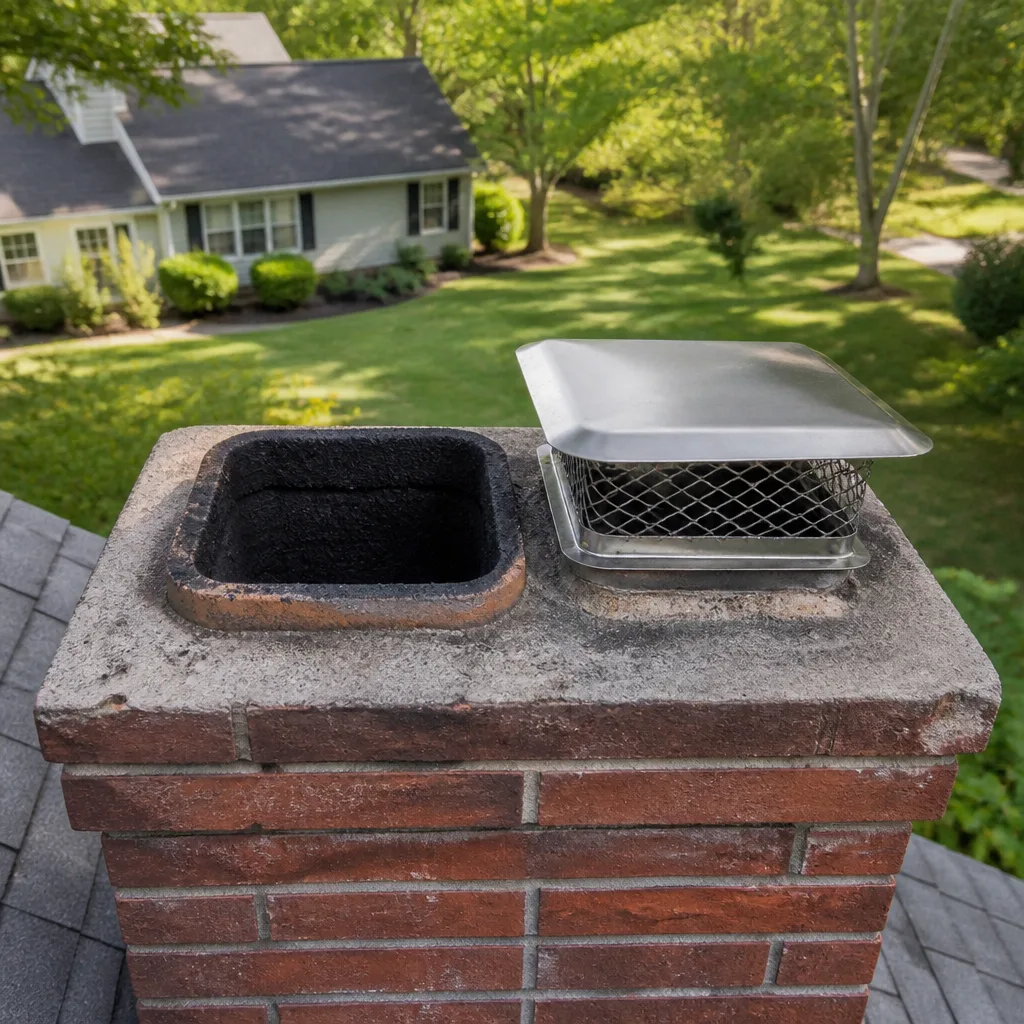
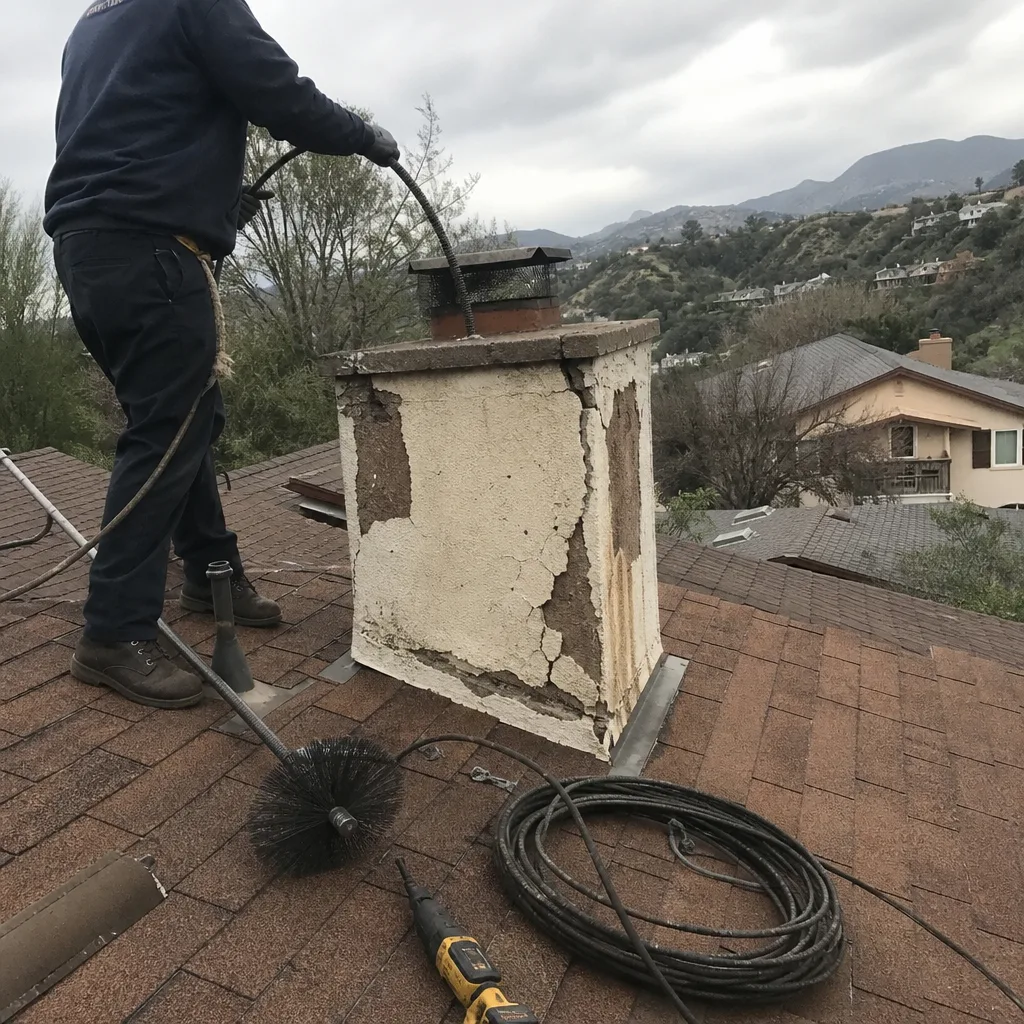 Before
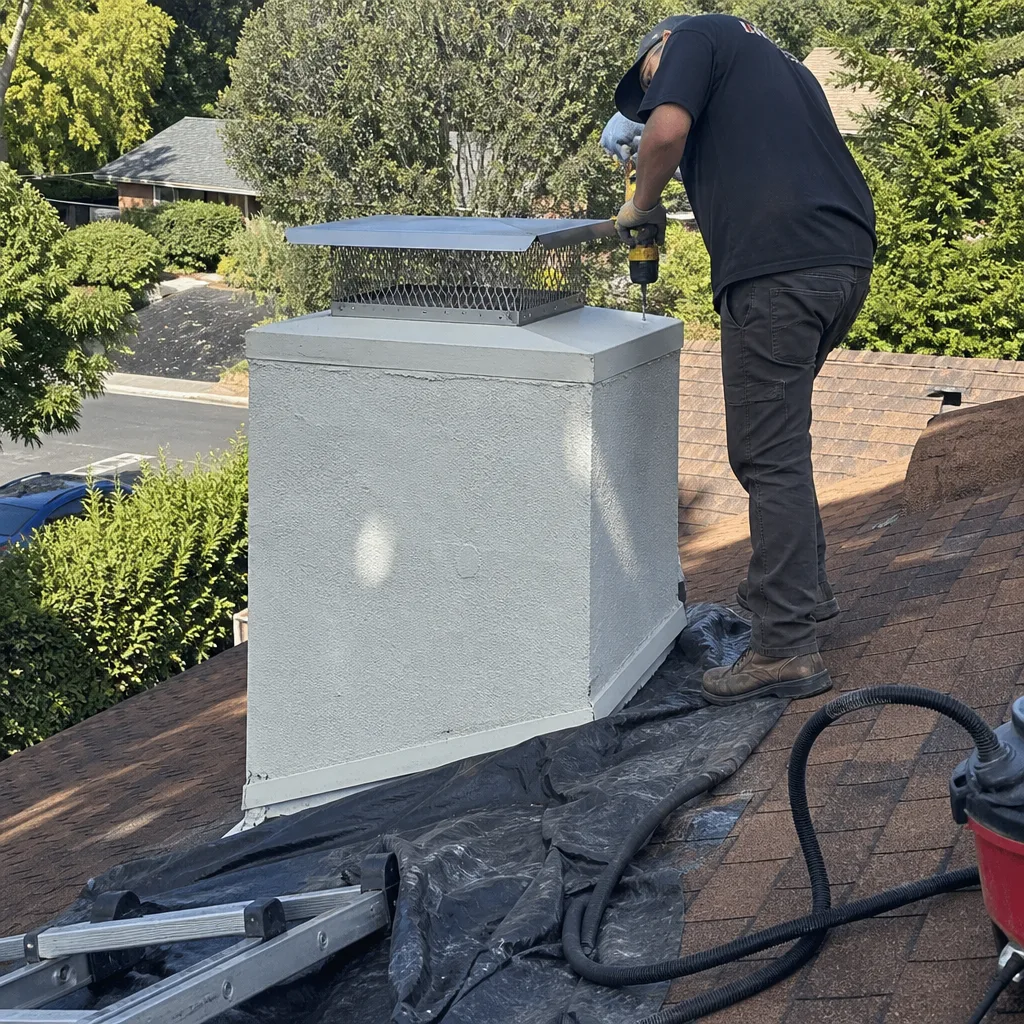 After
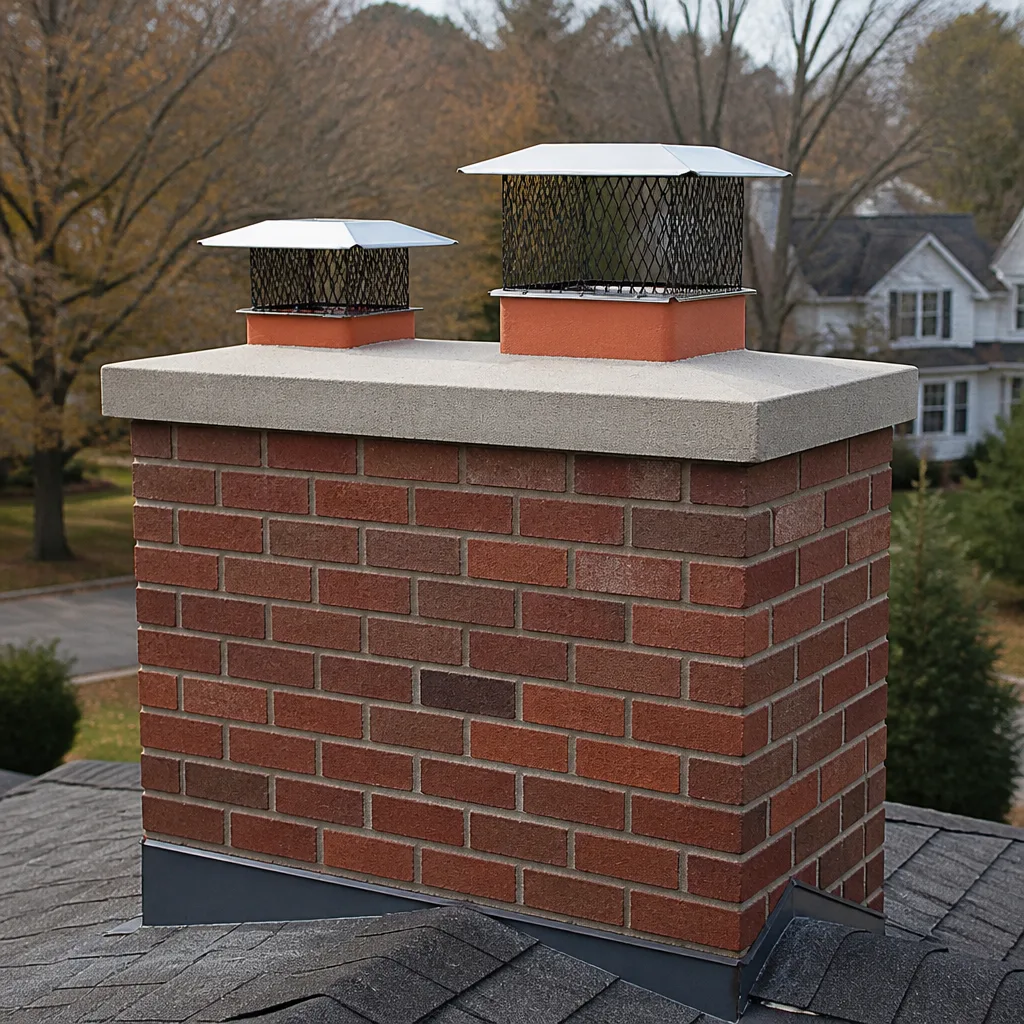
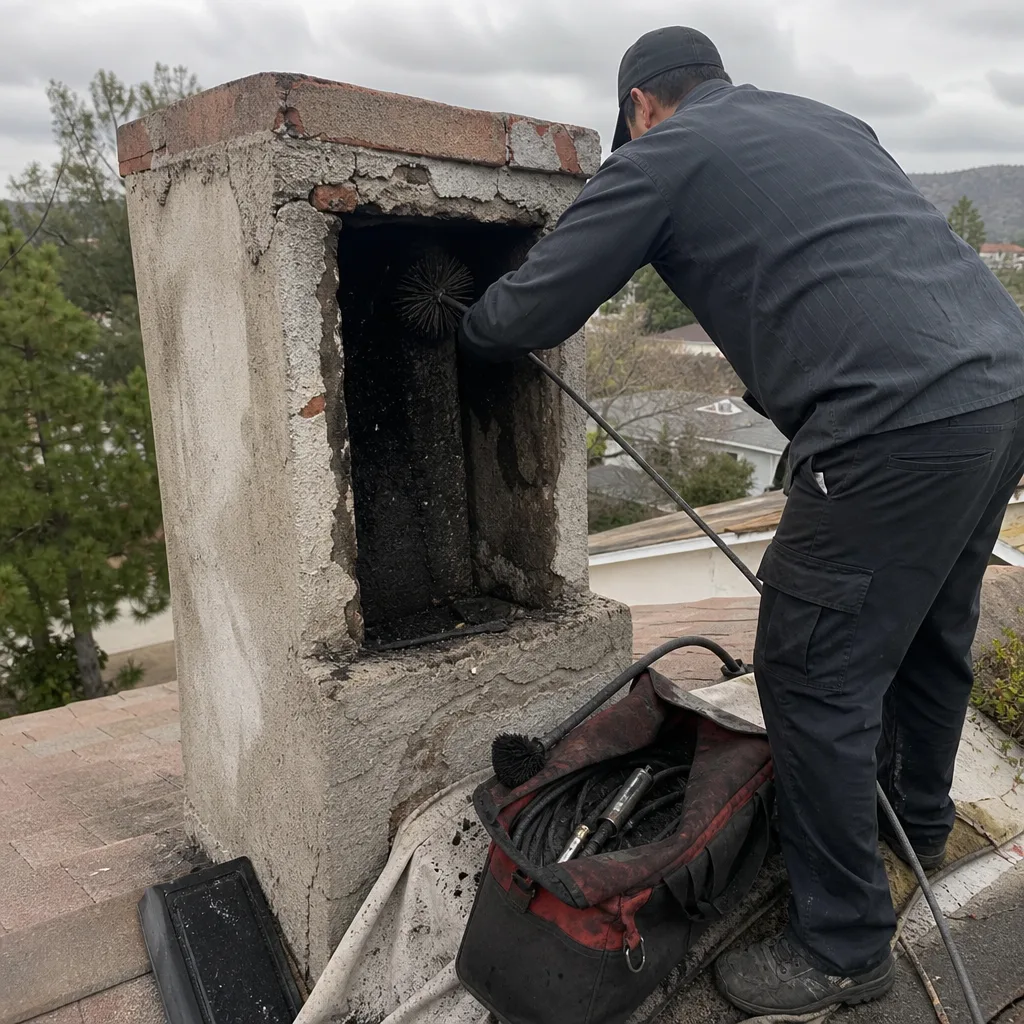 Before
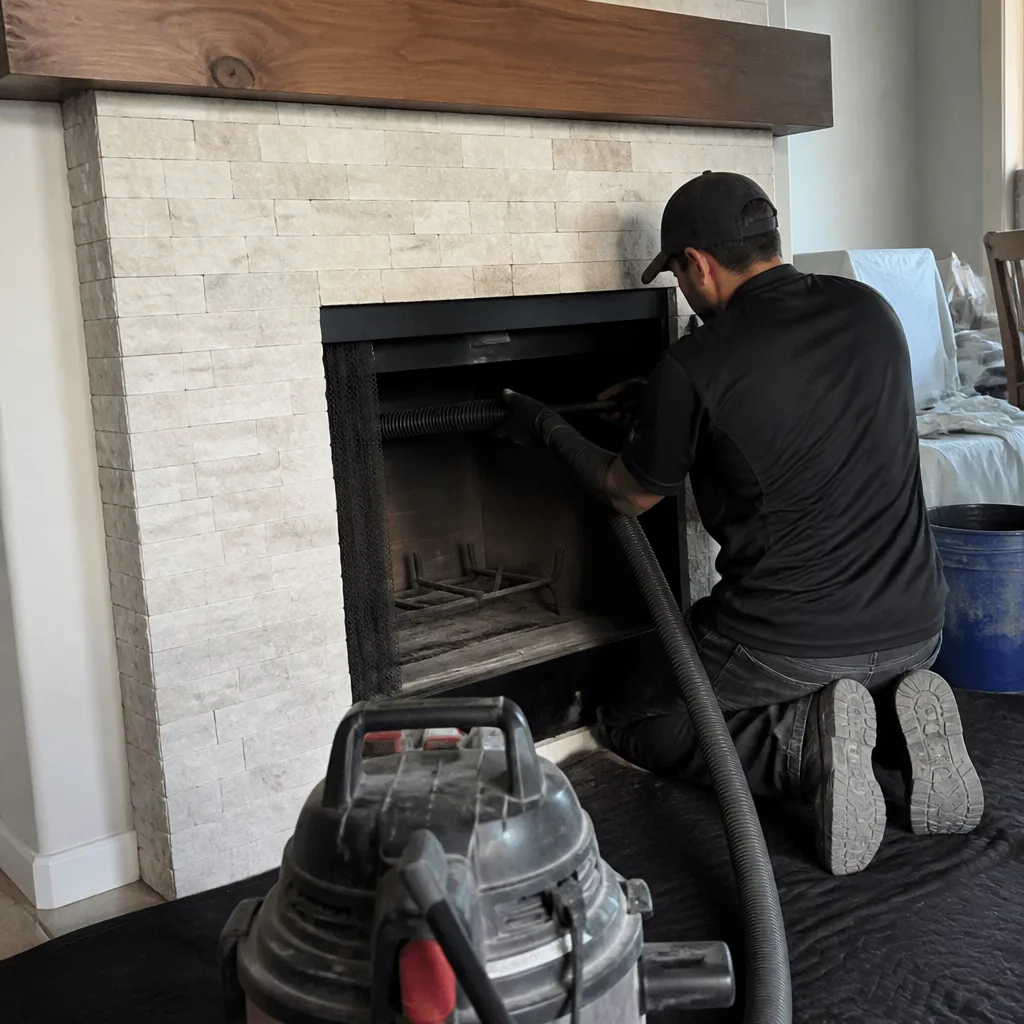 After
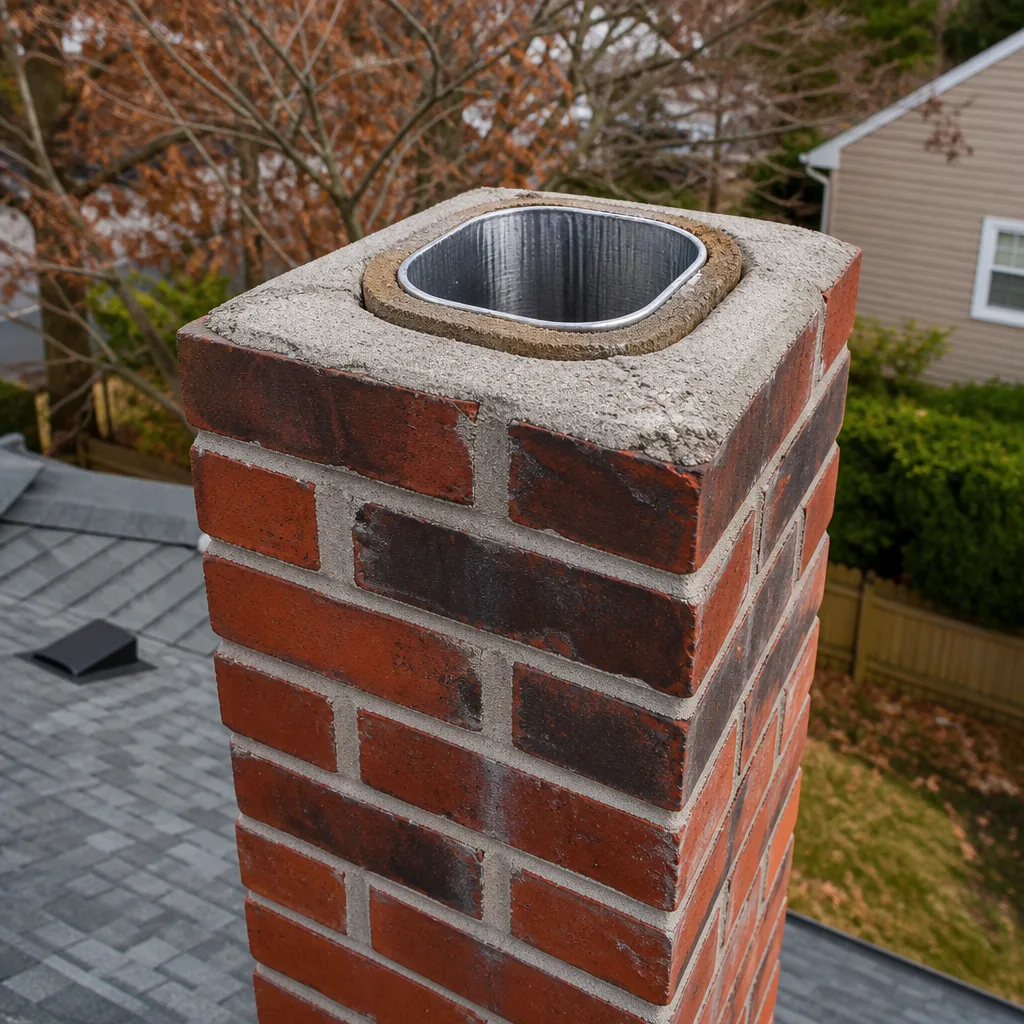
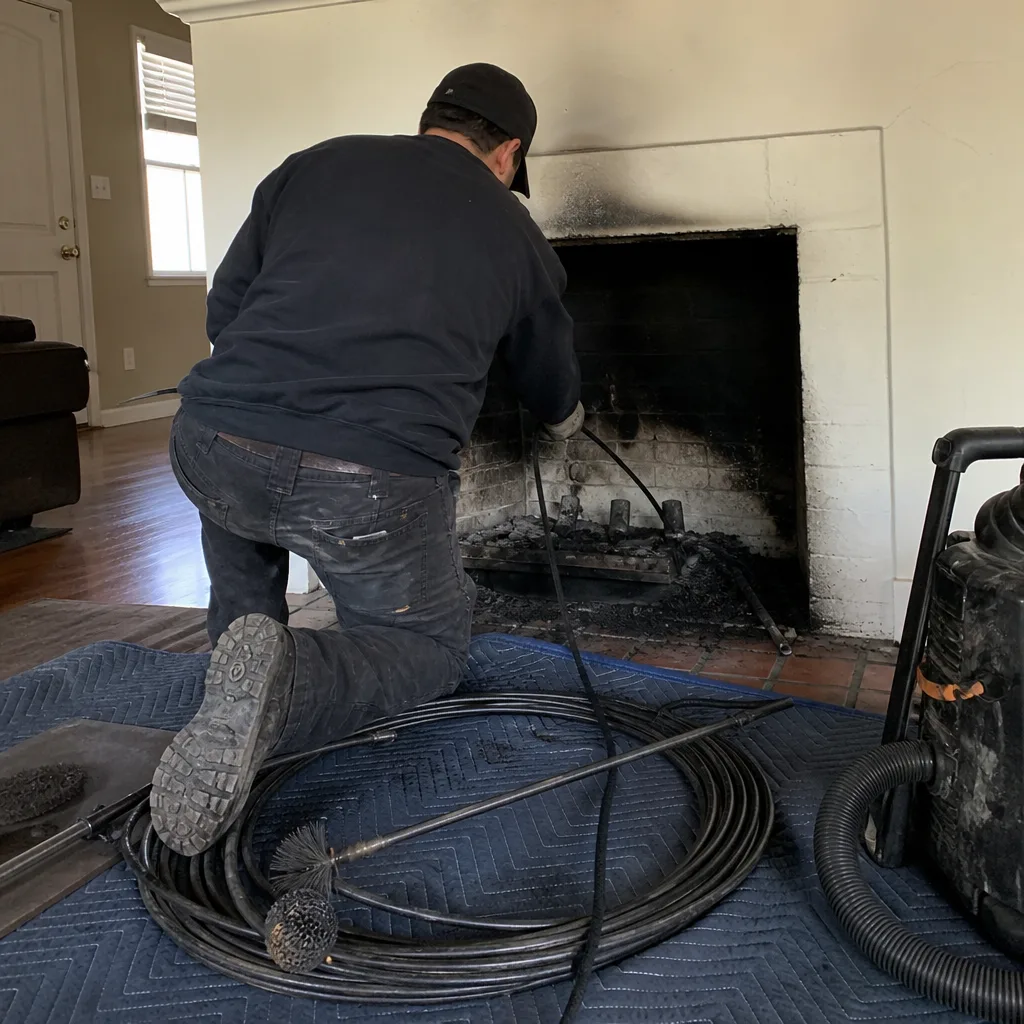 Before
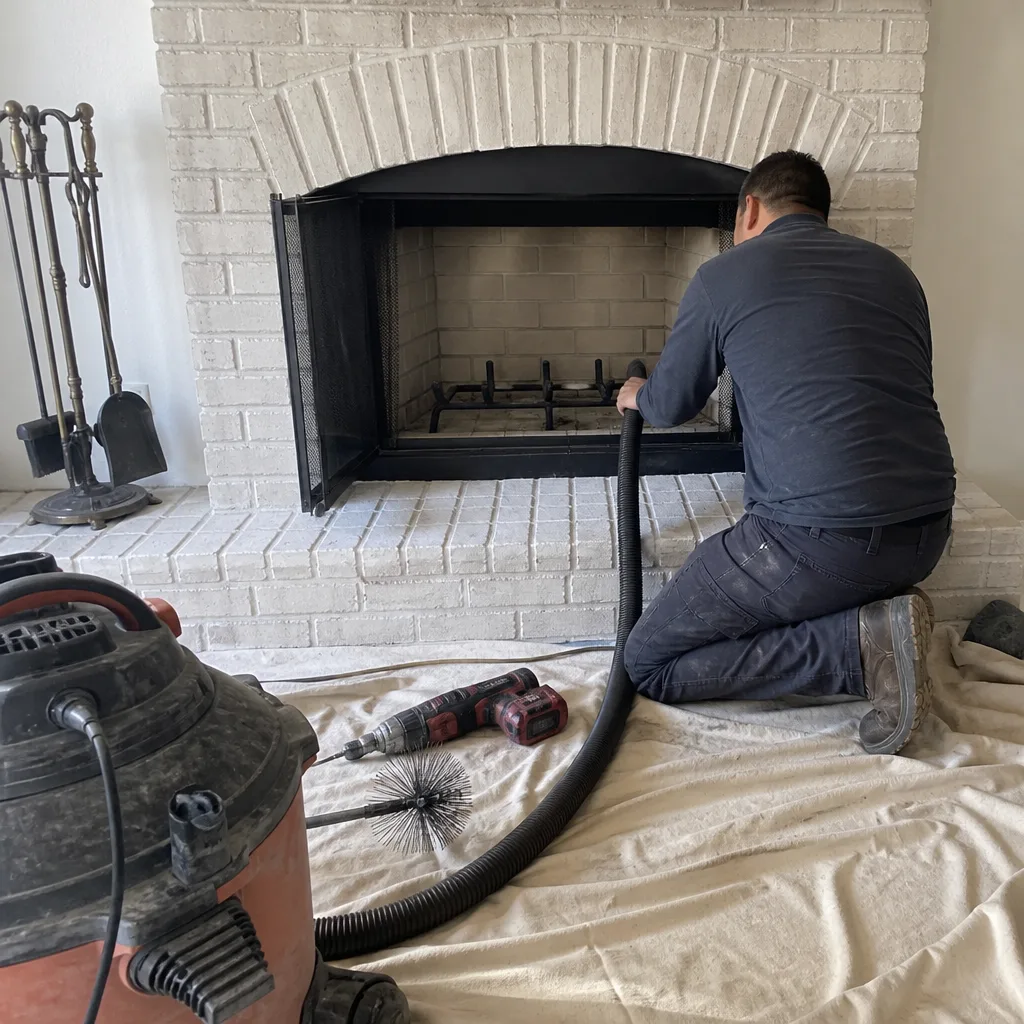 After
When to Call a Professional
Call a professional when your fireplace smokes after the window test and flue priming, when you see glossy Stage 2 creosote above the damper, when you suspect a blockage or a cracked flue tile, when your chimney produces an odor on hot days that does not go away with a cleaning, or when your damper no longer seats. Also call if your chimney is over 30 years old and has never had a camera inspection, or if your dryer vent has not been cleaned in two years or more. These are not guesses. They are the boundaries of safe DIY work. Glendale Chimney Sweep offers free estimates in Glendale. Call (833) 467-6493 and we will tell you what we see, not what we assume.
Frequently Asked Questions
A standard chimney sweeping in Glendale typically runs $180 to $350 depending on flue condition, access, and whether a camera inspection is included. If Stage 2 creosote glaze requires chemical treatment or rotary removal, expect $400 to $800. Call (833) 467-6493 for an exact quote after a visual inspection.
A chimney needs cleaning when you see soot buildup, smell smoke when the fireplace is idle, or notice reduced draft. It needs repair when you hear structural cracking, see spalling debris in the firebox, or a camera inspection reveals cracked or separated flue tiles. The two are different services and different pricing.
Creosote continues to accumulate. Stage 1 becomes Stage 2, then Stage 3. The flue narrows, draft weakens, and the chimney becomes a fire load. A chimney fire may occur, and even if it does not, the flue becomes more expensive to restore the longer it sits. The cheapest sweep is the one you do on schedule.
Summer chimney odor in Glendale is usually draft reversal, not dirt. Air conditioning depressurizes the house, and warm outside air sinks down the flue, carrying creosote odor with it. The fix is a top-sealing damper or a glass door kit, not another sweeping.
Only for light, dry Stage 1 soot in a simple, accessible, modern chimney, and only if you know the flue has no cracked tiles or asbestos-era materials. For anything else, a DIY kit either does not clean the glaze or risks damaging the flue. When in doubt, a camera inspection settles the question for about the cost of the rod kit.
September and October, before the first fires of the season. That is when availability is better, pricing is normal, and your chimney sits clean through the winter. Summer is also fine, especially if you are chasing an odor complaint, but know that a summer odor is often a pressure issue rather than a cleaning issue.
The Bottom Line
Chimney troubleshooting is a diagnostic discipline, not a cleaning service. A smoky fireplace has seven causes, a summer odor is usually draft reversal, Stage 2 creosote cannot be brushed off, and spalling sounds deserve a camera look. The homeowners who get the best outcomes in Glendale are the ones who ask for evidence before paying for parts: a mirror check on the damper, a camera run through the flue, a draft reading, and a technician who can explain which of the seven causes is actually at work. That is the service we provide, and the reason we name the brands we install. Guide your chimney by observation, fix what is actually broken, and let the rest wait.
Written by the team at Glendale Chimney Sweep, serving Glendale since 2011.