Last updated October 30, 2026
 Sweep & inspection
 Caps & crowns
 Flue relining
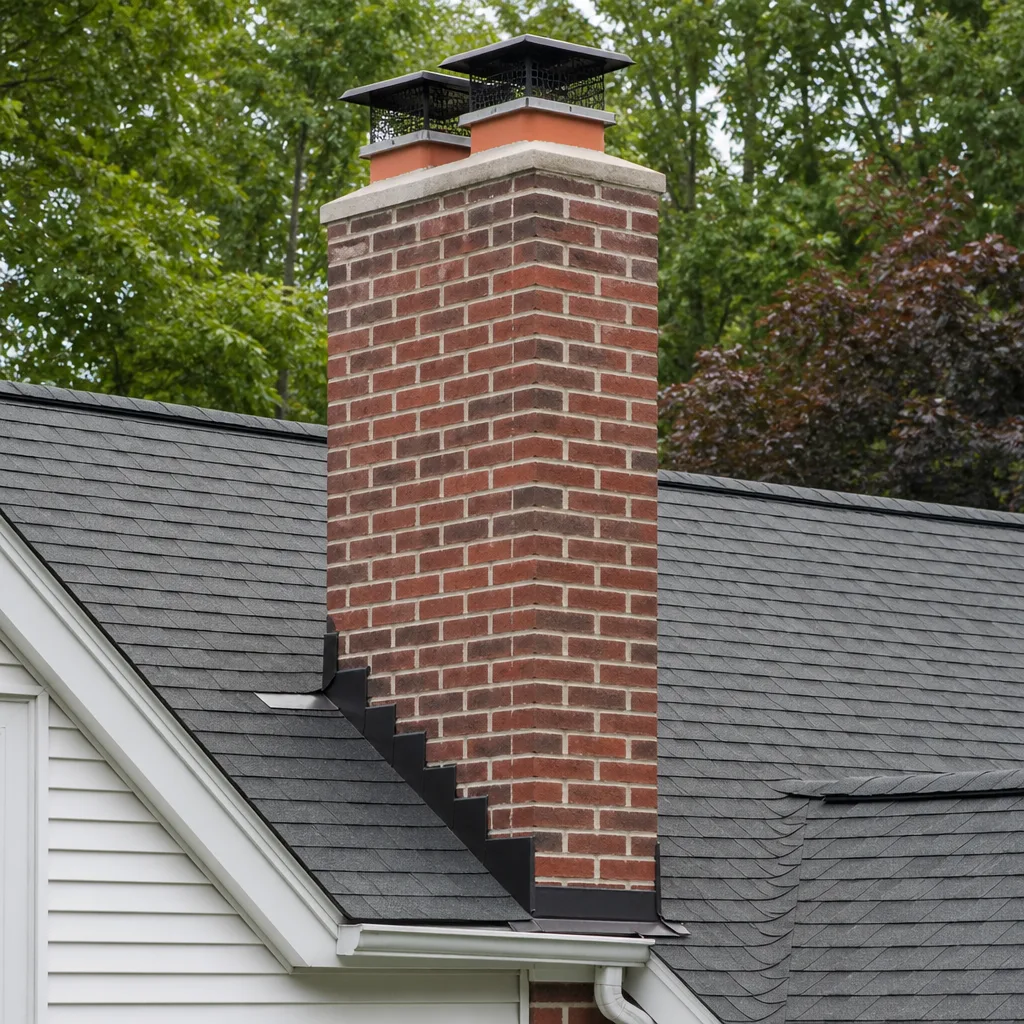 Masonry repair
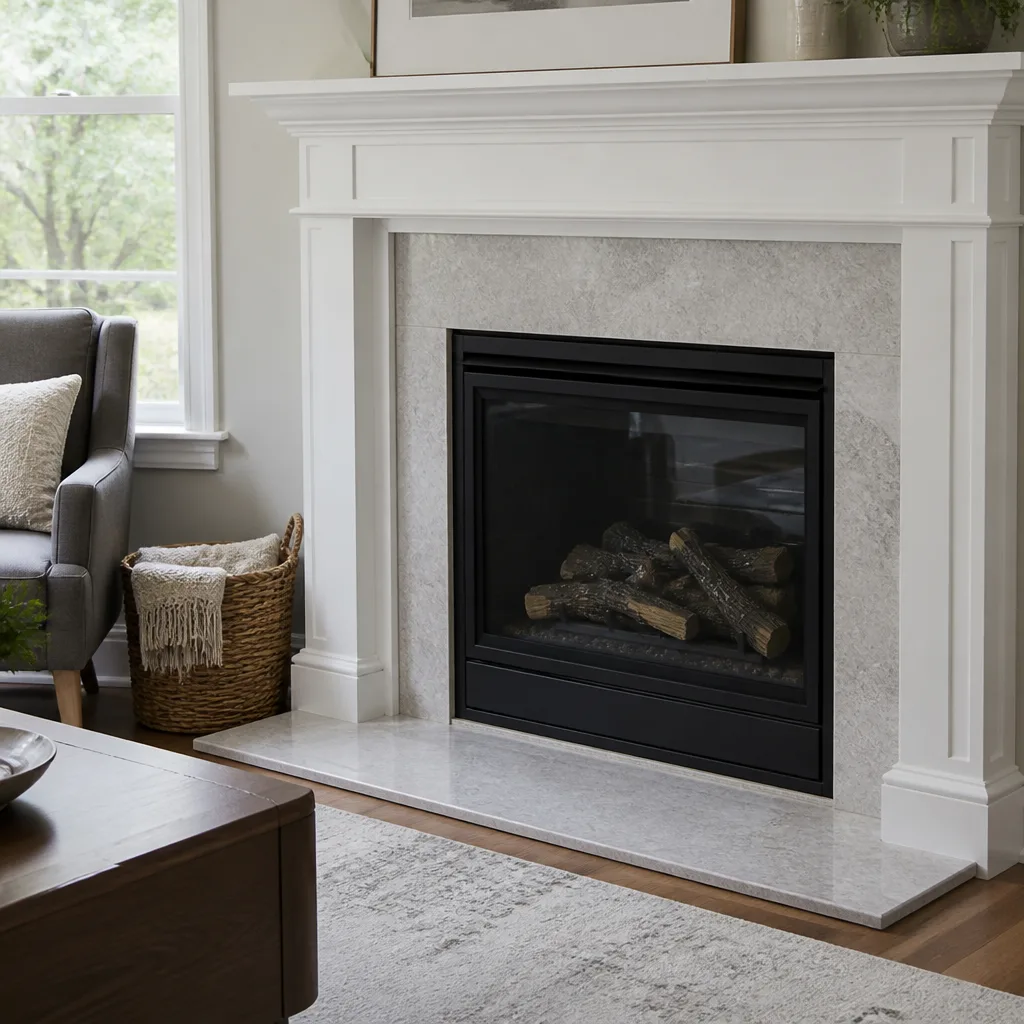 Gas fireplace service
Level 1 sweep and inspection to the NFPA 211 annual standard - flue, crown, cap, and flashing checked and photographed
Chimney sweep logs do not sweep chimneys. They loosen some creosote - which then falls where a brush and vacuum still have to collect it.
The Complete Guide to Chimney Cleaning in Glendale
Most Glendale homeowners use their fireplace fewer than 10 times a year. That sounds like good news for chimney maintenance, but it’s actually the opposite. Low-use chimneys in Southern California’s mild climate develop a particularly stubborn form of creosote glaze that high-use chimneys in colder states rarely see, because the fires that do get lit are often short, cool-burning, and starved for oxygen. This guide explains what a technically sound chimney cleaning actually involves in Glendale, why the region’s seismic activity and older masonry stock change the equation, and what documentation you should expect from a professional sweep. For more guides & resources, see our blog.
Styles & brands we work with
Quick Answer
Chimney cleaning in Glendale CA typically costs between $189 and $350 for a standard sweep of a wood-burning fireplace, and a full-system cleaning that includes the firebox, smoke chamber, flue liner, and cap inspection generally runs $250 to $450 depending on chimney height and creosote stage. The job takes 45 to 90 minutes and should conclude with a written condition report, not just a receipt. For homes with gas inserts or particularly stubborn Stage 2 glazed creosote, specialized cleaning methods and possibly a camera inspection are warranted. If you’re weighing whether to tackle this yourself, read our DIY vs Professional Chimney Cleaning: The Glendale Homeowner’s Decision Guide first.
Table of Contents
- Why Glendale Chimneys Fail Differently
- What a Full-System Cleaning Actually Includes
- Creosote Stages and What They Mean for Your Chimney
- How a Professional Chimney Cleaning Works, Step by Step
- Seismic Activity, Mortar Joints, and Why Inspections Matter After Tremors
- Clay Tile Liners vs. Older Unlined Masonry: Why the Cleaning Method Changes
- Documentation: Why a Written Report Matters for Insurance and Resale
- Common Mistakes to Avoid
- When to Call a Professional
- Frequently Asked Questions
- The Bottom Line
Why Glendale Chimneys Fail Differently
Chimney problems in Glendale don’t follow the national playbook. In the Midwest or Northeast, sweeps deal primarily with high-volume creosote buildup from daily burning. Here, the failure patterns are quieter and often more structural. We see three recurring issues across homes in the Adams Hill, Rossmoyne, and Verdugo Woodlands neighborhoods that a generic cleaning checklist won’t catch.
First, infrequent burning produces a specific creosote profile. A fire that burns for two hours on a cool December evening never gets the flue hot enough to push combustion byproducts out efficiently. The smoke lingers, condenses, and forms a hard, shiny glaze on the flue walls. This Stage 2 creosote is denser and more difficult to remove than the flaky Stage 1 variety common in high-use chimneys. Standard wire brushing won’t touch it.
Second, Glendale’s older housing stock means many chimneys date to the 1920s through 1950s. These original masonry stacks were built to codes that no longer apply. The mortar used then was softer, and decades of Southern California’s dry heat followed by seasonal rain cycles have taken a toll. What looks like a dirty chimney from the outside is often a chimney with failing mortar joints.
Third, and most Glendale-specific: we sit in the San Gabriel Valley’s seismic zone. Even minor tremors that don’t damage drywall can shift chimney masonry enough to open hairline cracks in flue liners. Those cracks aren’t visible from the firebox, and a standard sweep won’t identify them. A chimney that gets cleaned but not inspected after seismic activity can pass a visual check and still be unsafe.
This is why we approach chimney sweep in Glendale as a diagnostic process, not just a brushing service. The cleaning reveals what’s happening inside the flue, but only if someone knows what to look for in this specific geological and climate context.
What a Full-System Cleaning Actually Includes
A surface cleaning and a full-system cleaning are not the same thing, and the difference matters for both safety and longevity. Many homeowners assume a chimney sweep means running a brush up the flue and calling it done. That handles only one component of a six-part system.
A proper full-system chimney cleaning in Glendale should address every component where combustion residue accumulates or where failure can begin:
- Firebox: The chamber where the fire burns. Ash removal is the baseline, but a proper cleaning also checks for cracked firebrick, deteriorated refractory mortar, and improper clearance to combustible framing.
The angled transition area above the firebox and below the flue. This is the most overlooked part of residential chimneys. Creosote accumulates on the corbeled brickwork, and because the chamber is hard to access, many sweeps skip it. We don’t. - Flue liner: The vertical passage that carries smoke and gases out. For most Glendale homes, this is terra cotta clay tile. The cleaning method depends on whether the liner is intact, cracked, or absent entirely.
- Smoke shelf: The flat area behind the damper. Debris, creosote, and even bird material collect here. Miss it, and you get smoky backdrafts and odors.
- Damper assembly: The metal plate that opens and closes the flue. It needs to seat properly or cold air, dust, and even embers move the wrong direction.
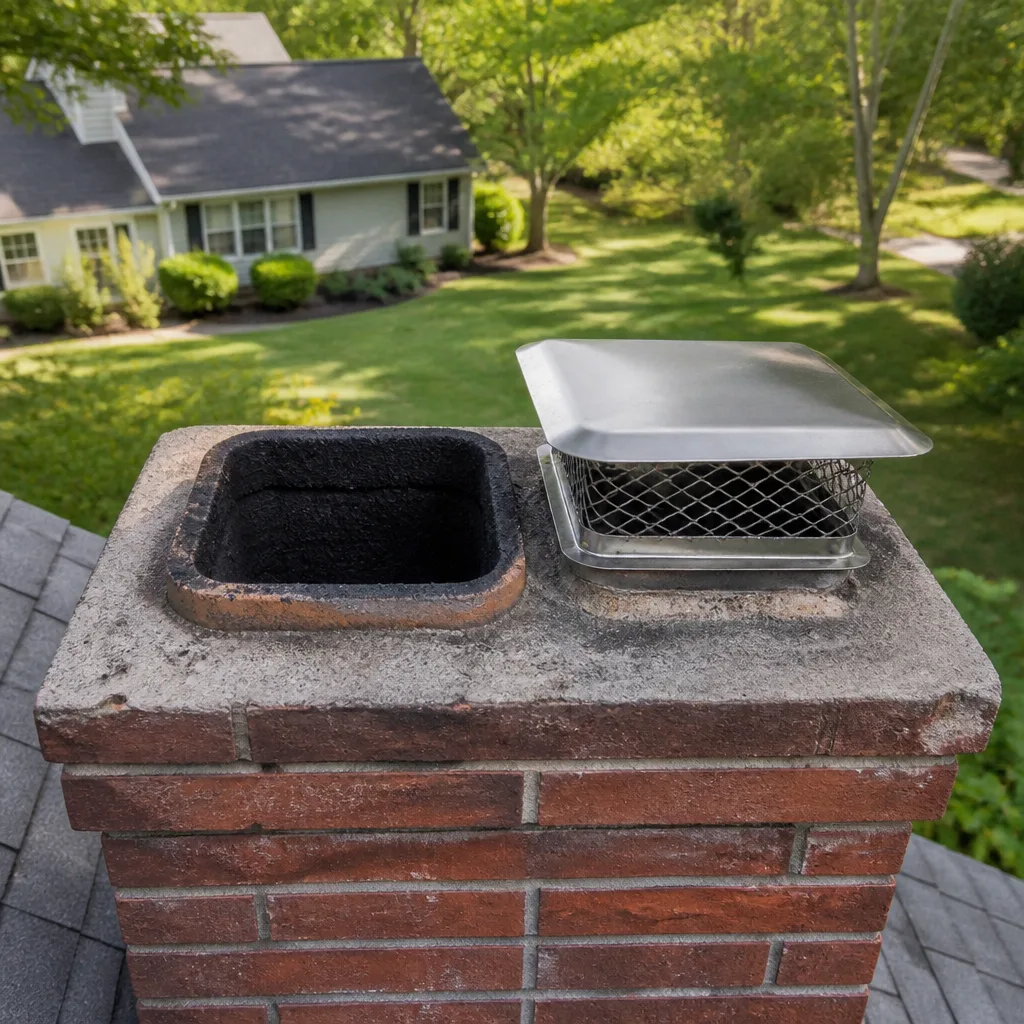
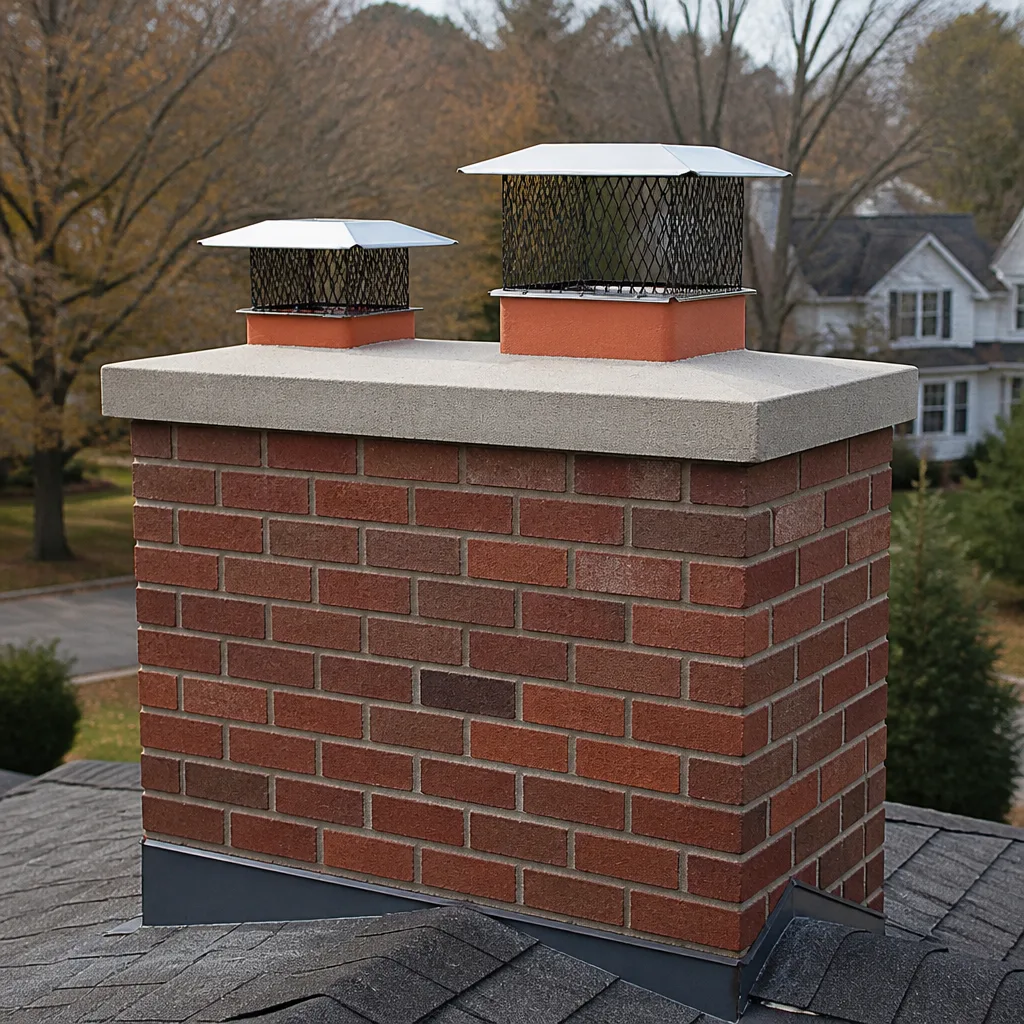
- Chimney cap and crown: The top of the system. A damaged cap lets rain in, which mixes with creosote to form an acidic slurry that degrades masonry from the inside.
Skipping any one of these components leaves a weakness. A flue can be perfectly clean while the smoke chamber holds enough creosote to fuel a chimney fire. In our experience, homes in Glendale that have gone more than three years without service almost always have smoke chamber buildup that the previous cleaning missed.
Creosote Stages and What They Mean for Your Chimney
Creosote is not one substance. It forms in three distinct stages, and each requires a different removal method. Understanding which stage you’re dealing with explains why some chimneys can be cleaned in 45 minutes and others need hours of mechanical work.
Stage 1: Flaky dust. This is the earliest form, a fine, powdery or flaky deposit that brushes off easily. Standard wire brushing handles it. Stage 1 is what you’d expect from a well-seasoned wood fire burning hot and clean. It’s uncommon to find Stage 1 only in Glendale’s low-use fireplaces, because even moderate creosote that sits for months hardens into the next stage.
Stage 2: Glazed or tar creosote. This is the stage we see most often in Glendale. It forms when creosote deposits cool and condense repeatedly without being burned off or removed. The result is a shiny, hard, tar-like layer that resists wire brushing. Removing Stage 2 requires rotary loop tools or chemical treatments that break down the glaze before mechanical removal. This is the stage that surprises homeowners: they burned only a few fires, so how did their chimney get this bad? The answer is time. Creosote hardens as it ages, and Southern California’s low-use pattern gives it months or years to cure.
Stage 3: Dense, candied buildup. At this point, the creosote has become a thick, hardened layer that can flake off in large pieces. Stage 3 is a chimney fire waiting to happen and often requires aggressive mechanical removal, sometimes including chemical treatments over multiple visits. We see Stage 3 most often in chimneys that haven’t been cleaned in five or more years or in systems that have already experienced a small, undetected chimney fire.
The cleaning method has to match the stage. Glendale’s climate creates a pattern of Stage 2 creosote even in what looks like lightly used fireplaces. That’s why we don’t quote a chimney cleaning over the phone without knowing the home’s burning history and approximate chimney age, and we don’t stop at the first layer of what a brush removes.
How a Professional Chimney Cleaning Works, Step by Step
Here’s what a technically sound chimney cleaning looks like from start to finish. This is the process we follow in Glendale, and it’s the standard you should expect, not a premium exception.
- Pre-inspection and floor protection. Before any tool touches the chimney, we lay drop cloths from the entry to the hearth, cover furniture within 10 feet with plastic sheeting, and run a HEPA-filtered vacuum to establish the baseline. A visual check of the firebox, damper, and accessible flue follows. If we spot signs of structural damage, we pause and discuss options before proceeding.
- Cap and crown check. Most chimney problems start at the top. We access the roof, inspect the cap, crown, and flue termination, and photograph any damage. This is also where we identify whether the cap can be cleaned in place or needs removal for full flue access.
- Flue brushing matched to liner type and creosote stage. For Stage 1 deposits on intact clay tile, a properly sized wire brush makes the pass. For Stage 2 glaze, we use rotary loops with nylon or poly bristles sized to the exact flue dimensions. The brush size matters: a 13×13 flue needs a 13×13 brush. Guesswork here either leaves creosote behind or damages the liner.
- Smoke chamber and smoke shelf cleaning. This is the step many sweeps skip. We work from both the firebox and, when accessible, from the top of the chimney to reach the corbeled brickwork. Hand scraping and a specialized vacuum attachment remove what brushing alone cannot.
- Firebox and damper service. We remove accumulated ash and debris, wire-brush the firebrick, check the damper seal and operation, and note any cracks in refractory panels. If we find damage, we document it with photos and add it to the written report.
- Final visual inspection and report. After cleaning, we run a visual check of the full flue with a mirror or, when conditions require, a camera. Then we compile the written condition report: what was found, what was done, what needs monitoring, and what needs repair.
The whole process for a standard Glendale wood-burning fireplace takes 45 to 90 minutes. A chimney with Stage 2 glazed creosote or a long-forgotten smoke chamber adds time, and we’d rather spend that time than leave a partially cleaned system.
Seismic Activity, Mortar Joints, and Why Inspections Matter After Tremors
Glendale sits on the edge of the Verdugo Fault and within the broader San Gabriel Valley seismic zone. The 1971 Sylmar earthquake and the 1994 Northridge earthquake both caused structural damage in Glendale, and smaller tremors occur regularly enough that local building codes acknowledge the risk. For chimney owners, this isn’t abstract geology. It directly affects the integrity of the masonry stack.
When the ground shifts, even subtly, chimney masonry moves as a unit. The mortar joints, which are meant to flex slightly, can crack under sudden lateral force. The result is often hairline separation between flue tiles, cracked crown mortar, or weakened brick-to-mortar bonds. None of these are visible from the living room, and none are addressed by brushing the flue.
This is why we recommend a Level 2 inspection after any earthquake strong enough to rattle windows or knock items from shelves. A Level 2 inspection includes everything in a standard visual check plus camera access to the full flue interior, with particular attention to mortar joint gaps and liner alignment. The camera reveals shifts that would otherwise go undetected until smoke begins entering the home through cracks, or worse, a chimney fire finds an escape route into the framing.
For homes with chimney repair in Glendale needs, catching seismic damage early is the difference between repointing a few mortar joints and rebuilding the upper third of a chimney. If you felt a significant tremor, don’t assume everything is fine because the fireplace still draws. The failure pattern in seismic zones is often invisible for months or years before it becomes dangerous.
Clay Tile Liners vs. Older Unlined Masonry: Why the Cleaning Method Changes
Most Glendale homes built after 1940 have terra cotta clay tile flue liners. Homes built earlier often have unlined masonry chimneys, where the flue is simply the interior surface of the brick stack itself. These two systems require different cleaning approaches, and using the wrong method causes damage.
Clay tile liners are relatively smooth and uniform. They handle rotary cleaning well, provided the brush is correctly sized and the liner is intact. But clay is brittle. A crack in a clay tile, whether from seismic shifting or thermal stress, can snag a brush and worsen the damage. Before we run mechanical tools through a clay-lined flue, we evaluate the condition of the tiles. If damage is present, we’ll discuss options before proceeding.
Unlined masonry chimneys are different. The interior surface is rough, irregular, and often has deep mortar recesses where creosote binds aggressively. Brushing alone won’t fully clean an unlined flue. We use a combination of hand scraping, rotary tools at lower speeds, and sometimes chemical treatments. Even then, an unlined chimney will never be as clean or as safe as a properly lined one. For unlined systems, we always flag the condition in writing and discuss whether a liner should be considered.
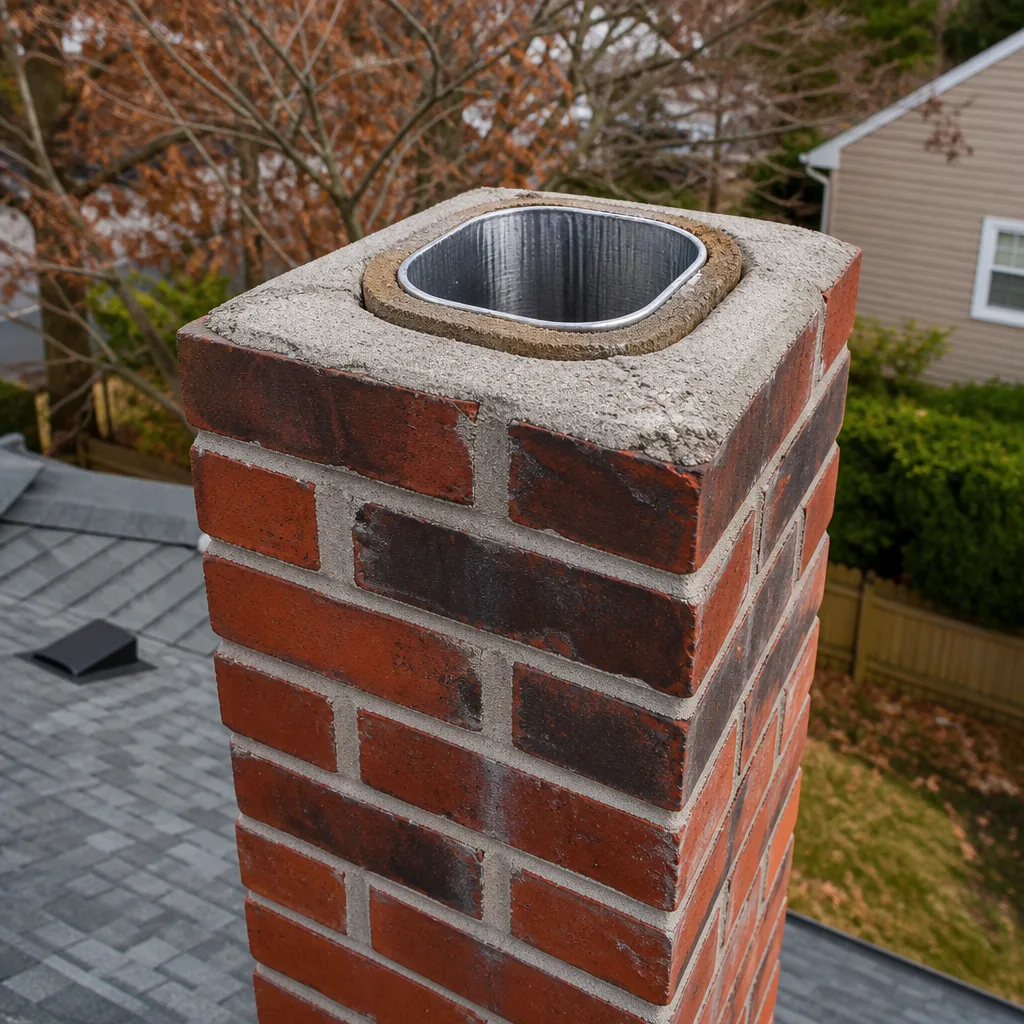
For chimneys where the clay liner is cracked, spalled, or deteriorating, we offer HeatShield resurfacing as an alternative to full relining. HeatShield is a specialized ceramic sealant system that restores a damaged flue from the inside without the tear-out a full relining requires. It’s a capability most sweep-only companies don’t have, and it’s particularly relevant in Glendale, where seismic damage to clay liners is common. For offset or retrofit configurations where rigid liners won’t fit, we install DuraFlex flexible liner systems. These are the same materials professional chimney contractors specify, and we name them because the brand matters for longevity and code compliance.
Documentation: Why a Written Report Matters for Insurance and Resale
A chimney cleaning should produce more than a receipt. A proper written condition report serves three practical purposes, and Glendale homeowners are increasingly asking for it before hiring. If you’re not sure what to look for in a sweep, our How to Hire a Chimney Cleaning Contractor in Glendale: A Step-by-Step Guide covers the vetting process.
First, insurance. If a chimney fire or CO incident occurs, an insurance adjuster will want to know the system was maintained. A dated report from a professional chimney company, with photos and condition notes, is documentation you were not negligent. A handwritten receipt that says “swept chimney” doesn’t carry the same weight.
Second, resale. In LA County’s competitive real estate market, a chimney inspection report from a credentialed sweep is a small document that smooths a sale. Buyers and their inspectors look at fireplaces, and a seller who can produce maintenance records sidesteps a common negotiation point. Homes in Glendale’s historic districts, including Rossmoyne and El Miradero, often have original fireplaces that haven’t been serviced properly in decades. The report matters.
Third, accountability. A written report tells you exactly what was found, what was done, and what wasn’t done. It should include: the condition of the flue liner (with photos where possible), the creosote stage found, any cracks or damage identified, any areas that could not be accessed, and recommendations for follow-up. If your sweep can’t or won’t provide this, the cleaning wasn’t complete.
We provide a written condition report with every chimney cleaning in Glendale. It’s not an add-on and it’s not optional. It’s the difference between a service you can verify and one you’re taking on faith.
For homeowners who use their dryer frequently, dryer vent cleaning in Glendale carries the same documentation value. Lint-clogged dryer vents are a recognized fire hazard, and a dated cleaning record matters for the same insurance and resale reasons.
Common Mistakes to Avoid
- Assuming low use means no cleaning needed. Glendale’s mild climate means many fireplaces go months or years between uses. That’s precisely when creosote hardens into Stage 2 glaze. Low use is a reason to clean, not to skip it.
- Hiring a sweep who only brushes the flue. If the smoke chamber, smoke shelf, and damper assembly aren’t addressed, the system isn’t clean. Ask what the service includes before booking.
- Skipping the inspection after an earthquake. Seismic activity in the San Gabriel Valley can crack flue liners and mortar joints without any visible signs from the ground. If you felt a tremor, get the chimney checked.
- Using a generic brush on a clay liner. An oversized or damaged brush can worsen existing cracks. The brush needs to match the flue dimensions and liner condition.
- Treating a chimney fire as a one-time event. Even a small chimney fire that seems to resolve itself can damage the flue liner. The system needs a camera inspection before being used again.
- Ignoring what the report says. A sweep who flags cracked tiles or a deteriorated smoke chamber isn’t upselling you. These are structural issues that get more expensive to fix the longer they wait.
When to Call a Professional
Chimney cleaning is not a DIY project, and in Glendale the reasons go beyond the obvious safety concerns. The specific failure patterns in this region, seismic damage, Stage 2 creosote buildup, aging clay liners, require trained eyes and the right equipment. Call a professional if your chimney has not been cleaned in over a year, if you notice a strong campfire smell even when the fireplace is cold, if smoke backs into the room during use, or if you’ve felt a significant earthquake since the last inspection. If you see flaking tile pieces in the firebox or hear loose debris falling when you open the damper, stop using the fireplace and get it inspected. Glendale Chimney Sweep offers free estimates in Glendale, call (833) 467-6493.
Frequently Asked Questions
A standard chimney cleaning in Glendale typically costs $189 to $350, with full-system cleanings running $250 to $450 depending on chimney height and creosote stage. Factors that affect the price include whether the chimney is one story or two, how long it’s been since the last cleaning, and whether Stage 2 or Stage 3 creosote requires specialized removal methods. Call (833) 467-6493 for an exact quote, estimates are free.
The National Fire Protection Association recommends cleaning when creosote buildup reaches 1/8 inch, which for most Glendale fireplaces translates to every 1 to 2 years regardless of use frequency. Low-use fireplaces still need service because creosote hardens over time and becomes more difficult to remove. A good rule for the Glendale area: schedule a cleaning every 12 to 18 months and after any significant earthquake.
Skipping cleaning allows creosote to progress from flaky Stage 1 to hard, glazed Stage 2 and eventually to dense Stage 3, which is the fuel for chimney fires that can reach 2,000 degrees and crack flue liners. In Glendale’s older masonry homes, a chimney fire often means the difference between a simple cleaning and a full liner replacement. The risk is silent and cumulative.
Not all liner damage requires a full relining. Cracked clay tiles can often be restored with HeatShield resurfacing, a ceramic sealant system applied inside the existing flue. We recommend nothing without camera evidence you can see for yourself, and we’ll tell you plainly when a liner can safely wait. For offset or retrofit chimneys where rigid liners won’t fit, DuraFlex flexible liner systems handle the configuration well.
Hardware-store brush kits can remove loose Stage 1 creosote, but they won’t address Stage 2 glaze, smoke chamber buildup, or structural issues in the flue, and on damaged clay liners they can make cracks worse. Chimney cleaning on a masonry system involves working at height and handling tools inside a confined flue. This is one task where the cost of a professional is less than the cost of getting it wrong.
Glendale follows California building codes that require proper flue lining, adequate clearance to combustibles, and working spark arrestors on wood-burning fireplaces. Older homes may be grandfathered under previous codes, but any repair or relining work must meet current standards. A professional sweep familiar with local Glendale enforcement can tell you whether your system meets code and what a repair would require.
The Bottom Line
Chimney cleaning in Glendale is not a checkbox service. The region’s mild climate produces hard, glazed creosote even in lightly used fireplaces. Seismic activity in the San Gabriel Valley cracks mortar joints and flue liners in ways that brushing alone will never reveal. Older masonry homes across Adams Hill, Rossmoyne, and the Verdugo Woodlands carry decades of deferred maintenance. A proper cleaning addresses the full system, the firebox, smoke chamber, flue liner, damper, and cap, and produces a written report you can use for insurance and resale. The goal isn’t just a clean chimney. It’s a verifiably safe one. Glendale Chimney Sweep home is where you can learn more about our approach to full-system cleaning and material-specific repair.
Written by the team at Glendale Chimney Sweep, serving Glendale since 2011.
See the difference
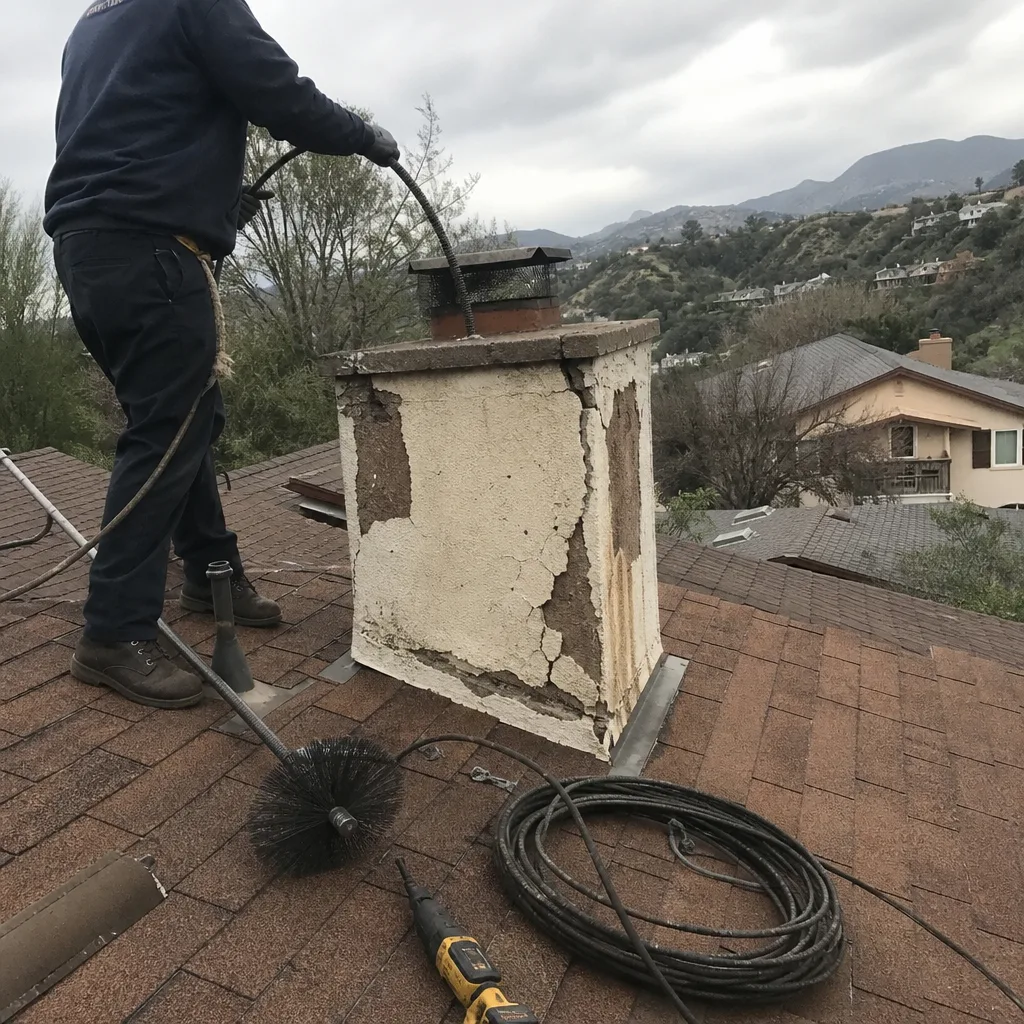 Before
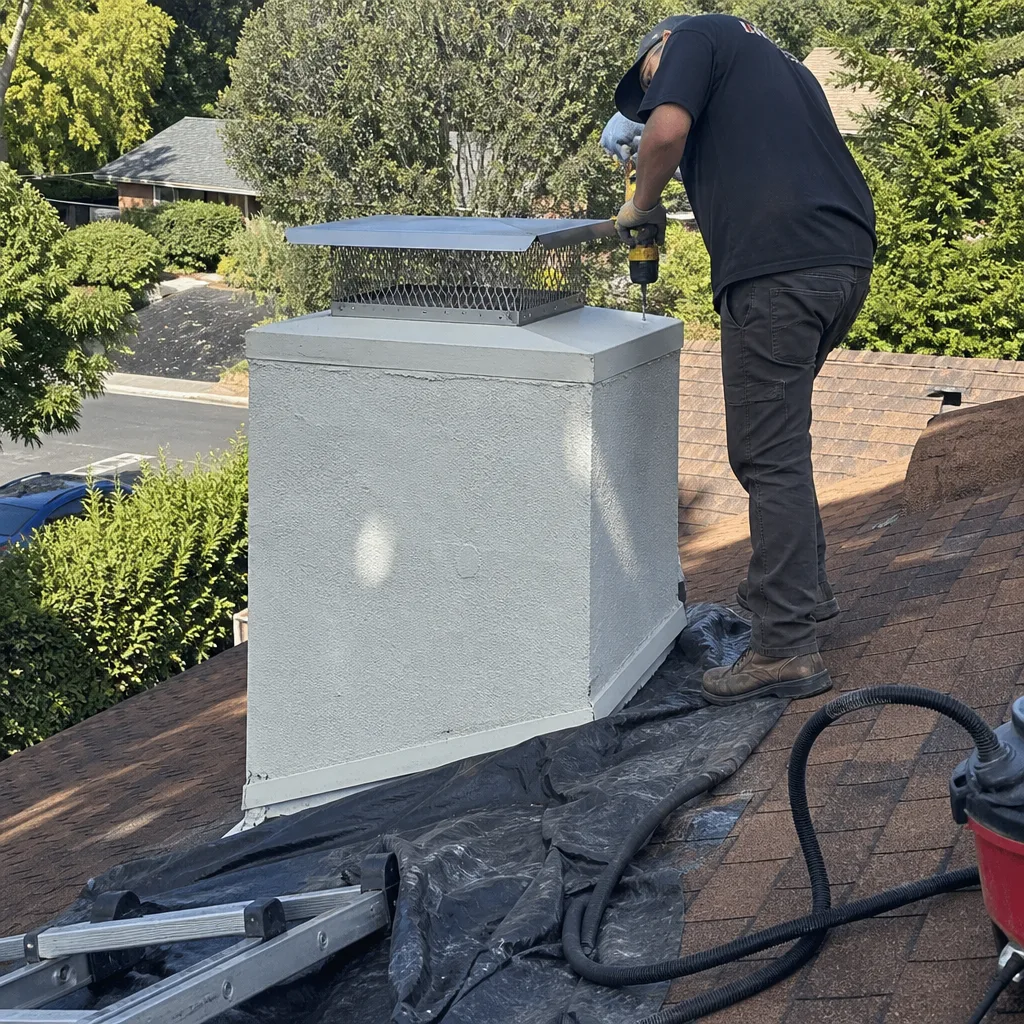 After
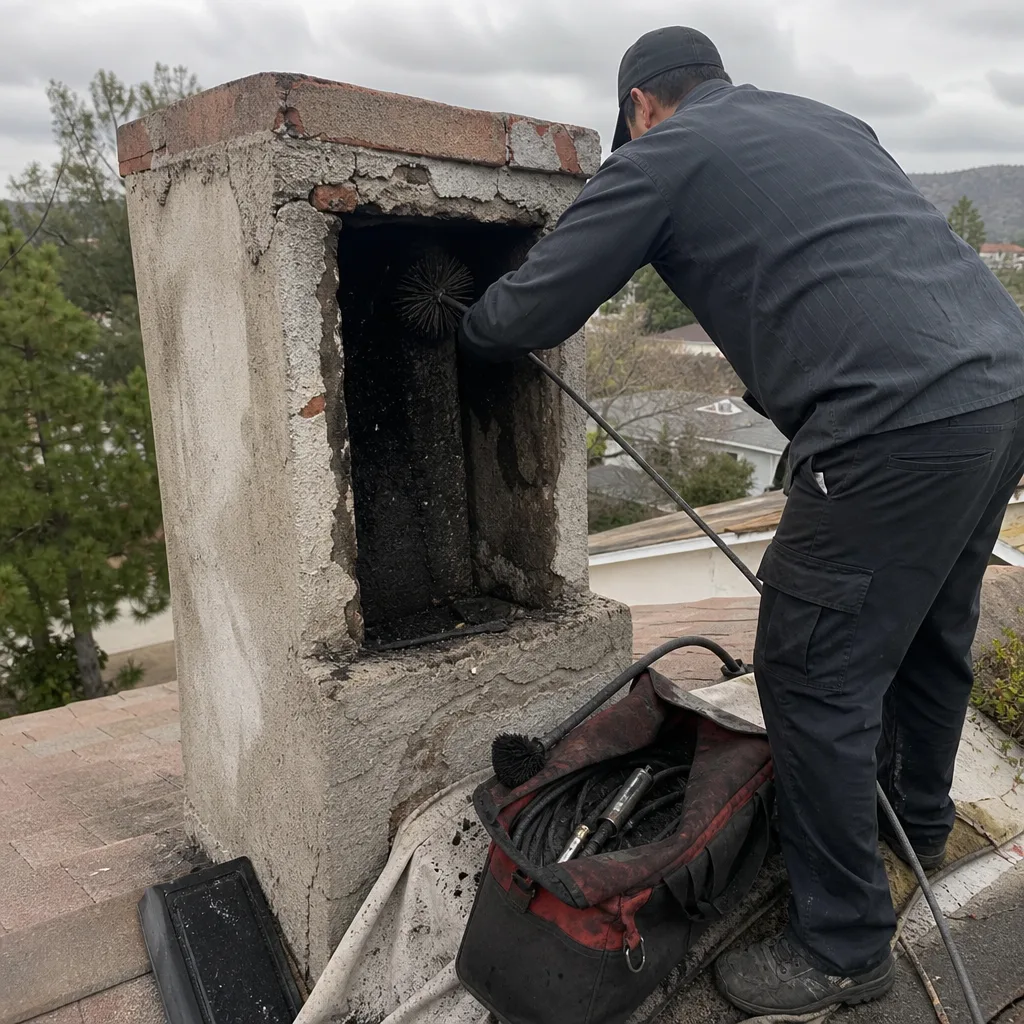 Before
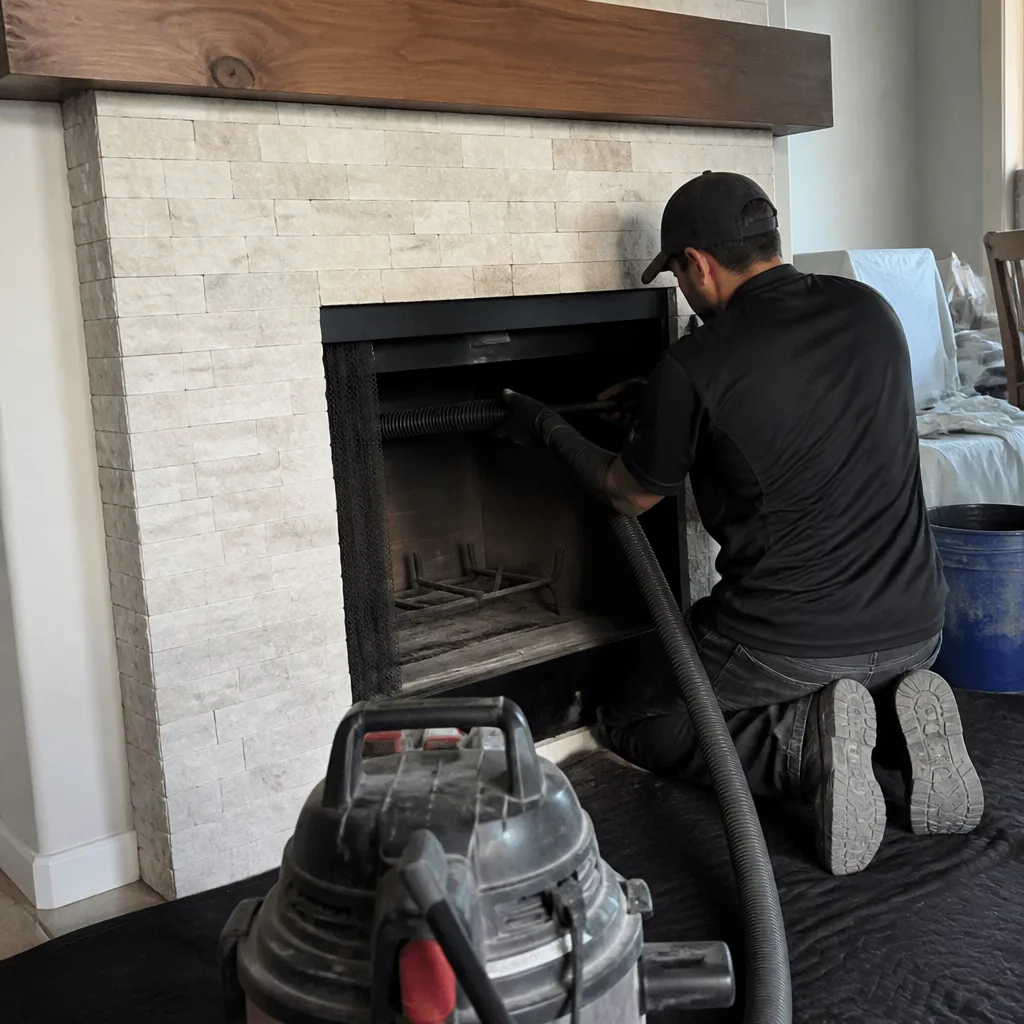 After
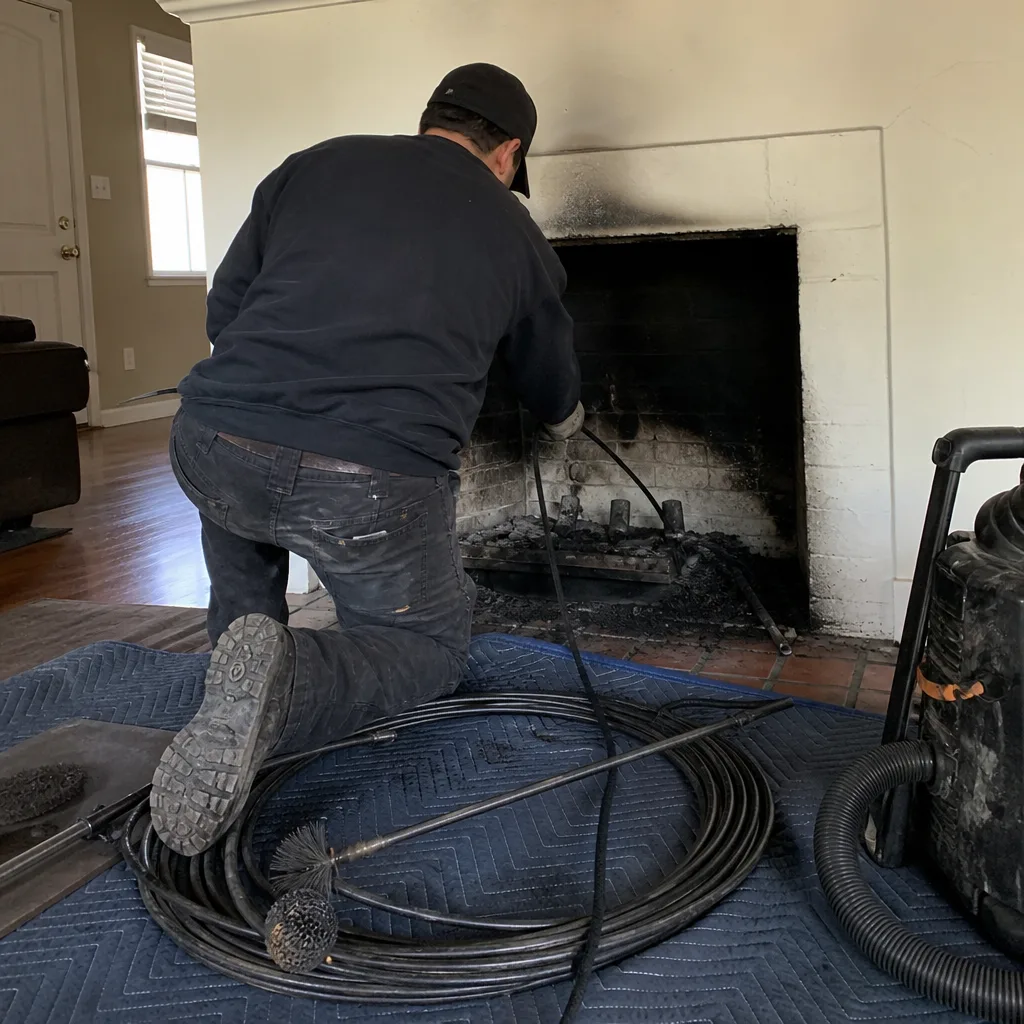 Before
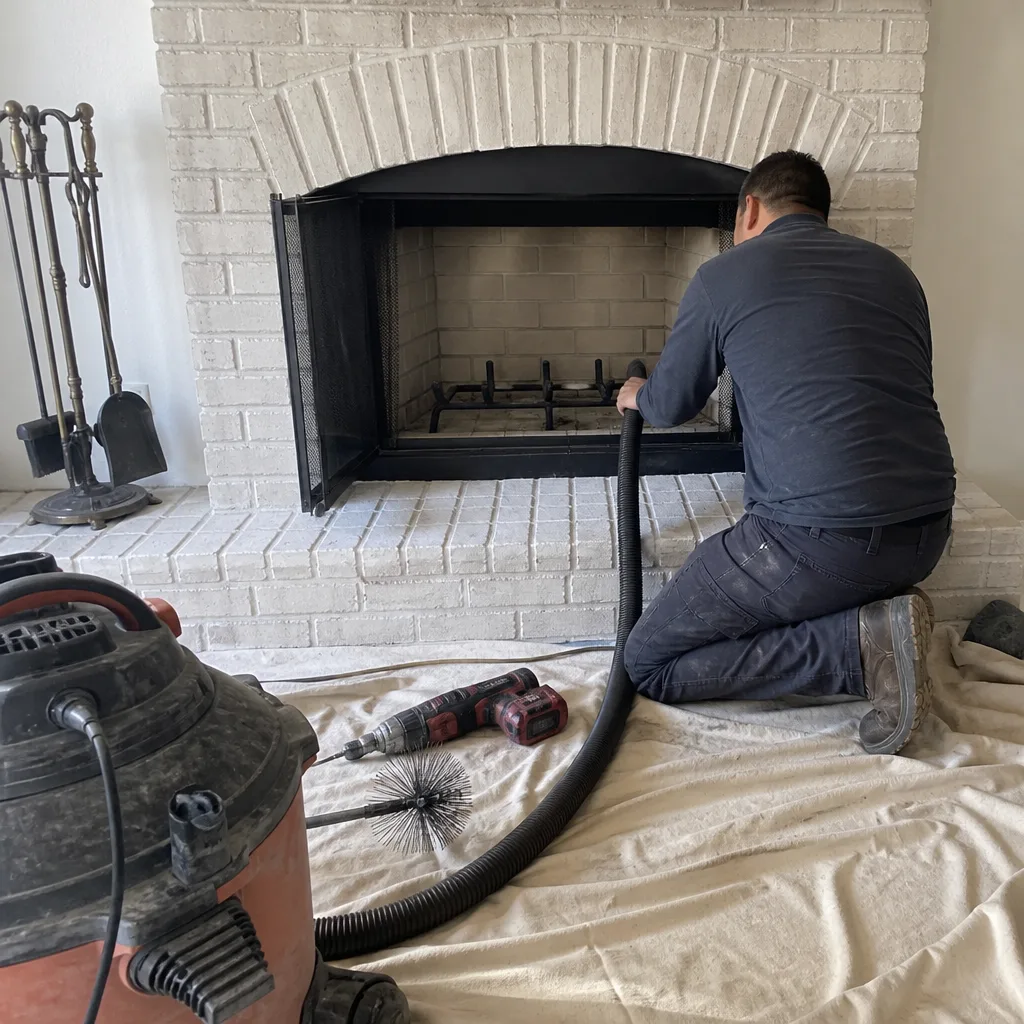 After