Last updated October 30, 2026
 Sweep & inspection
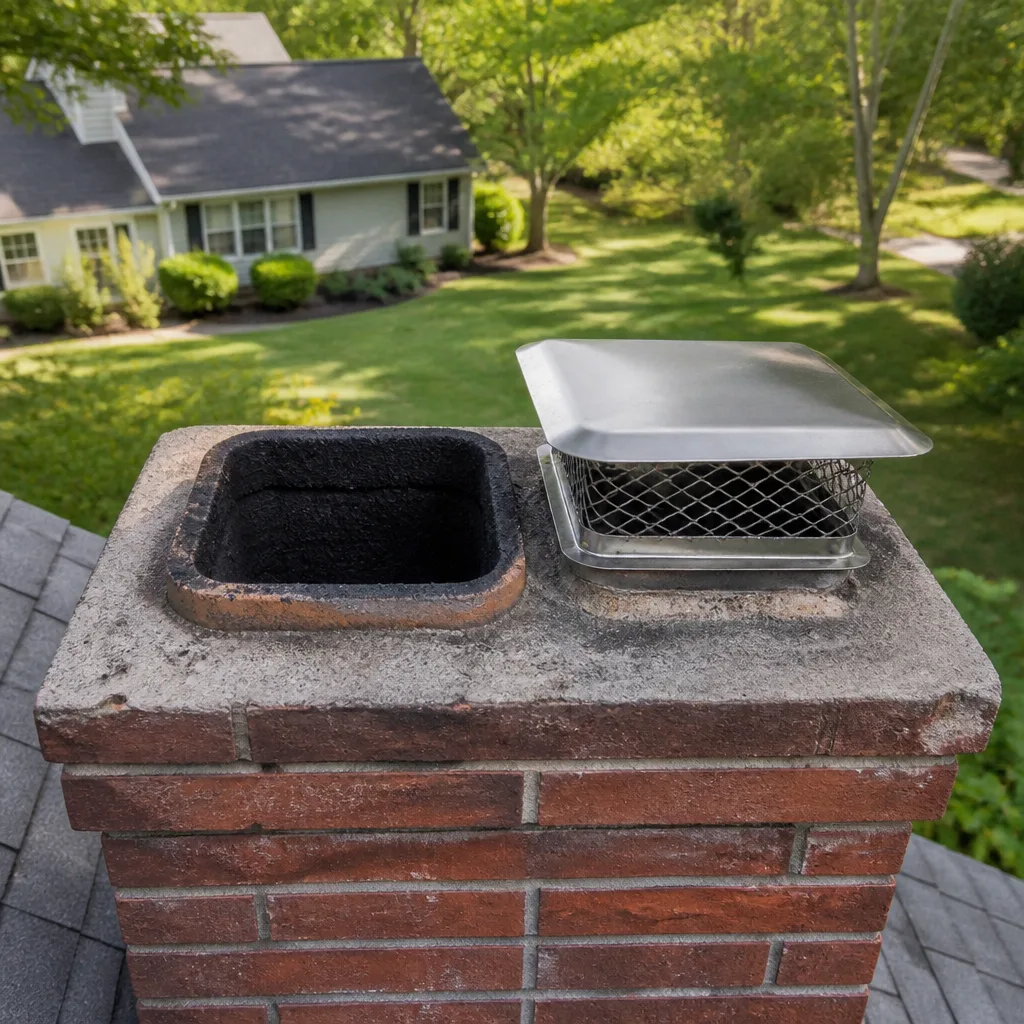
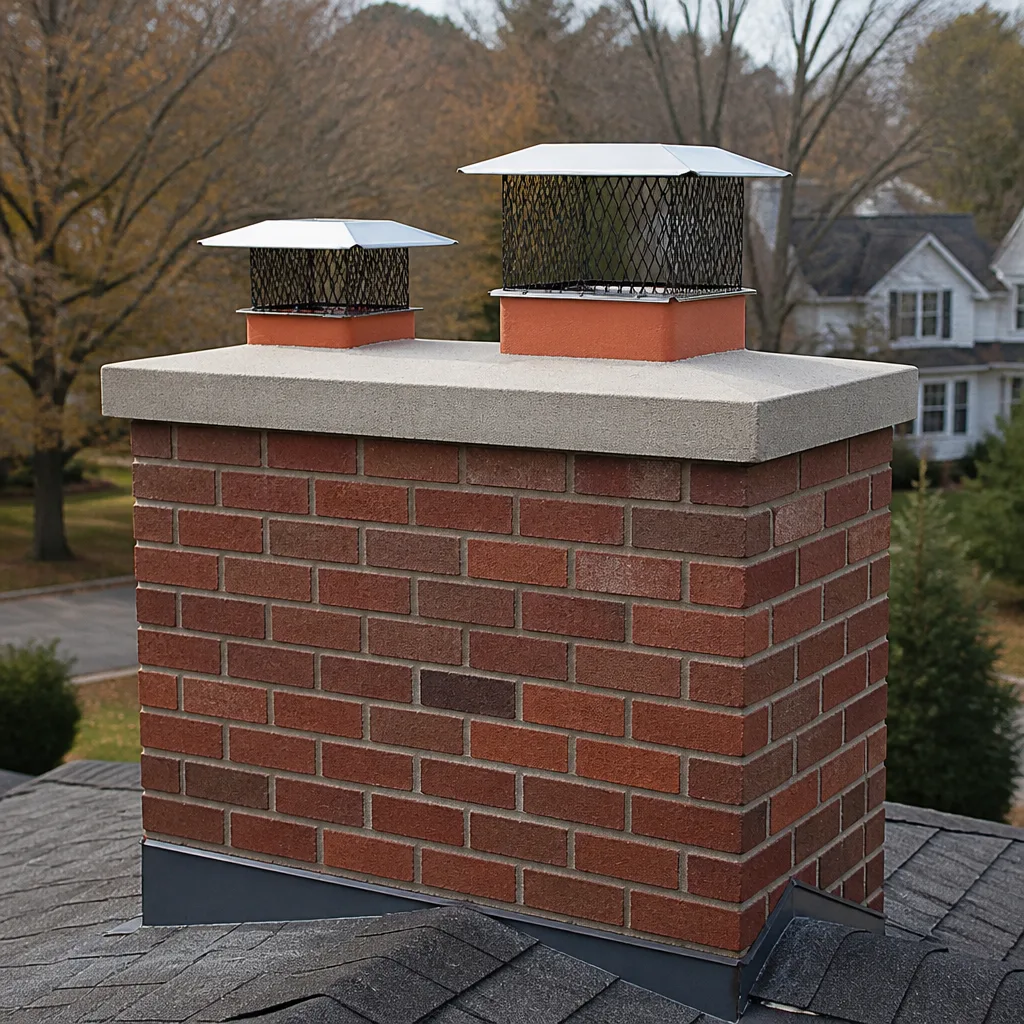 Caps & crowns
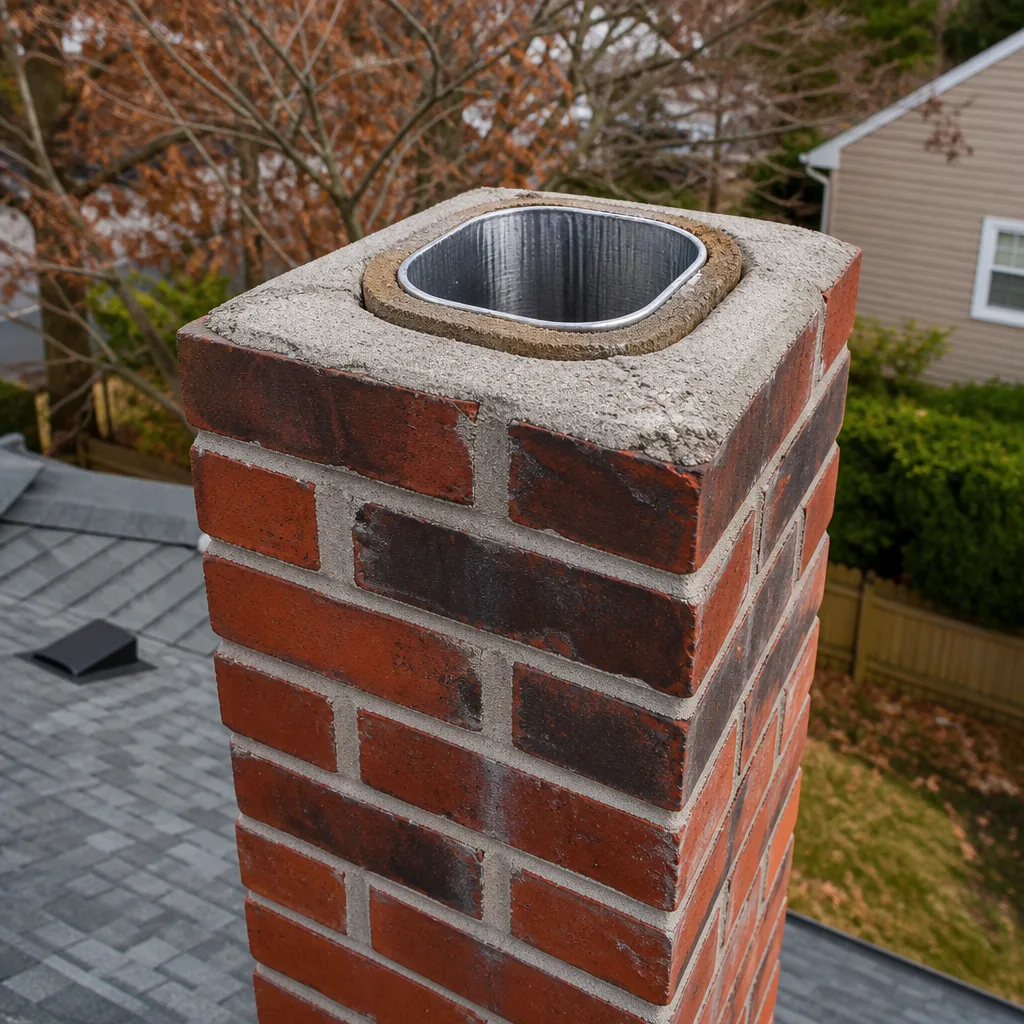 Flue relining
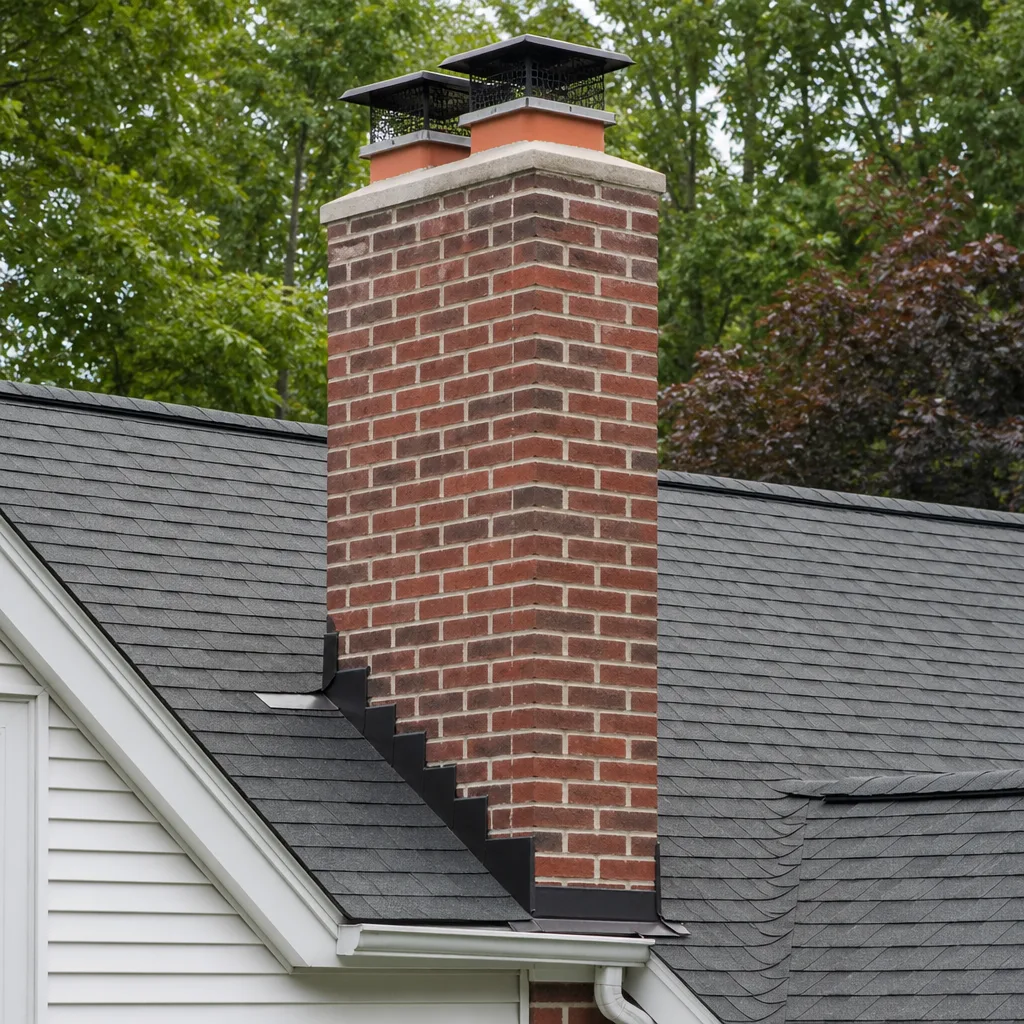 Masonry repair
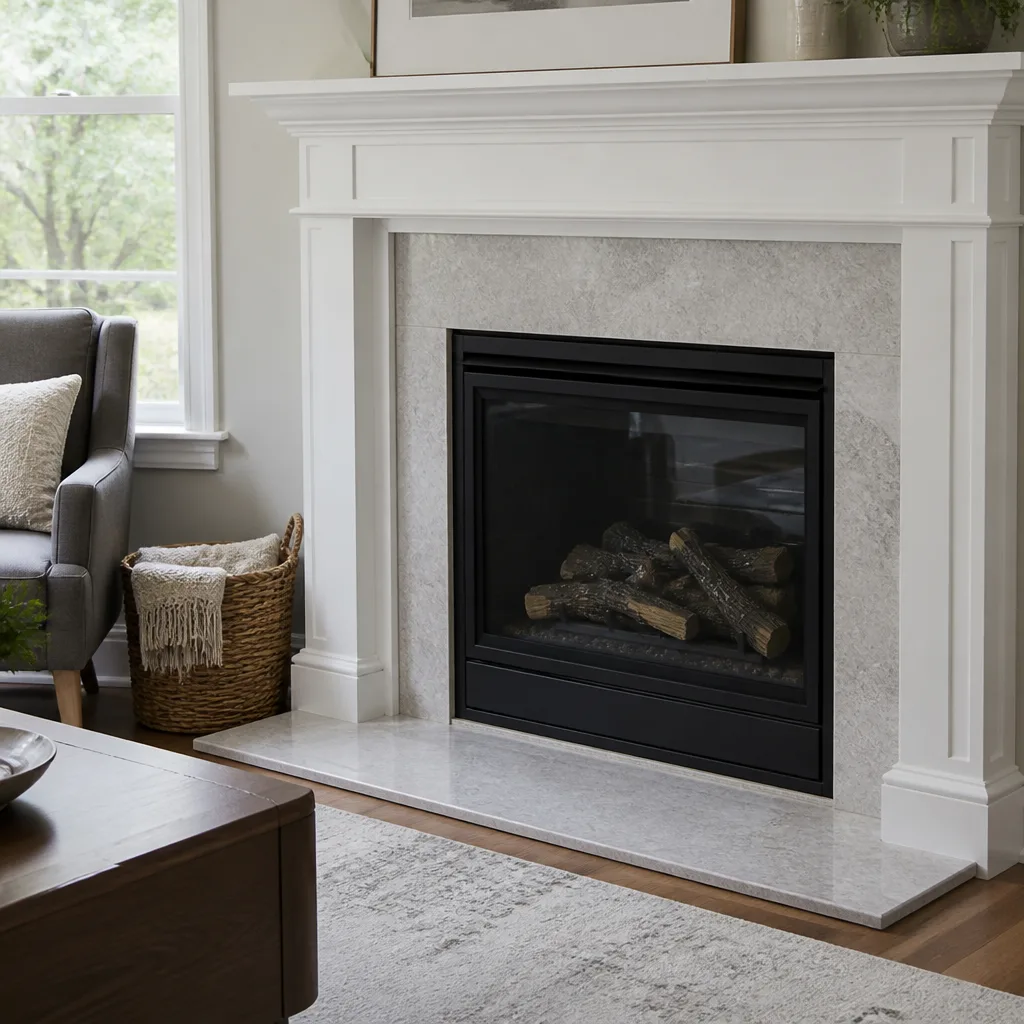 Gas fireplace service
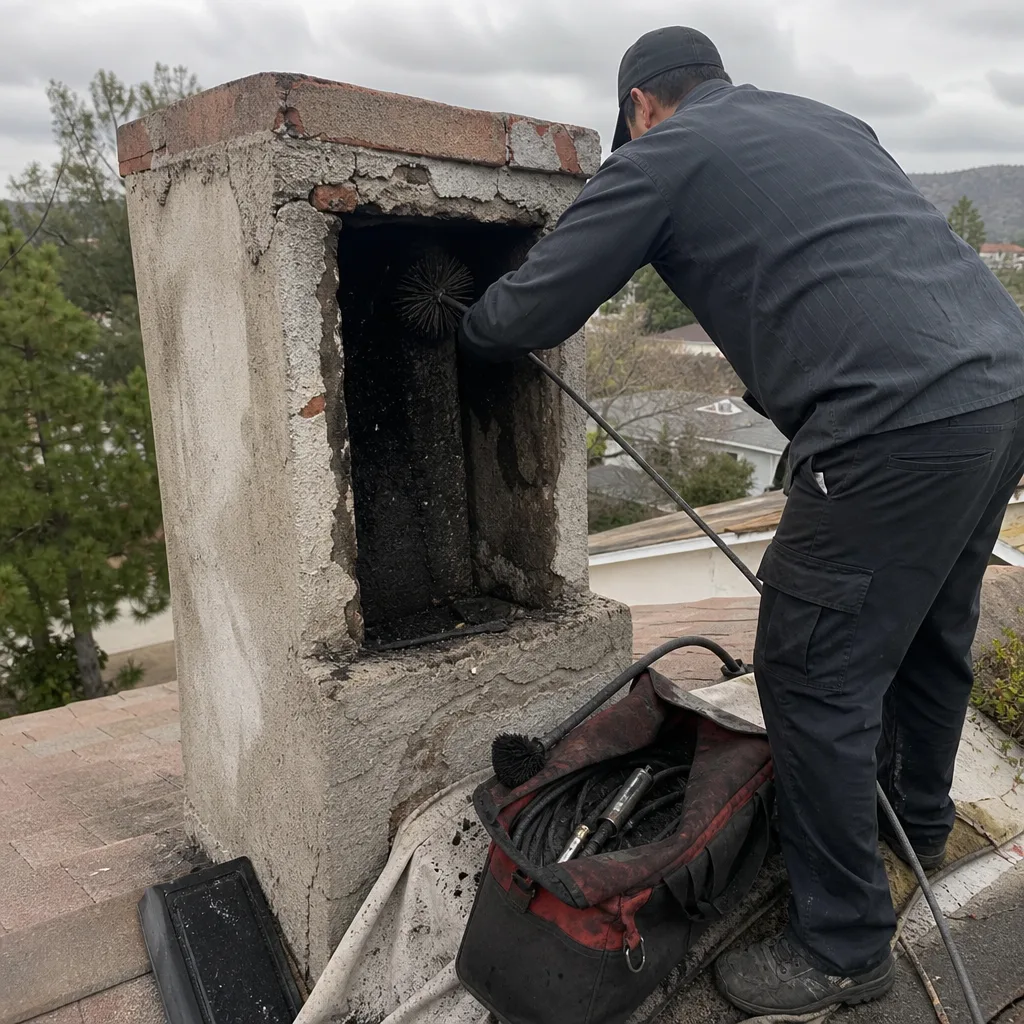
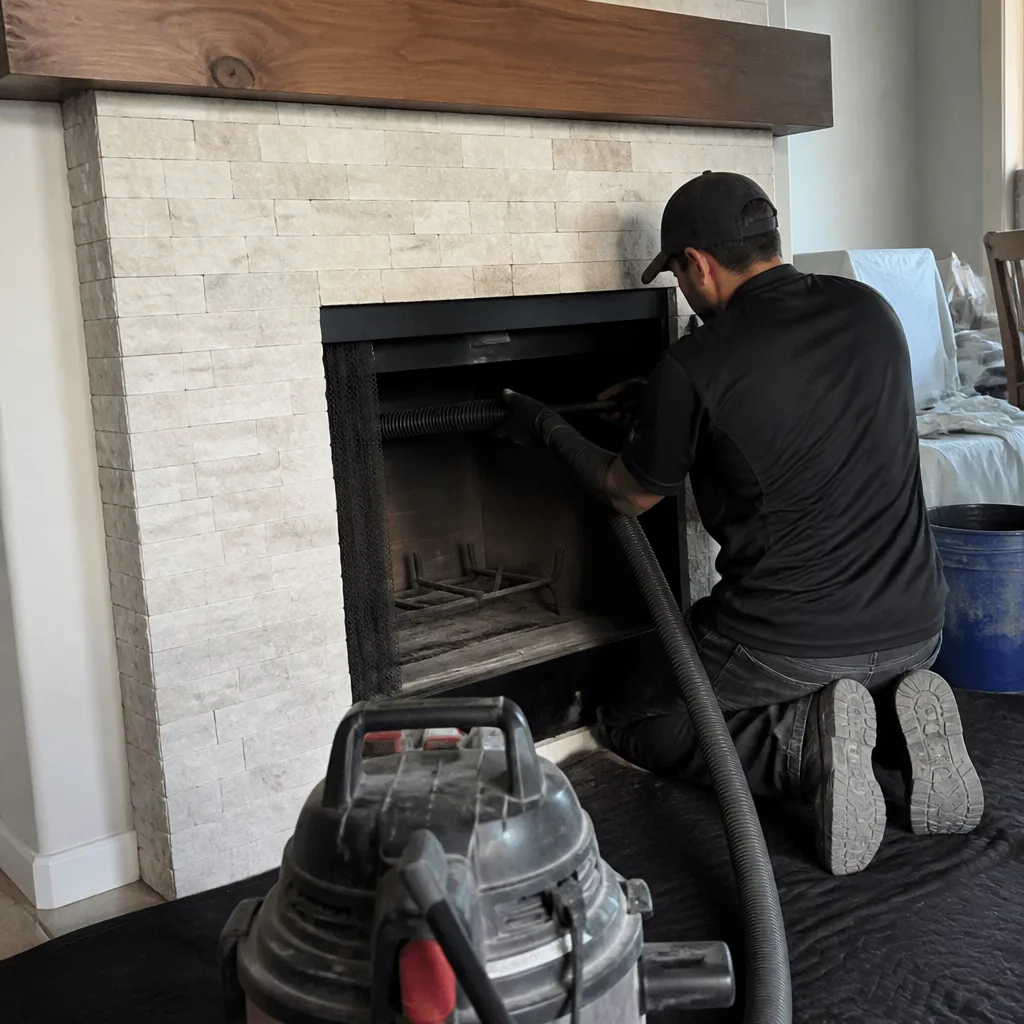
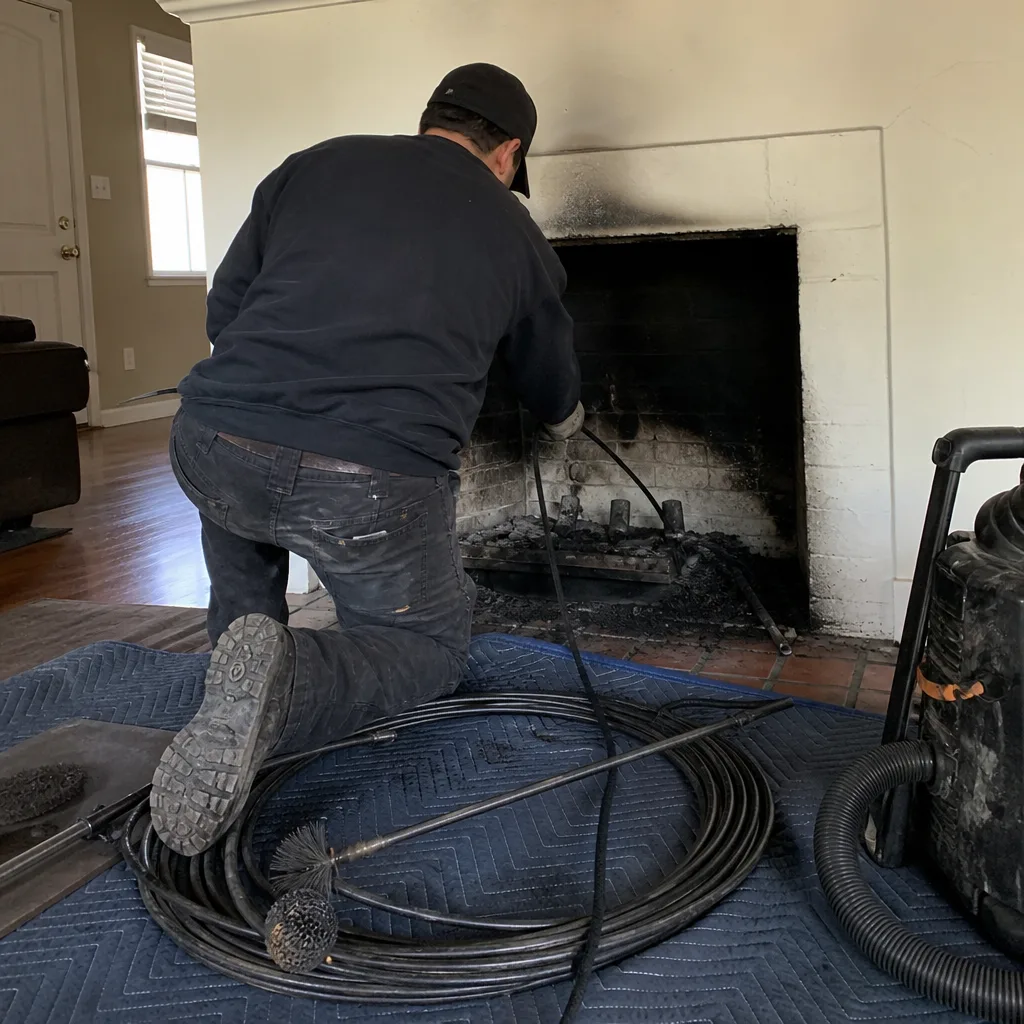
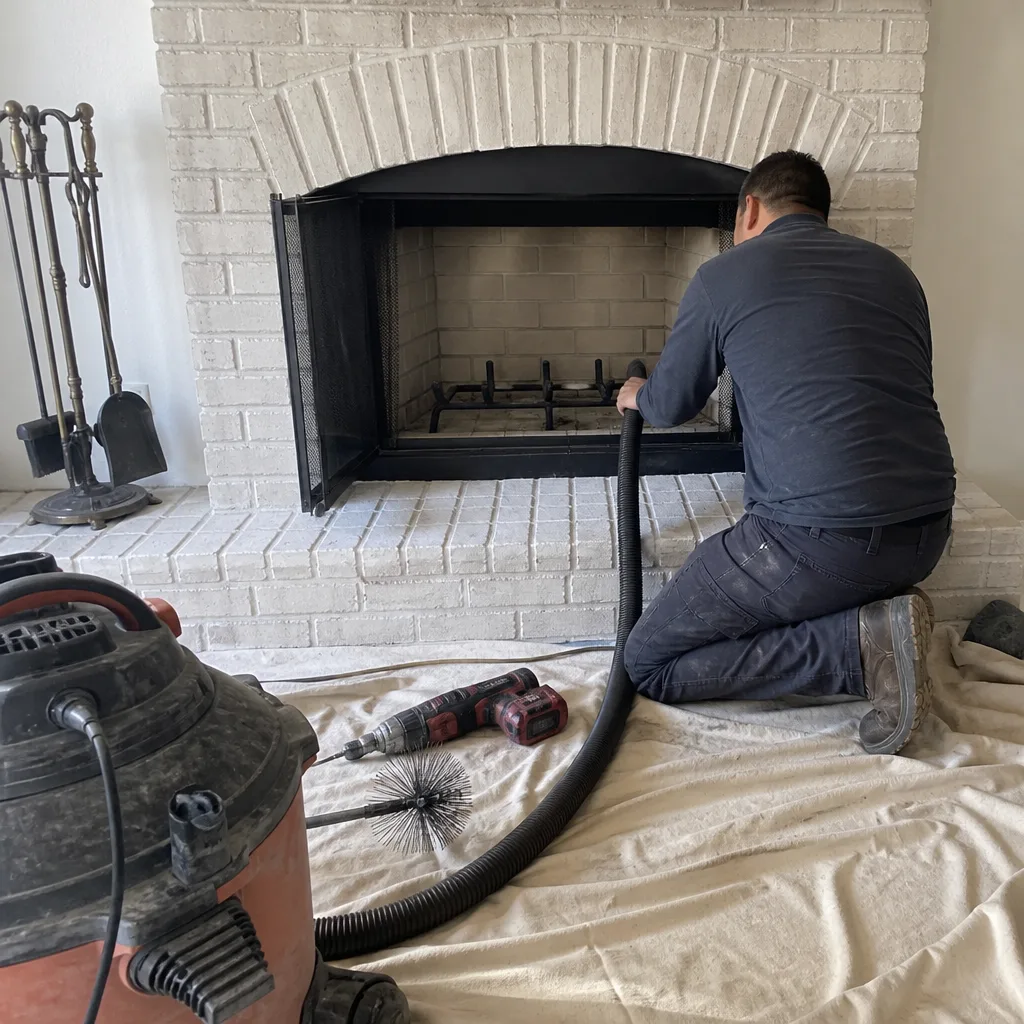
Level 1 sweep and inspection to the NFPA 211 annual standard - flue, crown, cap, and flashing checked and photographed
Chimney sweep logs do not sweep chimneys. They loosen some creosote - which then falls where a brush and vacuum still have to collect it.
Choosing the Right Chimney Cleaning Brand: A Buyer’s Guide for Glendale
A stainless steel chimney cap and a cheap galvanized substitute look nearly identical on installation day. But in Glendale’s coastal-adjacent air chemistry, the galvanized version typically shows failure-level corrosion within 3 to 5 years while the 304 stainless cap keeps shedding water for two decades or more. This guide explains the brand landscape behind chimney caps, liners, sealants, and creosote treatment products so you can read a contractor’s material spec with confidence. You’ll learn which manufacturers dominate each category, what the alloy numbers actually mean, how warranty coverage works, and where Glendale’s specific environment changes the math on material selection.
Quick Answer
The right chimney cleaning and repair brand depends on the component: HeatShield or Gelco for flue resurfacing, Olympia Chimney or Copperfield for caps and ancillary stainless work, DuraFlex for flexible liner systems in offset flues, and Famco for termination and connector components. In Glendale, look for 304 stainless minimum on exposed metal, factory-certified applicator credentials on resurfacing products, and written brand disclosure on every quote.
Styles & brands we work with
Table of Contents
- The Brand Landscape: Who Makes What and Why It Matters
- The Stainless Steel Question: 304 vs. 316 in Glendale
- HeatShield, Gelco, and the Resurfacing Category Explained
- DuraFlex and the Flexible Liner Decision
- How to Read a Contractor’s Material Spec
- What Manufacturer Warranties Actually Cover
- Glendale-Specific Factors That Change the Spec
- Common Mistakes to Avoid
The Brand Landscape: Who Makes What and Why It Matters
Chimney products split into distinct categories, and each has its own set of manufacturers that professional contractors actually specify by name. Generic parts exist in every category, but the difference between a named brand and an unbranded equivalent is usually the difference between a documented material standard and an optimistic guess.
Chimney caps and terminations: Olympia Chimney and Copperfield lead this category in the professional trade. Olympia manufactures a broad line of stainless caps, chase covers, and termination kits with consistent gauge and weld quality across product runs. Copperfield is known for specialty cap configurations and heavier-gauge stainless work. Both publish material specs that a contractor can cite on a quote, which matters when you’re comparing bids.
Flexible liner systems: DuraFlex dominates the flexible stainless liner conversation among chimney professionals. Its 316Ti alloy option and published flex-cycle testing separate it from commodity liner stock. For older Glendale homes with offset or corbeled flues, a flexible liner is often the only retrofit path that avoids opening masonry, and the brand on the box tells you whether the liner will survive the pull.
Flue resurfacing and sealant systems: HeatShield and Gelco own this category. Both are specialized ceramic-based resurfacing products applied as a coating to restore a compromised clay liner. They are categorically different from generic patching compound, and we get into why below.
Termination and connector components: Famco makes termination caps, flashings, and connector parts used across gas and wood venting applications. The brand matters less for glamour and more for code-recognized configuration: when a contractor pulls a Famco part number, the reviewer knows exactly what’s going on the chimney.
Our position at Glendale Chimney Sweep is straightforward: we spec the same brands professional chimney contractors rely on. That means DuraFlex, HeatShield, Gelco, Olympia Chimney, Famco, and Copperfield. Professional-grade materials, and we name the brands because we stand behind them.
The Stainless Steel Question: 304 vs. 316 in Glendale
Every exposed chimney component living on a Glendale roof faces a specific set of environmental stressors. The city sits close enough to the Pacific that marine air influence is real but not severe. It’s not a salt-spray oceanfront condition, but it’s also not the dry inland air of Bakersfield.
Here is what the alloy grades actually mean for a chimney cap or liner.
- 304 stainless: The industry baseline for chimney components. 18% chromium, 8% nickel. Handles rain, snow, and standard urban air chemistry for 15-20 years in most exposed applications. In Glendale, 304 is adequate for caps, chase covers, and exterior terminations under normal exposure.
- 316 stainless: Adds 2-3% molybdenum, which materially increases resistance to chloride pitting. This is the alloy to specify for any home within a mile or two of the coast or in a microclimate with persistent morning marine layer. For most Glendale addresses, 316 is over-spec, but for hillside homes with direct coastal air flow through the Verdugo corridor, it’s a legitimate upgrade.
- 316Ti (titanium-stabilized): Used in DuraFlex’s premium liner stock. The titanium addition prevents carbide precipitation at weld points and extends fatigue life during flexing. This matters for liners that get pulled through offsets, not for static caps.
- Galvanized steel: Zinc-coated carbon steel. The zinc layer sacrifices itself to protect the base steel, which works until it doesn’t. In Glendale’s wet-dry seasonal cycling and coastal-adjacent air chemistry, exposed galvanized typically shows rust bloom within 3-5 years. At that point the protective layer is gone and the steel is on borrowed time.
Reading a contractor’s quote, you want to see the words “304 stainless” or “316 stainless” next to every exposed chimney component. If the quote just says “stainless cap” without a grade, ask. If it says “galvanized,” that’s a material cost reduction at your expense, not a value.
HeatShield, Gelco, and the Resurfacing Category Explained
When a chimney camera inspection reveals cracked, spalled, or gapped clay flue tiles, a homeowner in Glendale hears one of three things. A sweep-only company says “you need a new liner” because they don’t have a better answer. A masonry generalist says “we can patch that” and reaches for something in a bucket. A properly equipped chimney contractor says “this is a candidate for flue resurfacing” and specifies a documented system.
HeatShield is a ceramic-modified resurfacing system applied as a pumped coating to the interior of the flue. It was developed specifically for the chimney industry, and its manufacturers certify applicators through a training process. The material is rated for the combustion environment inside a flue, which is not a passive place: acidic condensate, thermal cycling, and particulate abrasion all work against anything you put in there.
Gelco operates in the same category with a different formulation and application profile. Both products share a critical characteristic: they are engineered flue restoration systems, not patching compounds. The distinction is not marketing.
A generic refractory patch might fill a crack for a season or two. A HeatShield or Gelco application is designed to create a continuous, insulated, structurally stable surface inside the existing flue. In many cases, resurfacing restores a deteriorating clay liner to serviceable condition without the cost and demolition of a full relining or chimney rebuild. For the right chimney, that is the difference between a four-figure repair and a five-figure rebuild.
The catch is applicator qualification. HeatShield, specifically, is sold only through certified applicators. A contractor who quotes HeatShield by name and cannot produce an applicator credential is either misrepresenting the product or buying gray-market material. Gelco has its own qualification track. When a Glendale homeowner hears “we can resurface that flue,” the right follow-up is “with what system, and are you certified to apply it?”
Our Chimney Repair in Glendale service includes camera inspection before any resurfacing recommendation, and HeatShield capability is part of our repair arsenal. Chimney repair, not just chimney sweeping. We fix what we find, and we show you the camera footage before we recommend a dollar of work.
DuraFlex and the Flexible Liner Decision
Older Glendale homes present a particular challenge: many were built before modern liner standards, and decades of thermal cycling, moisture, and occasional chimney fires have left clay flues compromised. When a flue is beyond resurfacing, the repair path is a new liner. And in an offset or irregular flue, that means flexible stainless.
DuraFlex is a flexible stainless liner system manufactured in the United States and specified by chimney professionals for exactly these retrofit conditions. Here is what separates it from commodity liner stock.
- Alloy transparency: DuraFlex publishes its alloy grades and offers 316Ti for high-exposure or high-efficiency appliance applications. You know what you’re getting, which is more than you can say for a lot of liner stock sold by the foot.
- Flex and fatigue behavior: A liner installed in an offset flue flexes constantly through heating cycles. Cheap liner stock can develop stress cracks at the corrugation points. DuraFlex’s published testing addresses this specifically.
- Good system components: A liner is only as good as its termination, connector, and tee components. DuraFlex manufactures the full system, which means parts compatibility is not an installer improvisation.
- Warranty structure: DuraFlex warranties are tied to documented installation by qualified contractors. More on this below.
The decision between resurfacing and relining is not one a homeowner can make from a driveway. It requires a camera inspection to see what the flue actually looks like from the inside. The right question for a Glendale homeowner to ask a contractor is not “do I need a liner” but “show me the camera footage and explain what’s on the screen.” The right contractor will do that before quoting anything.
How to Read a Contractor’s Material Spec
The moment a contractor hands you a written quote, you can learn more about them from the material line than from the total. Here is how to read that spec, step by step.
- Look for brand names and part numbers. A quote that says “chimney cap” without a manufacturer or model is a quote for whatever the contractor grabs off the truck. A quote that says “Olympia Chimney 316 stainless cap” or “DuraFlex 6-inch 316Ti liner” tells you exactly what you’re buying. Professional contractors spec brands because they want you to know what you’re paying for before you pay for it.
- Check the alloy grade on every stainless line item. If the quote says stainless but no grade, ask. 304 is the baseline. 316 is the upgrade. Galvanized is the red flag.
- Verify the product category matches the stated problem. If the diagnosis is a cracked clay liner and the quote includes no resurfacing or relining product, ask what the repair actually is. If you see a brand name you don’t recognize on a resurfacing line, ask for the manufacturer’s product data sheet.
- Confirm applicator certification on resurfacing products. HeatShield and Gelco quotes should be accompanied by some evidence of applicator standing. A certified applicator will tell you without hesitation. A contractor who deflects the question is telling you something useful.
- Watch for substitution language. Phrases like “or equivalent,” “similar product,” or “contractor’s choice” mean the contractor reserved the right to swap materials after the quote was accepted. The entire point of a material spec is that specific products are specified. Equivalent language erases that.
Warranty coverage is not a generic promise. It’s a contract between the manufacturer, the installer, and the homeowner, and the terms are specific. Here is what actually happens with warranties on professional chimney products.
Manufacturer warranties on chimney caps, liners, and resurfacing systems cover manufacturing defects, not installation errors, weather damage, or neglect. A stainless cap with a 20-year warranty is not a 20-year promise that nothing will ever go wrong. It is a promise that the manufacturer will stand behind the material if it fails due to a defect in manufacture, provided it was installed according to spec.
Here is what voids a warranty on a professional-grade chimney product.
- Uncertified application: Most resurfacing warranties are valid only when the system is applied by a manufacturer-certified applicator. If a general contractor buys HeatShield material through an unapproved channel and applies it without certification, the manufacturer has no obligation under warranty. The homeowner is left holding an uninsured repair.
- Improper installation: A liner that’s kinked during the pull or a cap that’s mounted with the wrong fasteners will fail in ways that the manufacturer can identify as installation-related.
- Application outside the product’s rated range: A 304 cap installed within splash zone of a saltwater marine environment is outside its recommended application. The manufacturer will call that an application error, not a defect.
- Modification or incompatible components: Mixing product families, substituting generic termination pieces, or field-modifying a listed component voids the listing, which voids the warranty.
- Lack of documentation: Many manufacturers require proof of purchase and installation records. If the contractor didn’t provide documentation, the homeowner can’t initiate a claim.
- Accepting a quote without brand names. A material spec that says “quality parts” or “stainless cap” tells you nothing about what you’re buying. Insist on manufacturer names and part numbers. A professional contractor writes them down.
- Choosing galvanized based on price. A galvanized cap costs less on invoice day but typically requires replacement within 3-5 years in Glendale’s wet-dry coastal-adjacent cycling. By the second replacement, you’ve paid 304 stainless money for galvanized service life.
- Treating resurfacing and patching as the same thing. A bucket of refractory patch from a big-box store is not HeatShield or Gelco. These categories address different problems at different levels of engineering. If a contractor offers both at the same price, walk away.
- Skipping the camera inspection. In our experience, we regularly find flue conditions on camera that a visual inspection from the roof could never reveal. Any liner recommendation made without camera evidence is a guess, and guesses are expensive.
- Assuming all stainless is one material. The reading on the box matters. 304, 316, and 316Ti are different alloys for different exposures. Ask for the grade, not the word.
- Ignoring the certification question on resurfacing products. Manufacturer warranties on HeatShield and Gelco are tied to certified application. If the contractor cannot demonstrate standing with the manufacturer, the warranty is effectively worthless.
- Deferring chimney maintenance because the fireplace still draws. A chimney that draws is not the same as a chimney that’s safe. We have found compromised flues in chimneys that were still “working fine” according to the homeowner. Your Dryer Vent Cleaning in Glendale and chimney safety are connected: both are vented combustion systems that need documented maintenance on a schedule.
Glendale-Specific Factors That Change the Spec
Glendale is not a generic climate. The city’s position at the eastern end of the San Fernando Valley, tucked against the Verdugo Mountains, creates specific conditions that bear directly on chimney material selection.
Coastal-adjacent air chemistry: Glendale sits roughly 15-20 miles from the Pacific, which is far enough that oceanfront chloride loading is not the primary concern, but close enough that marine influence reaches the hillside microclimates. Homes in the upper elevations of Glendale, particularly north of the 134 toward the Verdugo range, get more persistent marine layer in the morning hours. That marine layer is not salt spray, but it is chronically humid air that accelerates corrosion on under-spec metal.
Seasonal wet-dry cycling: Southern California’s Mediterranean climate means chimneys in Glendale go from months of zero rain to a few intense winter storm cycles. That wet-dry cycling is harder on exposed chimney components than consistent precipitation because it creates repeated cycles of moisture ingress and evaporation, which drives corrosion and masonry spalling.
Fireplace usage patterns: Glendale’s relatively mild winters mean most wood-burning fireplaces are used seasonally and intermittently rather than as primary heat sources. Intermittent use creates a specific creosote profile: lighter buildup overall but with hard, glazed deposits where burning has been incomplete. The creosote treatment products that work on a wood stove in a cold climate may not be the right specification for a Glendale fireplace; see The Complete Guide to Chimney Cleaning in Glendale for local-specific guidance.
Older housing stock: A meaningful share of Glendale’s residential building stock dates to the 1920s through the 1950s, which means clay tile liners that have been in service since before many of the current code standards existed. These chimneys are the ones most likely to present with cracked tiles, missing mortar joints, and flues that are not sized for modern appliance requirements. This is where the resurfacing versus relining conversation becomes most relevant.
Hillside construction: Homes built into the Verdugo foothills often have unusual chimney configurations: offset flues, exterior chimneys with full weather exposure, and construction details that complicate access. These are the chimneys where flexible liner systems and properly specified stainless components matter most.
For a homeowner in Glendale, these factors argue for one thing above all: a contractor who inspects with a camera, shows you what the flue actually looks like, and specifies materials by name. A Chimney Sweep in Glendale who does the job properly is not the same as a sweep. The difference shows up in the spec.
Common Mistakes to Avoid
See the difference
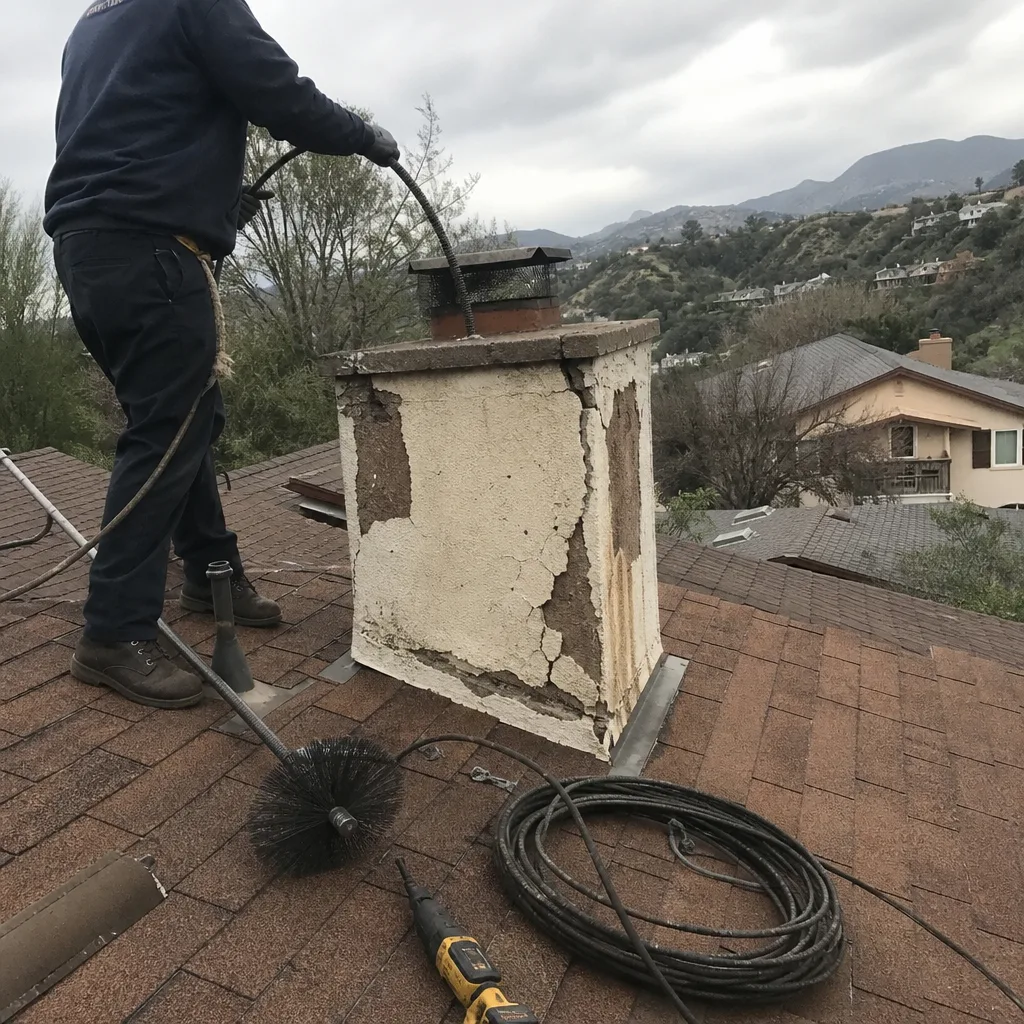 Before
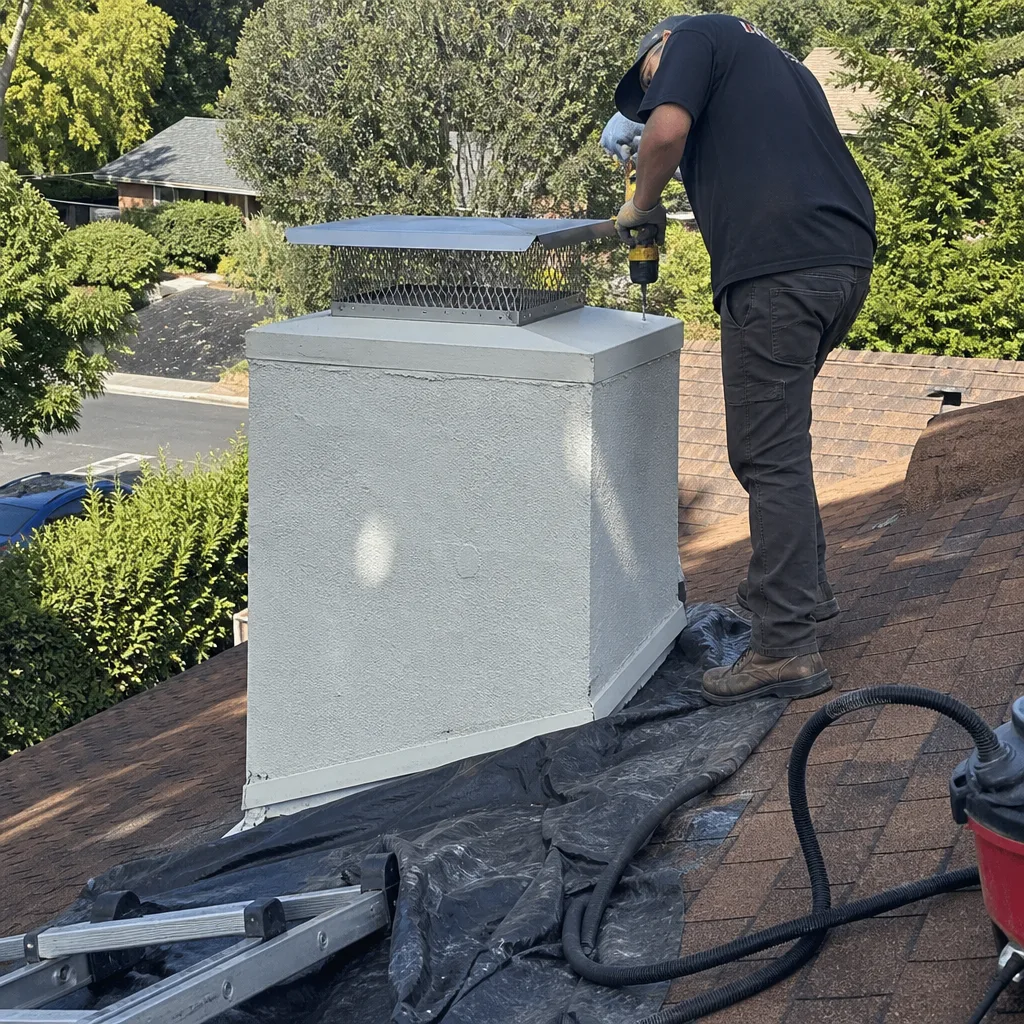 After
 Before
 After
 Before
 After
When to Call a Professional
Call a professional when you see flaking or spalling brick, when you can smell the previous fire days after burning, when a camera inspection reveals cracked liner tiles, or when you’re buying a home with a fireplace you’ve never had inspected. Call when the chimney has been through a chimney fire, even a small one. And call before burning season in Glendale, because that’s when availability tightens and when a deferred problem becomes an urgent one. Glendale Chimney Sweep offers free estimates in Glendale. Call (833) 467-6493.
Frequently Asked Questions
A chimney sweep in Glendale typically runs $150 to $350 depending on flue condition, access, and whether a camera inspection is included. The low end assumes a straightforward, regularly maintained chimney. The high end reflects heavy creosote buildup, difficult roof access, or the need for a camera report. The sweep price is not the number that matters most. The condition of the flue once the sweep is done is the number that matters. Call (833) 467-6493 for an exact quote. Estimates are free.
That depends entirely on what the camera shows. Cracked clay tiles with structural integrity remaining are often candidates for HeatShield or Gelco resurfacing, which restores the flue without a full relining tear-out. A flue that has collapsed, separated at multiple joints, or sustained fire damage usually needs replacement. The answer is never knowable without an interior camera inspection. Call (833) 467-6493 and we’ll show you the footage before we quote anything.
The National Fire Protection Association standard is that chimneys should be inspected at least annually and swept when creosote accumulation reaches 1/8 inch. In Glendale’s seasonal burning pattern, that usually means a sweep every 1 to 3 years depending on usage frequency and wood quality. Burn dry, seasoned wood and your intervals stretch. Burn wet wood or cardboard and they shrink. Call (833) 467-6493 to schedule a camera inspection and know exactly where you stand.
304 stainless is the industry standard for most exposed chimney components and performs well in standard Glendale exposure. 316 stainless adds molybdenum for enhanced chloride resistance and is the right spec for homes near the coast or in hillside microclimates with persistent marine layer. The cost difference is real but modest at cap scale. The service life difference in aggressive exposure is meaningful. Ask your contractor which alloy they’re quoting and why.
HeatShield was designed for exactly that scenario. It’s a ceramic-modified resurfacing system applied to restore a compromised clay liner, and its application is certified through the manufacturer. The material is rated for the combustion environment inside a flue, which is a much harsher place than people assume. The 70-year age of the chimney matters less than the current condition of the tiles, which a camera reveals.
Creosote accumulates, and creosote is combustible. A chimney fire can damage the flue lining, crack the masonry, and in a worst case spread to the structure. The annual sweep is not a ritual. It’s the maintenance protocol that keeps the chimney safe to operate. In Glendale, we see the most preventable damage in chimneys that were “just going to be done next year.” Call (833) 467-6493 to book yours.
The Bottom Line
The brand on a chimney component is a promise about material, testing, and warranty coverage. It’s not branding in the marketing sense. It’s a technical specification that determines whether that component survives Glendale’s wet-dry seasonal cycling, coastal-adjacent air chemistry, and the specific demands of a wood-burning flue. Insist on named brands, alloy grades, camera evidence, and certified application where the product requires it. The right contractor volunteers all of it. One call covers your fireplace, chimney, and dryer vent. Call (833) 467-6493 for a free estimate.
Written by the team at Glendale Chimney Sweep, serving Glendale since 2011.